

Ford Fusion Oxygen Sensor Guide for 2014-2020 Models
Learn how to spot a failing O2 sensor in your Fusion and choose the right aftermarket replacement to restore performance and fuel economy.
- A bad O2 sensor will trigger the check engine light and hurt your fuel economy.
- For the 2014-2020 Fusion, premium aftermarket brands like Bosch, Denso, and NGK/NTK are reliable alternatives to the more expensive OEM Motorcraft part.
- Always confirm if you need an upstream (Sensor 1) or downstream (Sensor 2) sensor, as they are not interchangeable.
- If you have a 2017-2019 Hybrid model with a P013A code, check for a software update TSB before replacing the sensor.
Is Your Ford Fusion Oxygen Sensor Failing?

A bad oxygen sensor can cause noticeable problems with your car. Since these sensors wear out from heat and exhaust gases, they typically need replacement every 60,000 to 100,000 miles. If you're experiencing any of the symptoms below, a faulty O2 sensor could be the culprit.
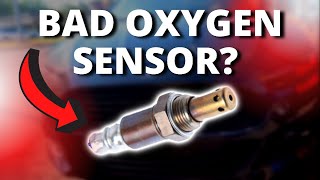
🎬 Watch: A detailed breakdown of common bad O2 sensor symptoms.Key Symptoms of a Bad O2 Sensor:
- Check Engine Light: This is the most common sign. A scanner will often show codes like P0131 (upstream sensor low voltage) or P0420 (catalyst efficiency), which can point to a bad sensor.
- Worse Fuel Economy: A failing sensor can't provide the right data, causing the engine to use more fuel than necessary. Your gas tank will seem to empty faster than usual.
- Rough Idle or Misfires: An incorrect air-fuel balance can make your engine run rough, shake, or misfire, especially when idling.
- Reduced Engine Power: Your Fusion might feel sluggish or have poor acceleration because the engine isn't burning fuel efficiently.
- Rotten Egg Smell: In some cases, a bad sensor can lead to a failing catalytic converter, which produces a sulfur or rotten egg smell from the exhaust.
Known Issue: TSB for Hybrid Models
Some 2017-2019 Fusion Hybrid and Energi models may show a check engine light with code P013A. According to Ford's Technical Service Bulletin (TSB) 19-2158, this may be caused by a software issue, not a failed sensor. A dealership may need to update the powertrain control module (PCM) software to fix the problem.
Choosing the Right Aftermarket Oxygen Sensor

When replacing an O2 sensor, you have a choice between OEM (Motorcraft) and various aftermarket brands. For the Ford Fusion, high-quality aftermarket sensors can offer the same performance as the original part for less money. It's critical to choose a direct-fit sensor with the correct plug to avoid cutting and splicing wires.
Brand Quality Tiers
- Premium Aftermarket (Bosch, Denso, NGK/NTK): These brands are often the original equipment manufacturers (OEM) for Ford and other carmakers. Bosch invented the modern oxygen sensor and is a leading supplier known for quality and performance. Denso and NGK (also known as NTK for sensors) are also highly trusted and provide OE-level accuracy. Choosing one of these brands is a safe bet for reliability and proper function.
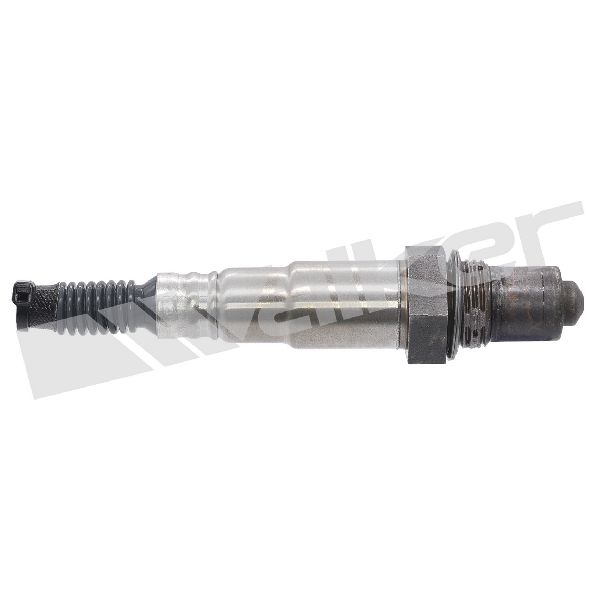
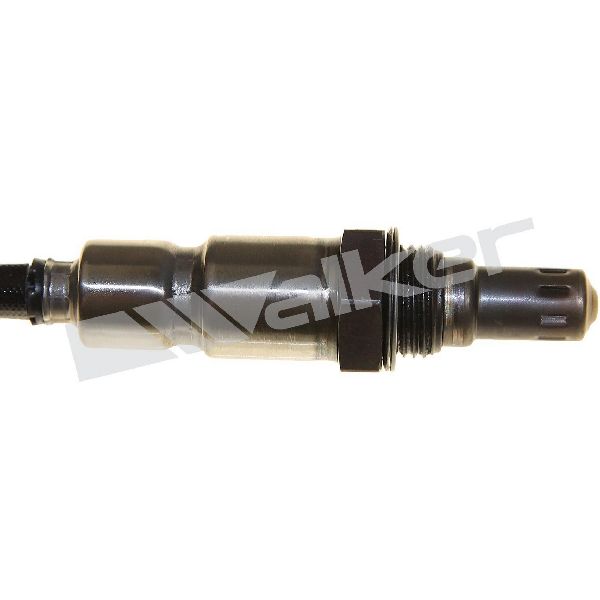
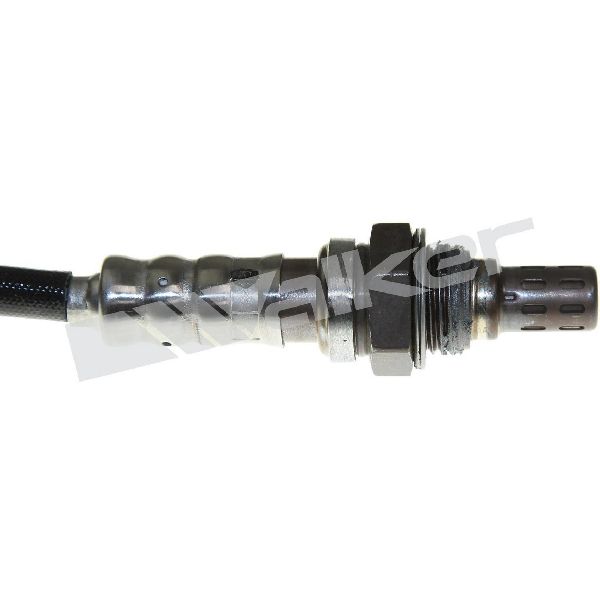
- Quality Mid-Range (Walker Products): Walker is a well-regarded aftermarket brand that balances affordability with performance. They are known for good fitment and are often recommended by mechanics. While some users report long life, others have experienced shorter lifespans compared to premium brands.
- Budget-Friendly (DriveWire): These brands offer a low-cost alternative. While they can work, their long-term durability and accuracy may not match that of premium or mid-range options. They can be a viable choice if budget is the primary concern.
Pro Tip: Upstream vs. Downstream
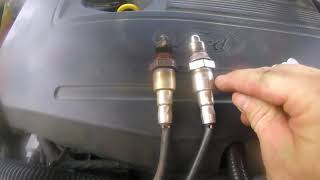
Upstream (Sensor 1) and downstream (Sensor 2) sensors are not interchangeable. They have different functions and often different wiring connectors. Always confirm the location of the failed sensor before ordering a replacement. Using the wrong one can cause new performance issues.
Cost of Replacing a Ford Fusion Oxygen Sensor (2014-2020)

| Part/Service | Estimated Cost |
|---|---|
| New OEM (Motorcraft) | $90 - $195 |
| New Aftermarket | $48 - $144 |
| Shop Labor | $85 - $155 |
Frequently Asked Questions

How many oxygen sensors does my Ford Fusion have?
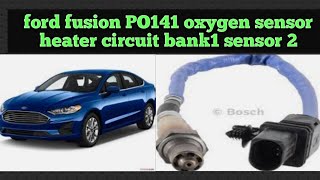
Most 2014-2020 Ford Fusions with 4-cylinder engines (1.5L, 2.0L, 2.5L) have two oxygen sensors: one upstream (before the catalytic converter) and one downstream (after the catalytic converter). They are often referred to as Bank 1 Sensor 1 and Bank 1 Sensor 2.
🎬 Watch: How to locate and replace the downstream oxygen sensor.Can I drive with a bad oxygen sensor?
While you can usually drive with a bad O2 sensor, it's not recommended for long. The engine will not run efficiently, leading to poor fuel economy and higher emissions. Over time, a bad upstream sensor can cause damage to the expensive catalytic converter.
Is replacing an O2 sensor a DIY job?
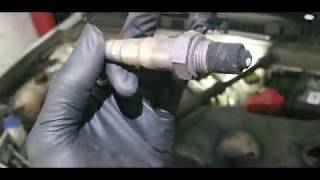
Yes, for many owners, this is a manageable DIY repair. The sensors are located on the exhaust system. The upstream sensor on the 2.5L engine, for example, is accessible from the top of the engine bay. 🎬 See this walkthrough for replacing the upstream sensor on a Fusion. You will need a special tool called an O2 sensor socket (often 22mm or 7/8") to remove and install the sensor without damaging the wire. Sometimes the old sensor can be very tight and may require penetrating oil or extra leverage to remove.
Should I replace both sensors at the same time?
It is often recommended to replace oxygen sensors in pairs, especially on higher-mileage vehicles. Since they wear out at a similar rate, if one has failed, the other may not be far behind. Replacing both can ensure the engine's fuel control system is operating with two equally responsive sensors.
Do I need to reset the check engine light after replacement?
After replacing the sensor, the check engine light may turn off on its own after a few drive cycles. However, it is best to use an OBD-II scanner to clear the stored trouble codes from the vehicle's computer.
Helpful Videos
Technical Specifications
OEM Part Numbers: HS7Z-9G444-B CJ5Z-9G444-B DS7Z-9F472-B
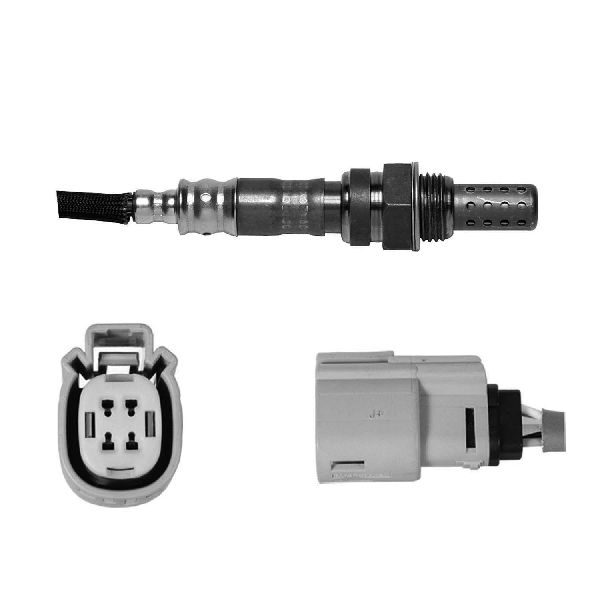
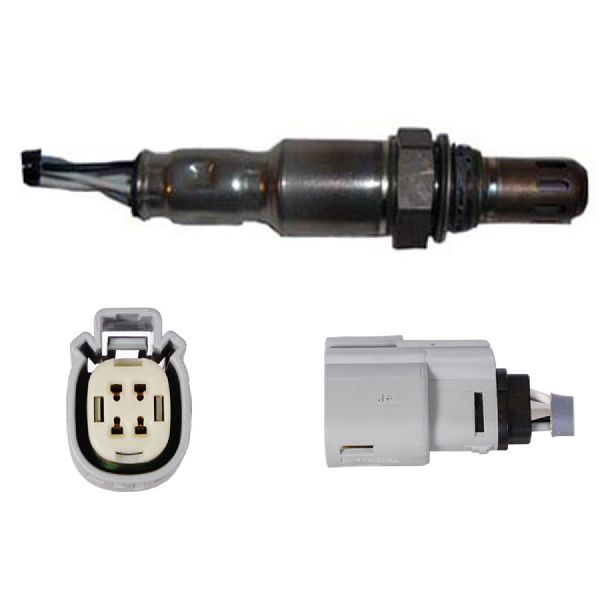
Most 2014-2020 Ford Fusions use a heated 4-wire or 5-wire oxygen sensor. The upstream sensor is often a wideband type, while the downstream is a switching type. Connectors and wire length are specific to the engine and sensor position (upstream/downstream).
We Have This Part in Stock


The information in this article is provided for general reference and educational purposes only. Vehicle specifications, procedures, and part compatibility can vary by production date, trim level, and region. Always consult your vehicle's factory service manual and verify part numbers before purchasing or performing repairs. Safety-critical components such as airbags, seat belts, and braking systems should be installed by a qualified professional.
- Ford Fusion:
- 🎬 Helpful Videos
- 🛍️ Shop This Part
- Is Your Ford Fusion Oxygen Sensor Failing?
- Key Symptoms of a Bad O2 Sensor:
- Known Issue: TSB for Hybrid Models
- Choosing the Right Aftermarket Oxygen Sensor
- Brand Quality Tiers
- Pro Tip: Upstream vs. Downstream
- Cost of Replacing a Ford Fusion Oxygen Sensor (2014-2020)
- Frequently Asked Questions
- 🎟️ Get 5% Off