

A Hyundai Elantra Owner's Guide to Engine Mount Replacement (2014-2020)
If your Elantra is shaking or making clunking noises, a failed engine mount is the likely cause.
- The passenger-side hydraulic engine mount is the most common failure point on 2014-2020 Elantras.
- Key symptoms are intense vibration at idle and clunking noises during acceleration.
- Visually inspect the passenger-side mount for fluid leaks or collapsed rubber.
- For an OEM feel, choose a 'hydraulic' aftermarket mount; cheaper solid rubber mounts will increase vibration.
The Most Common Failure on Your Elantra
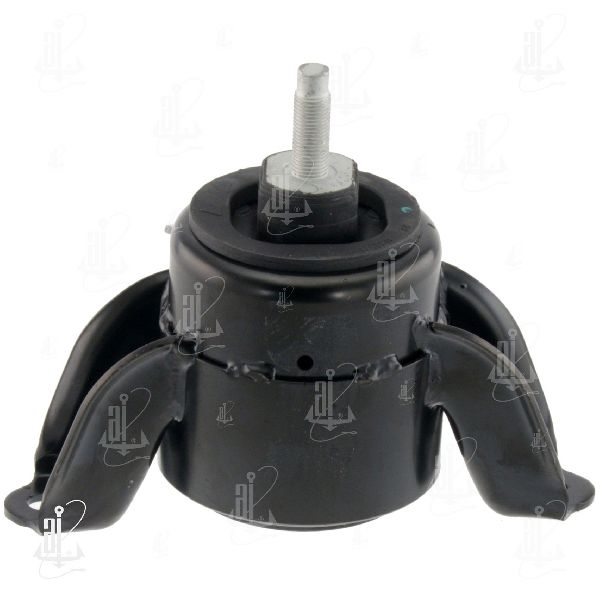
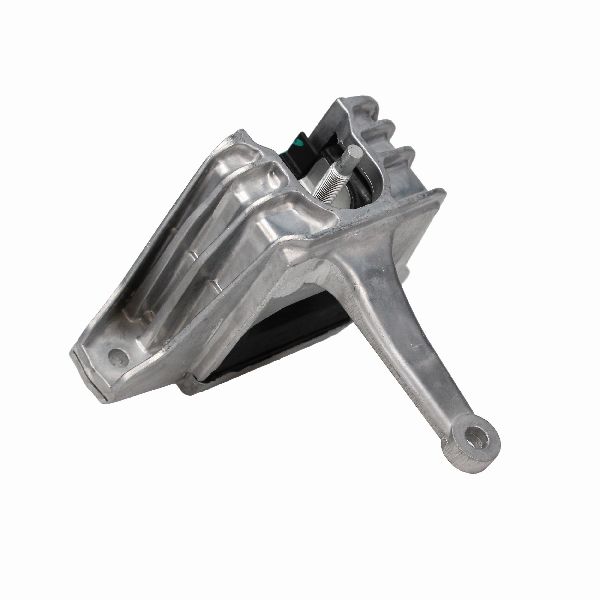
If you own a 2014-2020 Hyundai Elantra, the single most common engine mount to fail is the one on the passenger side (the right side). This isn't a rare issue; it's a well-known problem for this generation. This mount is a fluid-filled hydraulic design. Over time, the rubber cracks, the fluid leaks out, and the mount collapses. When this happens, the engine is no longer properly supported or dampened on that side, leading to a variety of noticeable symptoms.
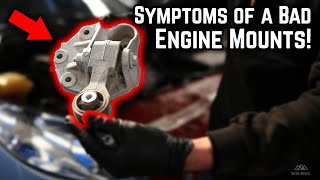
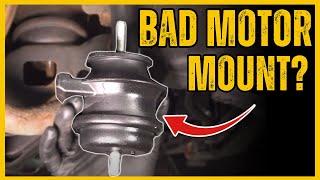
Symptoms of a Bad Engine Mount

A failing engine mount makes its presence known. You don't have to be a mechanic to notice something is wrong. Here are the tell-tale signs:
- Excessive Vibration: This is the number one symptom. You'll feel a strong vibration through the steering wheel, seats, and dashboard, especially when the car is idling at a stoplight with the transmission in Drive.
- Clunking or Thumping Noises: You may hear a loud 'clunk' or 'thud' from the engine bay when you accelerate, decelerate, or shift from Park into Drive or Reverse. This is the sound of the engine physically moving and hitting other components because the mount is no longer holding it tight.
- Visible Engine Movement: If you have a helper, you can see the engine move. With the hood open and the parking brake on, have someone put their foot on the brake and shift from Drive to Reverse. A bad mount will allow the engine to rock back and forth excessively.
- Visual Evidence: The failed passenger-side mount often leaves a dark, oily stain on the metal frame beneath it. This is the hydraulic fluid that has leaked out. You may also see that the rubber part of the mount is cracked or has collapsed, causing the engine to sag on that side.
Is it a Recall or TSB?
While this is a very common problem, there are no active recalls or widespread Technical Service Bulletins (TSBs) specifically for the engine mounts on the 2014-2020 Hyundai Elantra. The failure is typically handled as a standard wear-and-tear repair. However, the issue is so prevalent that many mechanics diagnose it immediately based on the symptoms.
Choosing the Right Aftermarket Engine Mount

Since the original OEM mount has a known weakness, going with an aftermarket part is a very popular choice. However, not all aftermarket mounts are created equal. The price often reflects the quality and design.
Brand Quality Tiers
For your Elantra, aftermarket mounts generally fall into three categories:
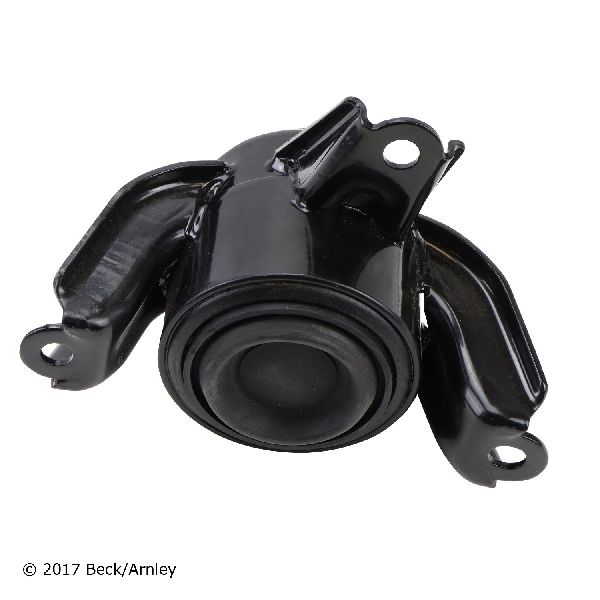
- Premium Aftermarket (e.g., Beck Arnley): These brands aim to be direct OE replacements, often matching the original hydraulic design. Beck Arnley is known for focusing on parts for imported vehicles and tries to match OE form and function. While generally seen as a higher-quality option, they can sometimes re-box parts from various sources, so quality can be inconsistent. This is often your best bet for restoring the original ride feel without the full OEM price.
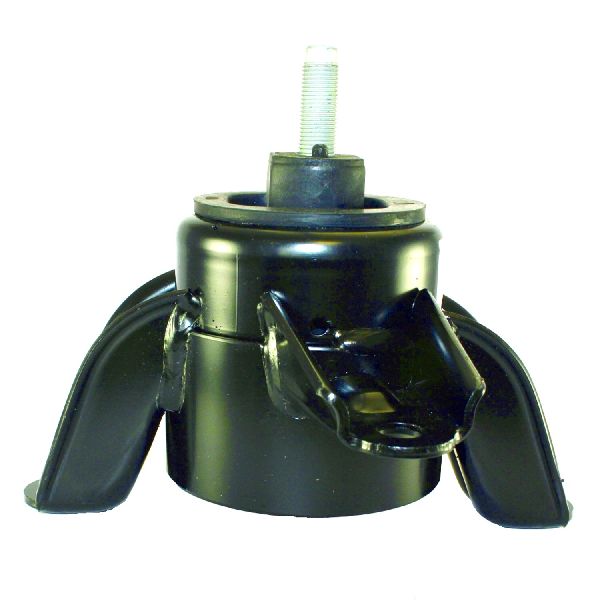
- Standard/Budget Aftermarket (e.g., Anchor, DEA, Westar): These are the most affordable options. To keep costs down, they often use a solid rubber design instead of the more complex and expensive hydraulic-filled design of the original. This is a critical trade-off. A solid rubber mount can cause a noticeable increase in vibration at idle compared to a new hydraulic mount. Reviews are very mixed; some owners find them acceptable for the price, while others report they fail quickly or cause too much vibration from day one.
- Performance (e.g., Whiteline): These mounts use stiff polyurethane instead of rubber. They are designed to eliminate engine movement for better throttle response and performance. The major downside is a significant increase in Noise, Vibration, and Harshness (NVH). This is a great choice for a modified or track car, but not recommended if you want a comfortable daily driver.
Pro Tip: Hydraulic vs. Solid Rubber
If your goal is to restore the smooth, quiet ride your Elantra had when it was new, you should look for a mount that is specifically listed as 'Hydraulic'. If a budget brand doesn't specify, it's likely a solid rubber mount. While cheaper, a solid mount will change how the car feels at idle.
Cost to Replace a Hyundai Elantra Engine Mount
The cost can vary, but here is a general breakdown. Note that most of the time, you will only need to replace the single failed passenger-side mount.
| Part / Service | Estimated Cost | Notes |
|---|---|---|
| New OEM Part | $175 - $250 | Highest quality and perfect fit, but the most expensive option. |
| New Aftermarket Part | $80 - $213 | Wide range. Higher prices are typically for hydraulic mounts (Beck Arnley), lower prices for solid rubber (Anchor, DEA). |
| Shop Labor | $80 - $120 | This is a relatively quick job for a professional, typically taking about one hour. |
| Total (Shop Repair) | $160 - $370 | Depends heavily on the brand of mount used. An OEM part could push the total closer to $500. |
Frequently Asked Questions

Can I replace just the one broken engine mount?
Yes. It is very common and perfectly acceptable to replace only the failed passenger-side mount. The other mounts are a different design and do not fail nearly as often. Replacing only the broken part is the most cost-effective repair.
Is it difficult to replace the engine mount myself?
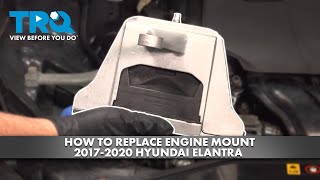
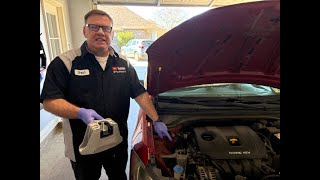
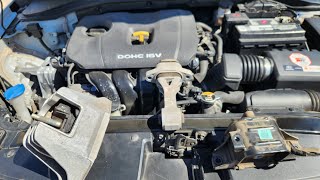
For the passenger-side mount, this is a DIY-friendly job for someone with basic tools and some mechanical experience. The process involves supporting the engine from below with a jack and a block of wood, unbolting the old mount from the frame and engine, and installing the new one. Several video guides are available online that walk through the process for the 2017-2020 Elantra.
Why did my original engine mount fail?
The hydraulic, fluid-filled design is made for comfort, but it's also a point of failure. Over thousands of cycles of heat and vibration, the rubber housing eventually cracks and degrades, causing the internal fluid to leak out and the mount to collapse. It's a common failure point for this specific part design.
Will my car feel different with an aftermarket mount?
It depends on the type you buy. A premium aftermarket hydraulic mount should feel identical to the original. A budget-friendly solid rubber mount will likely cause more noticeable vibration at idle than you remember, which some drivers find annoying. A performance polyurethane mount will make the car feel much more connected and responsive, but also significantly increase cabin vibration and noise.
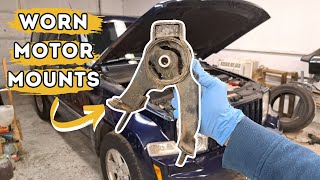
Helpful Videos

Technical Specifications
OEM Part Numbers: 21810-A5000 21810-F2000 21810-F3200
The primary mount that fails is the passenger side (right) engine support mount. For the 2014-2020 Hyundai Elantra, this is typically a fluid-filled hydraulic mount. Part numbers can vary by production date and specific trim (1.8L vs 2.0L engine, US vs Korea built). Always verify the correct part number with your vehicle's VIN before ordering.
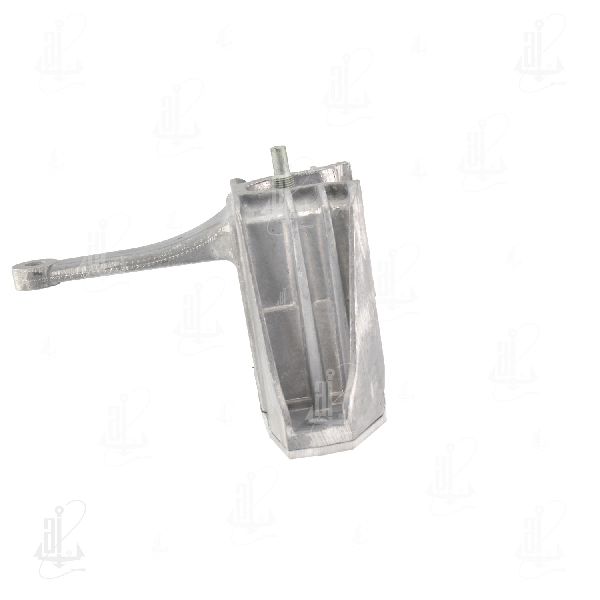
We Have This Part in Stock


The information in this article is provided for general reference and educational purposes only. Vehicle specifications, procedures, and part compatibility can vary by production date, trim level, and region. Always consult your vehicle's factory service manual and verify part numbers before purchasing or performing repairs. Safety-critical components such as airbags, seat belts, and braking systems should be installed by a qualified professional.
- Hyundai Elantra: