

Your Guide to the 2017-2020 Lincoln Continental Engine Mount
Feeling a new vibration in your luxury sedan? Your engine mounts might be the cause.
- For 2017-2018 models, check for TSB 21-2121 regarding leaking hydraulic mounts before replacing.
- The available aftermarket brand (Anchor) has a poor reputation for quality and longevity; OEM parts are strongly recommended for this vehicle.
- A bad mount is more than a noise issue; it can lead to damage to other engine bay components if ignored.
- Total replacement cost at a shop using an OEM part is estimated to be between $372 and $463.
Symptoms of a Failing Engine Mount in a Lincoln Continental
A bad engine mount on a 2017-2020 Continental will make its presence known. Your car was designed for a smooth, quiet ride, so new noises or vibrations are often the first clue. Pay attention to these signs:
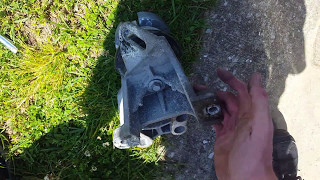
🎬 Watch: How to spot and locate a failing engine mount.- Excessive Vibration: This is the most common symptom. You might feel a strong vibration through the steering wheel, floor, or seats, especially when the car is idling in 'Drive' at a stoplight.
- Clunking or Thumping Noises: When you accelerate, brake, or put the car into gear, you might hear a distinct 'clunk' or 'thud' from the engine bay. This is the sound of the engine shifting and hitting other components because the mount is no longer holding it securely.
- Engine Appears Crooked: In severe cases, you can pop the hood and see that the engine is sagging or tilted to one side. This is a clear sign of a completely failed mount. 🎬 See a breakdown of common symptoms and typical replacement costs.
- Visible Fluid Leaks (On Some Models): Certain Continental models used fluid-filled (hydraulic) engine mounts. A dark, oily fluid leaking from the mount itself is a sure sign of failure.
Known Issue: TSB for Leaking Mounts on 2017-2018 Models
Lincoln issued a Technical Service Bulletin (TSB 21-2121) for some 2017-2018 Continental models equipped with the 2.7L and 3.0L engines. These vehicles used electronically controlled 'switchable' engine mounts that were prone to leaking hydraulic fluid. A leaking mount can cause engine vibration and trigger various diagnostic trouble codes (DTCs) like P0A14, P0A15, or P0A16. The official repair involves replacing the problematic switchable mounts with simpler, more durable non-switchable mounts and updating the car's computer (PCM). If you own a 2017-2018 model, it is crucial to determine if this TSB applies to your vehicle.
Choosing the Right Aftermarket Engine Mount
When replacing a failed engine mount, you have a choice between Original Equipment (OEM) from Lincoln and aftermarket parts. For the Continental, this choice is particularly important.
OEM vs. Aftermarket (Anchor)
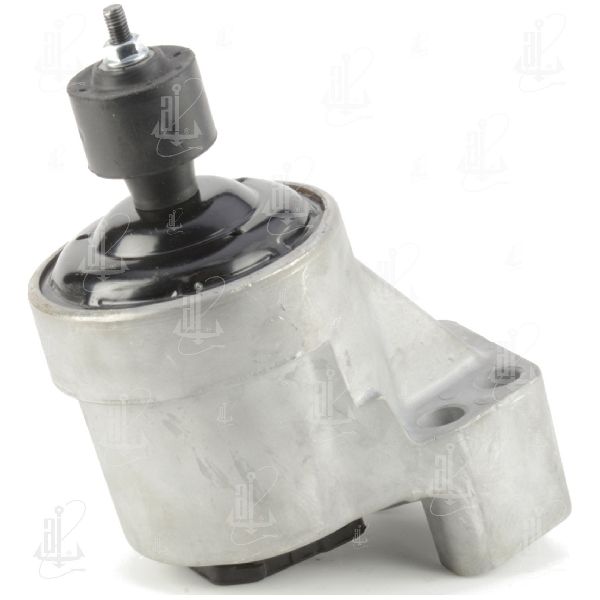
The original Lincoln mounts are designed specifically for the car's weight, power, and vibration characteristics. They are often hydraulic or electronically controlled to provide the best balance of performance and comfort. The main aftermarket brand available is Anchor Industries.
While the price of an aftermarket Anchor mount is tempting, owner experiences found on automotive forums are consistently negative. Common complaints include the use of harder rubber that transmits more vibration than the original broken part, premature failure within just a few months or thousand miles, and poor fitment requiring modification to install. For a luxury vehicle like the Continental, a part that increases vibration defeats the purpose of the repair.
Pro Tip: Given the widespread negative reviews for the budget aftermarket option and the critical role the mounts play in a Lincoln's ride quality, investing in an OEM part is strongly recommended. The higher initial cost is often justified by avoiding repeated labor costs and ensuring a proper, long-lasting repair that restores the car's original smoothness.
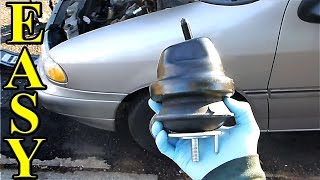
🎬 Watch this guide on how to replace a motor mount.| Part Type | Estimated Cost (Part Only) | Quality & Longevity Expectation |
|---|---|---|
| New OEM | $170 - $200 | Highest quality, designed for the vehicle, long service life. |
| New Aftermarket (Anchor) | $94.51 | Low initial cost, but widespread reports of poor quality, vibration issues, and short service life. |
Frequently Asked Questions (FAQ)
How many engine mounts does my Lincoln Continental have?
Cars typically have between two and four mounts to secure the engine and transmission. The 2017-2020 Continental uses a system of mounts, including a key front mount, a rear transmission mount, and side torque struts to control engine movement.
Is it safe to drive with a bad engine mount?
You can drive the vehicle for a short time, but it's not recommended. A completely failed mount can allow for excessive engine movement, which can potentially damage other components like hoses, wiring, and even the axles. It's best to get it inspected and repaired as soon as possible.
What is TSB 21-2121 and does it affect my car?
TSB 21-2121 is a notice from Lincoln about leaking hydraulic engine mounts on some 2017-2018 Continentals with the 2.7L or 3.0L V6 engines. If you have one of these cars and are experiencing vibration or see fluid leaks near the mounts, you should have a dealer or qualified shop check if this TSB applies and perform the recommended repair.
Why is the OEM mount so much more expensive?
OEM mounts, especially on luxury cars, are often complex parts. Some are hydraulic (fluid-filled) and/or electronically controlled to actively cancel out vibrations. This technology, combined with higher quality materials, results in a higher cost compared to a simple block of rubber in a metal frame, which is what many basic aftermarket mounts are.
Helpful Videos
Technical Specifications
OEM Part Numbers: DP5Z-6038-A
The 2017-2020 Lincoln Continental was available with a 3.7L V6, a 2.7L twin-turbo V6, or a 3.0L twin-turbo V6, with either FWD or AWD. Some models used advanced hydraulic or electronically switchable mounts to control vibration.
We Have This Part in Stock

The information in this article is provided for general reference and educational purposes only. Vehicle specifications, procedures, and part compatibility can vary by production date, trim level, and region. Always consult your vehicle's factory service manual and verify part numbers before purchasing or performing repairs. Safety-critical components such as airbags, seat belts, and braking systems should be installed by a qualified professional.
- Lincoln Continental: