

A Mechanic's Guide to the 2014-2021 GMC Canyon Universal Joint
Diagnose and fix driveshaft vibrations and clunks by choosing the right replacement U-joint.
- Vibrations at speed and clunking when shifting are the most common signs of a failing U-joint on your Canyon.
- Before replacing U-joints, check for a potential leaf spring noise covered by a GM Technical Service Bulletin (TSB).
- For best results, choose a non-greasable (sealed) U-joint from a quality brand like Spicer for OEM-level durability.
- Replacement is a difficult DIY job that requires a special press tool; if unsure, leave it to a professional.
Is Your GMC Canyon Vibrating or Clunking? It Could Be a U-Joint.
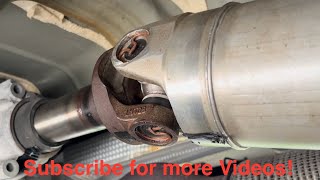
If you're noticing a new vibration that gets worse with speed, or a loud "clunk" when you shift into Drive or Reverse, a failing universal joint is a likely suspect. These are common wear items on any truck, and the GMC Canyon is no exception. As the needle bearings inside the U-joint wear out from use, they develop extra space. This looseness causes the clunking sounds and allows the driveshaft to become unbalanced, leading to vibrations.
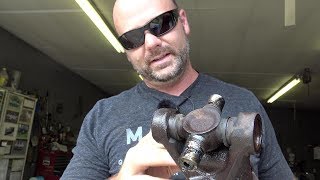
🎬 Watch: How to tell if your U-joint is badCould It Be Something Else? Check for This TSB First.
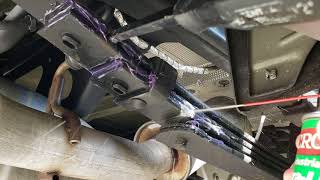
General Motors issued a Technical Service Bulletin (TSB) for some Canyons regarding a squeak or clunk noise coming from the rear of the truck. This noise can be mistaken for a bad U-joint but is actually caused by the leaf spring U-bolts needing to be re-torqued. Before spending money on parts, it's worth checking if the noise is from the suspension rather than the driveline.
🎬 See how to fix the common rear clunking noiseChoosing the Right Aftermarket U-Joint
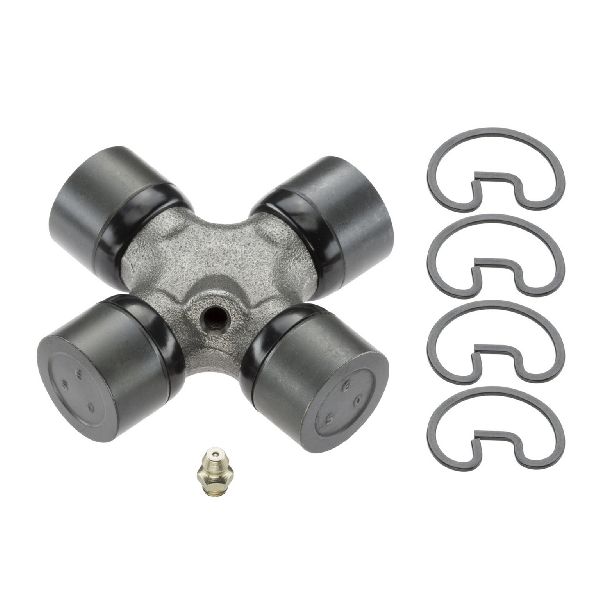
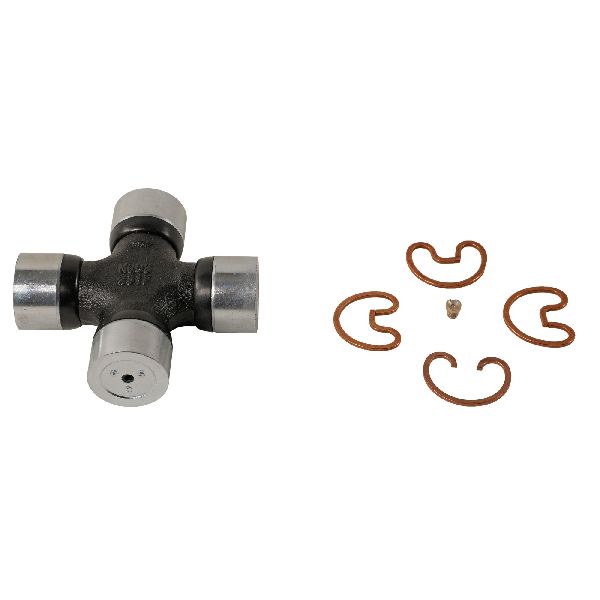
The original U-joints on your Canyon are non-serviceable, meaning they are sealed from the factory and don't need to be greased. When choosing a replacement, you have two main options: non-greasable (like OEM) or greasable.
- Non-Greasable (Sealed): These are generally recommended for most owners. They have stronger seals and a solid cross, making them stronger and more durable. They are an "install it and forget it" part, just like the original.
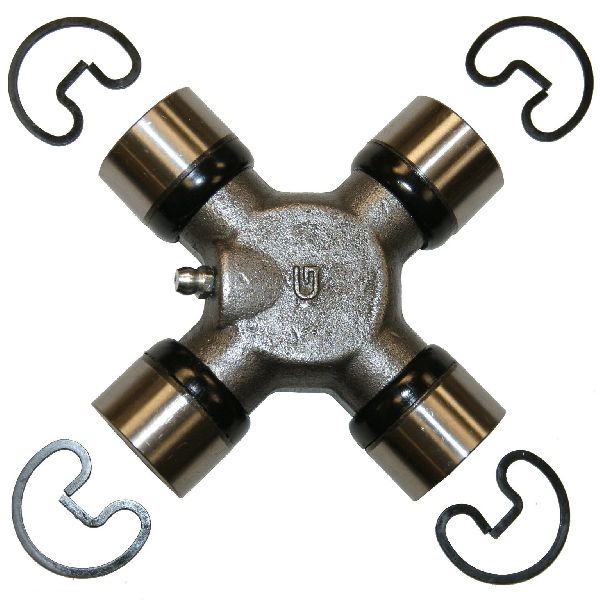
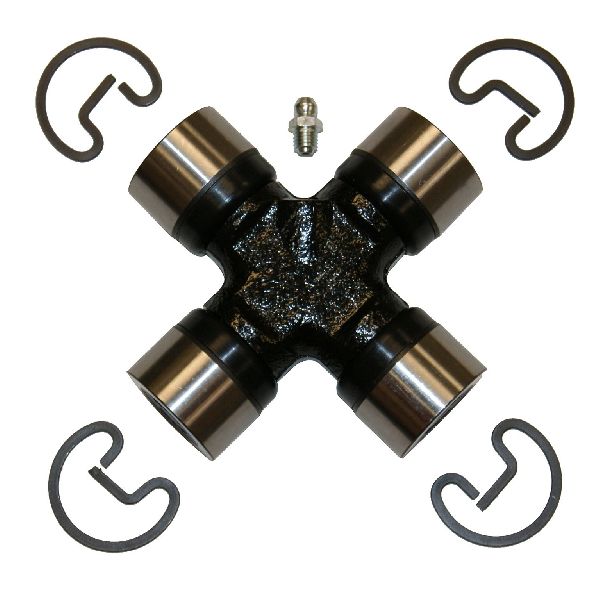
- Greasable: These have a fitting (zerk) that allows you to add new grease. While this seems like a benefit, the internal channels for the grease make the U-joint weaker. They also require regular maintenance. If you don't grease them often, they can fail faster than a sealed joint.
Here’s a breakdown of the common aftermarket brands available:
Tier 1: OEM Quality - Dana Spicer
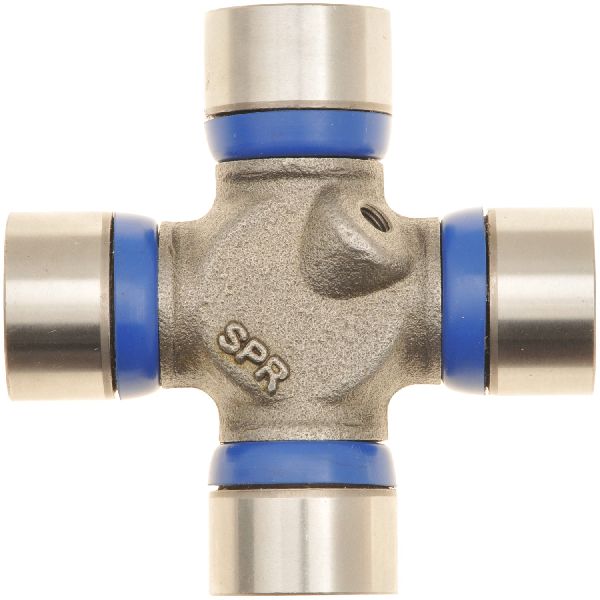
Spicer is widely considered to be the original equipment manufacturer for many driveline parts. For a direct, high-quality replacement, a non-greasable Spicer U-joint is the top choice for durability and longevity, matching the original design.
Tier 2: Reputable Aftermarket - Moog
Moog is a well-known aftermarket brand that often engineers parts with added features. Their U-joints are often greasable, with some designs placing the grease fitting in the cap for easier access. While historically a top choice, some recent user feedback has been mixed on quality, but they remain a popular option.
Tier 3: Value Option - GMB
GMB is a global manufacturer that produces reliable and affordable replacement parts. They are a solid choice if you are on a tighter budget but still want a dependable part that meets or exceeds original specifications.
Understanding Replacement Costs
The cost to replace U-joints can vary based on the parts you choose and local labor rates. The number of joints you replace at once will also affect the total cost. A 4WD truck has more U-joints than a 2WD model.
| Part/Service | Estimated Cost |
|---|---|
| New OEM U-Joint (Single) | $100 - $130 |
| New Aftermarket U-Joint (Single) | $20 - $60 |
| Shop Labor | $120 - $250 |
| Total Professional Replacement (One Joint) | $250 - $480 |
Pro Tip: Do It Yourself?
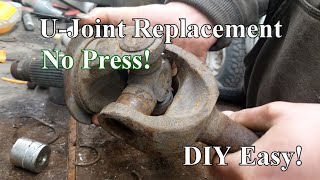
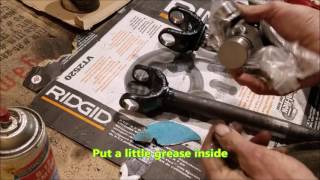
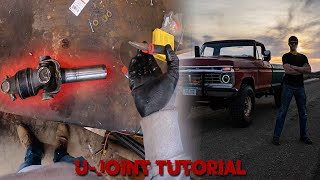
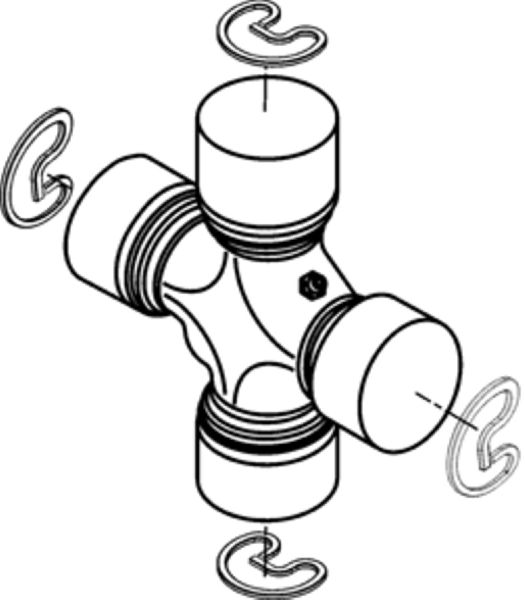
Replacing U-joints is a manageable job for an experienced DIY mechanic, but it can be tough. You will need to safely lift the vehicle, remove the driveshaft, and use a special U-joint press tool or a large bench vise with sockets to press the old joints out and the new ones in. This process often requires significant force. Always mark the driveshaft's orientation before removal to ensure it is reinstalled in the same position to maintain balance.
🎬 Watch this detailed DIY walkthrough for Canyon U-joint replacementFrequently Asked Questions
How many U-joints does my 2014-2021 GMC Canyon have?
It depends on your truck's configuration. A 2WD model typically has two U-joints on the rear driveshaft. A 4WD model has those two, plus additional U-joints on the front driveshaft connecting the transfer case to the front differential. Some long-wheelbase models may have a two-piece rear driveshaft with a center support bearing and three U-joints.
Should I replace all the U-joints at once?
It is highly recommended. If one U-joint has failed due to age and mileage, the others are likely not far behind. Replacing them all at the same time saves you from having to do the same job again in the near future.
Can I reuse the old driveshaft bolts and straps?
No. The small straps and bolts that hold the U-joint to the rear axle yoke are typically considered one-time-use parts by GM and should be replaced. New U-joint kits sometimes include them, but be sure to get new ones if they are not in the box.
What happens if a U-joint fails completely?
Complete failure is serious. The U-joint can break apart, causing the driveshaft to disconnect from the axle or transmission. This will cause an immediate loss of power. The loose, spinning driveshaft can then cause catastrophic damage to the transmission, exhaust, fuel tank, and underbody of your truck, leading to a very expensive repair and a high risk of losing control of the vehicle.
Helpful Videos

Technical Specifications
OEM Part Numbers: 89040245 89040243 84712242 89040339
U-joints vary based on 2WD/4WD configuration and driveshaft position (front/rear). The most common series for this truck is the 1350 series. Always verify the exact part needed for your specific vehicle configuration before purchasing.
We Have This Part in Stock

The information in this article is provided for general reference and educational purposes only. Vehicle specifications, procedures, and part compatibility can vary by production date, trim level, and region. Always consult your vehicle's factory service manual and verify part numbers before purchasing or performing repairs. Safety-critical components such as airbags, seat belts, and braking systems should be installed by a qualified professional.
- GMC Canyon: