

A Guide to Replacing Oxygen Sensors on the 2014-2021 Kia Sedona
Restore your Sedona's fuel economy and engine performance by understanding its oxygen sensors.
- Your Sedona has four O2 sensors; you must identify the specific failed sensor (Bank 1/2, Upstream/Downstream) before buying a replacement.
- For best results and to avoid compatibility issues, choose an OEM-quality aftermarket brand like Denso, NGK/NTK, or Mando.
- A failing O2 sensor will decrease fuel economy and can cause long-term damage to your catalytic converter if not replaced.
- Replacement is a manageable DIY task with a special O2 sensor socket, but sensors can be difficult to remove if rusted in place.
Symptoms of a Failing Oxygen Sensor


When an oxygen sensor in your Sedona starts to fail, it can cause several noticeable issues. The most common sign is the check engine light illuminating on your dashboard. You might also experience reduced fuel economy, a rough or erratic idle, and general engine hesitation or misfires. In some cases, a bad sensor can lead to a rotten egg or sulfur-like smell from the exhaust and can eventually cause damage to the expensive catalytic converters if left ignored.
Identifying the Correct Sensor is Critical
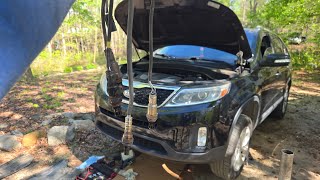
Your 2014-2021 Sedona has four O2 sensors: Bank 1 Upstream, Bank 1 Downstream, Bank 2 Upstream, and Bank 2 Downstream. Bank 1 is the cylinder bank closer to the firewall, while Bank 2 is closer to the radiator. 🎬 Watch: Locate all four sensors on the 3.3L engine Upstream sensors (also called Sensor 1) are for fuel control, while downstream sensors (Sensor 2) monitor the catalytic converter's efficiency. It is essential to correctly diagnose which of the four sensors has failed before ordering a replacement, as they are not interchangeable.
Choosing the Right Aftermarket Oxygen Sensor

When replacing an O2 sensor, the quality of the part matters. Using a low-quality sensor can lead to incorrect readings, persistent check engine lights, and poor engine performance. For a sensitive component like this, it's best to stick with brands known for their OE-level quality.
- Top Tier (OEM-Quality): Brands like Denso and NGK (also sold as NTK) are often the original equipment manufacturers for many Asian vehicles, including Kia. Mando is also a well-regarded OE supplier for Korean brands and offers direct-fit replacements designed specifically for Hyundai and Kia vehicles. These brands are highly recommended for their reliability and compatibility.
- Reliable Aftermarket: Bosch invented the automotive oxygen sensor and is a leading global supplier. While their OEM parts are top-notch, some forum users suggest their aftermarket sensors can occasionally have mixed results compared to Denso or NTK on Asian vehicles. However, they are generally considered a quality option.
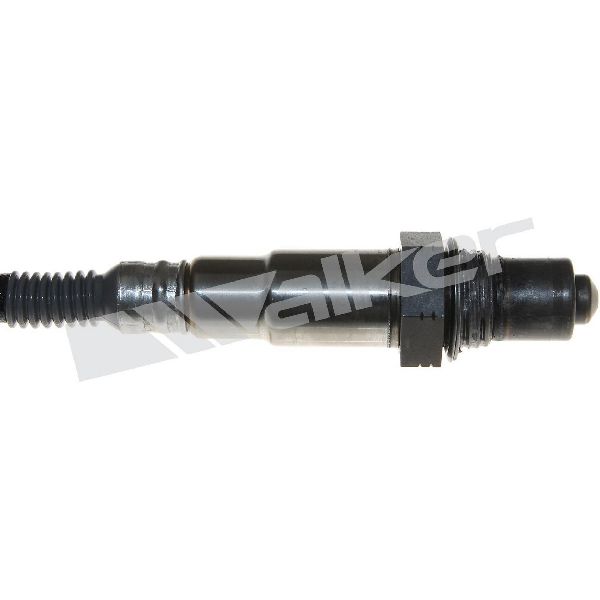
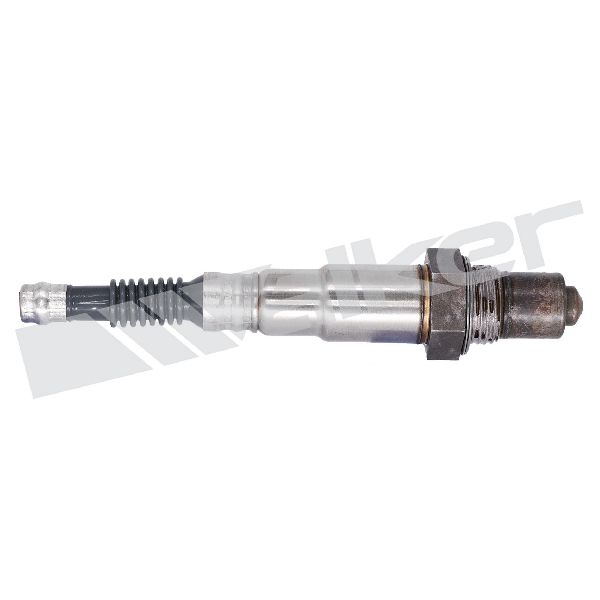
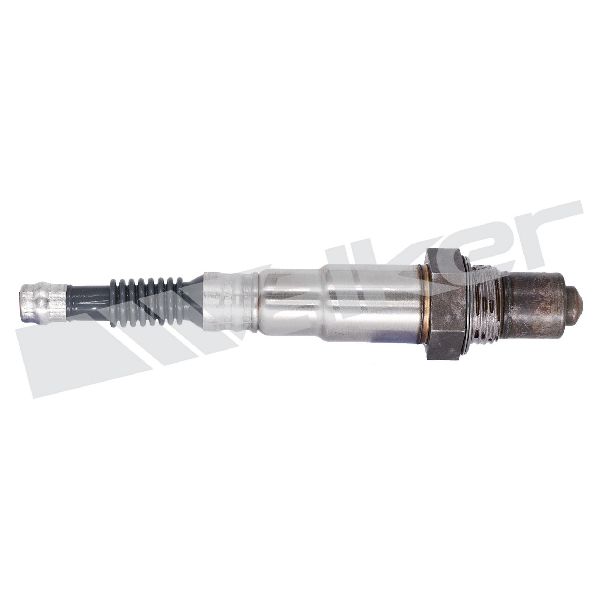
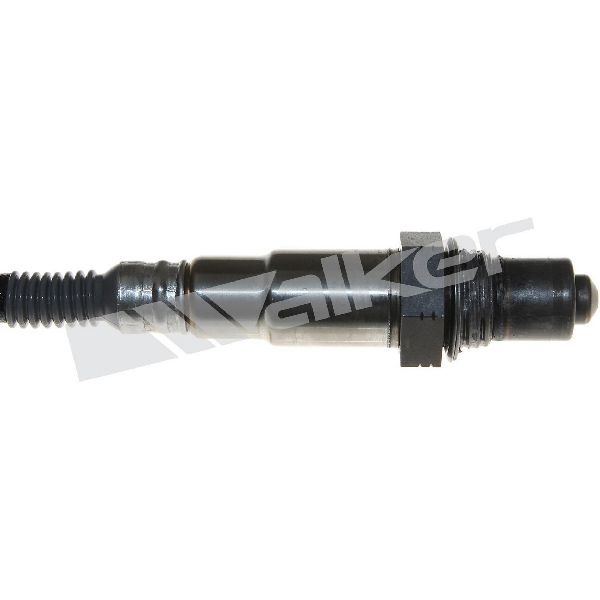
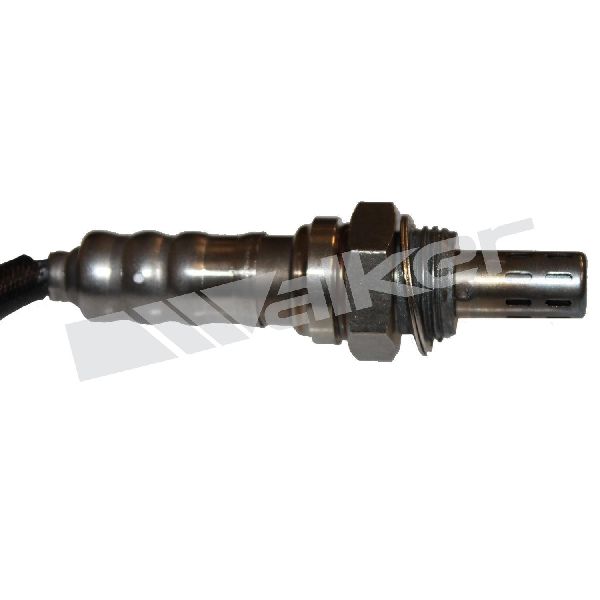
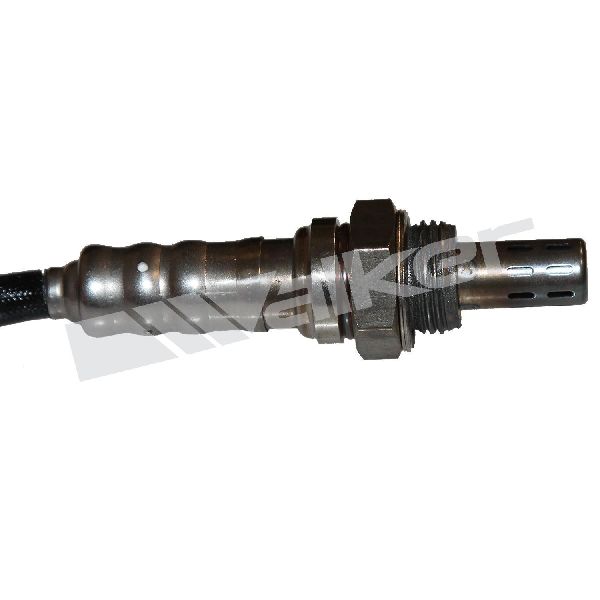
- Budget-Friendly Options: Brands like Walker Products and DriveWire offer more affordable solutions. These can be a viable choice, but for critical sensors, sticking closer to OEM quality is often the safer long-term bet to avoid potential compatibility issues.
Cost of Replacing a Kia Sedona Oxygen Sensor
| Part Category | Estimated Cost |
|---|---|
| New OEM Sensor | $150 - $300+ |
| New Aftermarket Sensor | $74.10 - $225.90 |
| Shop Labor | $80 - $150 per sensor |
Cost estimates are approximate and can vary based on location, specific sensor position, and the repair shop.
Installation Tips
Replacing an O2 sensor can be a DIY job if you have the right tools. You will need a special oxygen sensor socket to fit over the wire harness. The old sensor can be seized in the exhaust pipe; applying penetrating oil and letting it soak can make removal much easier. Most new sensors come with anti-seize compound on the threads, but if not, apply a small amount to the new sensor's threads before installation to prevent future seizing.
🎬 See this step-by-step V6 oxygen sensor replacement walkthroughFrequently Asked Questions

How many oxygen sensors does a 2014-2021 Kia Sedona have?
The 3.3L V6 engine in the Kia Sedona has four oxygen sensors. There is one upstream and one downstream sensor for each of the two cylinder banks (Bank 1 and Bank 2).
What is the difference between an upstream and a downstream O2 sensor?
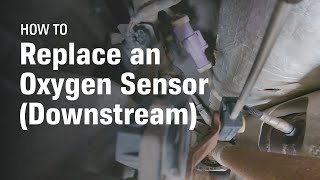
Upstream sensors (Sensor 1) are located before the catalytic converter and are a primary input for controlling the engine's air-fuel mixture. Downstream sensors (Sensor 2) are located after the catalytic converter and their main job is to monitor the converter's efficiency to ensure it's reducing emissions correctly.
🎬 Watch: How to replace a downstream oxygen sensorCan I clean a failing oxygen sensor?
While some online sources suggest cleaning O2 sensors, it is generally not a reliable or long-term solution. The sensing element can become contaminated internally, which cleaning cannot fix. Replacement is the recommended repair for a faulty sensor.
Are there any recalls for the Kia Sedona oxygen sensor?
A search of the National Highway Traffic Safety Administration (NHTSA) database did not reveal any specific recalls for oxygen sensors on the 2014-2021 Kia Sedona. Likewise, no specific Technical Service Bulletins (TSBs) related to widespread oxygen sensor failure were found.
Helpful Videos
Technical Specifications
OEM Part Numbers: 39210-3L640
The 2014-2021 Kia Sedona with the 3.3L V6 engine uses four-wire, heated, narrow-band oxygen sensors. The physical length of the wire harness varies depending on the sensor's location (e.g., Bank 1 Sensor 1, Bank 2 Sensor 2), so it is crucial to order the part specific to the position that needs replacement.
We Have This Part in Stock

The information in this article is provided for general reference and educational purposes only. Vehicle specifications, procedures, and part compatibility can vary by production date, trim level, and region. Always consult your vehicle's factory service manual and verify part numbers before purchasing or performing repairs. Safety-critical components such as airbags, seat belts, and braking systems should be installed by a qualified professional.
- Kia Sedona: