

GMC Canyon Ignition Knock Sensor: A Guide for 2014-2022 Models
If your GMC Canyon feels sluggish or the check engine light is on, a faulty knock sensor could be the culprit.
- For V6 models, replacement is very labor-intensive and expensive; the part itself is cheap, but the labor is not.
- Before replacing, check for TSBs and inspect the sensor's electrical connector for a loose connection, which can cause the same codes.
- Due to the high labor cost, use a high-quality OEM-equivalent brand like Delphi or NGK to avoid repeat repairs.
- The 3.6L V6 engine uses two knock sensors; it's wise to replace both at the same time.
Is Your Canyon Running Rough? It Could Be the Knock Sensor
A failing knock sensor on your 2014-2022 GMC Canyon can cause noticeable performance issues. When the sensor stops working correctly, the engine's computer can no longer detect detonation. To protect the engine, the computer will default to a 'safe' mode, significantly retarding the ignition timing. This leads to symptoms like poor acceleration, bad fuel economy, and in some cases, an audible pinging from the engine.
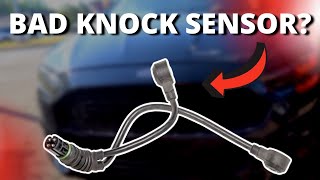
🎬 See this video for a breakdown of bad knock sensor symptomsSymptoms of a Bad Ignition Knock Sensor
- Check Engine Light: This is the most common sign. You'll likely see codes such as P0325, P0326, P0330, or P0331.
- Poor Acceleration: The truck will feel sluggish and unresponsive, especially under load.
- Reduced Fuel Economy: With the engine running inefficiently, you'll notice more trips to the gas station.
- Engine Pinging: You might hear a metallic pinging or knocking sound, particularly when accelerating.
Check Connections and Bulletins First!
Before you buy a new sensor, be aware of GM Technical Service Bulletin (TSB) PIP5273 for the 2015 3.6L V6. It notes that false knock sensor codes (P0326, P0331) can be set due to software issues, and advises against replacing the sensor. Another bulletin for similar GM trucks, PIP5985, found that a poorly seated electrical connector was the real cause. Always check that the sensor's wiring harness is securely connected and free of damage before spending money on parts.
🎬 Watch: How to test for a bad sensor before replacing itChoosing the Right Aftermarket Knock Sensor
When it comes to sensors, quality matters. A cheap, low-quality sensor can fail quickly or provide inaccurate readings, causing the same performance problems to return. Here’s a breakdown of the available brands.
Tier 1: OEM Equivalents
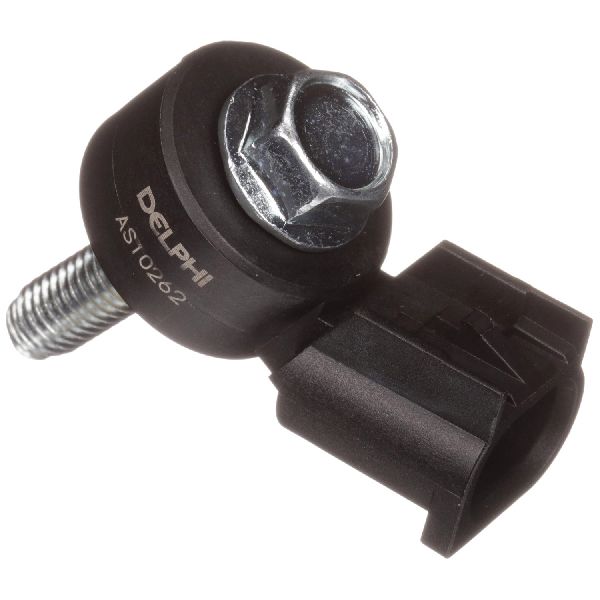
Delphi & NGK (NTK): These brands are widely respected and often manufacture original equipment parts for automakers like GM. Delphi, in particular, is a known OEM supplier for General Motors. Choosing one of these brands gives you the highest probability of a long-lasting, reliable repair that performs just like the factory part.
Tier 2: Reputable Aftermarket
Standard Ignition (SMP): Standard Motor Products is a well-established brand in the aftermarket that produces reliable parts. They offer a good balance of quality and price, making them a solid choice if an OEM-equivalent part isn't available or is outside your budget.
Tier 3: Budget-Friendly Options
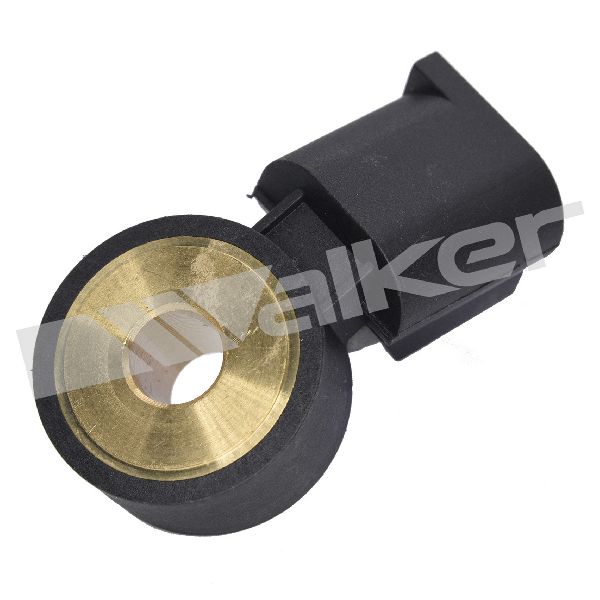
Walker Products, Holstein, Motorad: These brands provide a more affordable alternative. While they can get your truck back on the road, they are generally considered budget options. For a critical sensor like this, which is very labor-intensive to replace on V6 models, saving a few dollars on the part itself may not be worth the risk of having to do the job twice.
Pro Tip: V6 vs. 4-Cylinder Engines
The 3.6L V6 engine in the GMC Canyon has two knock sensors, one for each cylinder bank. The 2.5L I4 engine has one. If you have a V6 and one sensor has failed, it is often recommended to replace both at the same time, as the other is likely of the same age and condition, and accessing them is labor-intensive.
Cost to Replace a GMC Canyon Knock Sensor
The cost is heavily influenced by which engine you have. The sensor on the 4-cylinder is relatively easy to access. However, on the 3.6L V6, the sensors are located on the engine block in difficult-to-reach areas, with one often requiring removal of the starter. This drives up the labor cost significantly.
| Part/Service | Estimated Cost |
|---|---|
| New OEM Sensor (ACDelco) | $25 - $55 (per sensor) |
| New Aftermarket Sensor | $27 - $47 (per sensor) |
| Shop Labor Cost | $420 - $620 (Varies greatly by engine) |
| Total Professional Replacement (V6) | $470 - $700+ |
Frequently Asked Questions
Where is the knock sensor located on the GMC Canyon?
The knock sensor(s) are screwed directly into the engine block. On the 3.6L V6, there is one on each side of the block; the passenger side sensor is notoriously difficult to access and may require removing the starter. On the 2.5L I4, there is one sensor, typically located on the side of the engine block.
Can I replace the knock sensor myself?
For a 2.5L 4-cylinder owner with mechanical experience, it is a feasible DIY job. For the 3.6L V6, it is a difficult and time-consuming task not recommended for beginners due to the poor accessibility of the sensors. Given the high labor cost, it's clear that this is a challenging job.
What happens if I don't replace a bad knock sensor?
Your truck's computer will keep the engine in a 'safe' mode with reduced power to prevent damage. While you can drive it, you will experience poor performance and fuel economy. More importantly, if a real, severe engine knock occurs, the computer will have no way of detecting it, which could lead to catastrophic engine damage.
My check engine light is on for a knock sensor right after I replaced it. What's wrong?
This is a common issue. First, check the wiring and connector for any damage or a loose connection. Second, if you used a budget-brand sensor, it may be faulty out of the box. Finally, knock sensors are sensitive; they must be torqued to the correct specification (usually very low) and can be damaged if dropped before installation.
Helpful Videos

Technical Specifications
OEM Part Numbers: 12729597 12623095 12623730 12567446
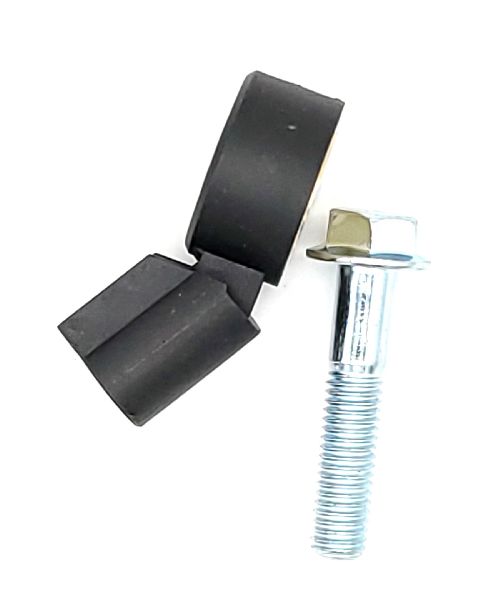
The knock sensor is a piezoelectric sensor that generates an AC voltage signal in response to specific vibration frequencies caused by engine detonation.
We Have This Part in Stock


The information in this article is provided for general reference and educational purposes only. Vehicle specifications, procedures, and part compatibility can vary by production date, trim level, and region. Always consult your vehicle's factory service manual and verify part numbers before purchasing or performing repairs. Safety-critical components such as airbags, seat belts, and braking systems should be installed by a qualified professional.
- GMC Canyon:
- 🎬 Helpful Videos
- 🛍️ Shop This Part
- Is Your Canyon Running Rough? It Could Be the Knock Sensor
- Symptoms of a Bad Ignition Knock Sensor
- Check Connections and Bulletins First!
- Choosing the Right Aftermarket Knock Sensor
- Tier 1: OEM Equivalents
- Tier 2: Reputable Aftermarket
- Tier 3: Budget-Friendly Options
- Pro Tip: V6 vs. 4-Cylinder Engines
- Cost to Replace a GMC Canyon Knock Sensor
- Frequently Asked Questions
- 🎟️ Get 5% Off