

A Guide to the Mass Air Flow Sensor for the 2014-2022 INFINITI Q60
Understanding, diagnosing, and replacing the MAF sensor in your Q60 for restored performance and efficiency.
- Your V6 Q60 has two MAF sensors; they should always be replaced in pairs.
- Hitachi is the OEM manufacturer; choosing this brand ensures original quality and fitment.
- Avoid cleaning the sensors, as it can lead to permanent damage and require a costly ECU reprogram.
- Check for TSB ITB13-054d if you have a P0101 code but no drivability issues, as an ECM reprogram may be the fix instead of new parts.
Understanding Your Q60's MAF Sensors

If your Q60 has suddenly started to run poorly, hesitate on acceleration, or use more fuel than usual, a faulty Mass Air Flow (MAF) sensor could be the problem. The 2014-2015 models with the 3.7L V6 (VQ37VHR) and the 2017-2022 models with the 3.0L twin-turbo V6 (VR30DDTT) both rely on these sensors for optimal performance. It's important to note that the V6 engines in these Q60 models are equipped with two MAF sensors, one for each engine bank, located on the intake tubes right after the air filter boxes.
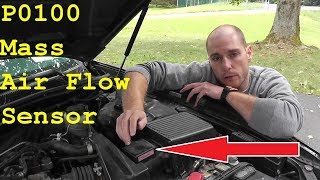
🎬 See a demonstration of where these sensors are located and replaced.A Word of Caution on Cleaning
While cleaning a MAF sensor with a dedicated MAF sensor cleaner can sometimes resolve issues, it carries a significant risk with these specific vehicles. Some owners have reported that cleaning the sensors led to immediate failure, requiring replacement and an expensive trip to the dealership for an ECU reprogram. If you choose to clean them, proceed with extreme caution and understand that replacement might still be necessary.
Symptoms of a Failing MAF Sensor

A bad MAF sensor can cause a variety of noticeable problems. Because the sensor provides incorrect airflow data to the engine's computer, the air-fuel mixture becomes unbalanced. This can lead to several performance issues.
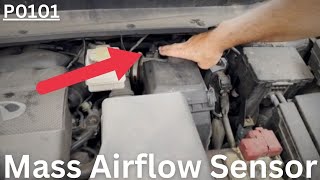
- Check Engine Light: This is often the first sign. The most common trouble code associated with a MAF sensor issue is P0101. 🎬 Learn how to troubleshoot and fix the common P0101 error code.
- Rough Idle: The engine may shake or surge while idling at a stop.
- Poor Acceleration: The car may feel sluggish, lazy, or hesitant when you press the gas pedal.
- Reduced Fuel Economy: An incorrect air-fuel ratio can cause the engine to use more fuel than necessary.
- Engine Stalling or Hard Starting: In more severe cases, the engine may not receive enough fuel to start or may stall after starting.
- Erratic Shifting: Some owners report that a bad MAF sensor can cause the automatic transmission to shift erratically.
Known Issues, TSBs, and Recalls
There are no specific recalls for the MAF sensors on the 2014-2022 INFINITI Q60. However, INFINITI has issued a Technical Service Bulletin (TSB), ITB13-054d, for 2014-2015 Q60 models (among others) that experience a Check Engine Light with DTC P0101 or P010B without any actual drivability problems. This bulletin advises that the fix is to reprogram the ECM, not to replace the MAF sensors. If your vehicle falls into this category and exhibits these specific symptoms, it is worth checking with a dealer to see if this TSB applies before replacing parts.
Choosing the Right Aftermarket MAF Sensor

When it comes to electronic sensors for INFINITI, quality matters significantly. While budget parts are available, they are often not recommended for this application.
OEM vs. Aftermarket
Hitachi is the Original Equipment Manufacturer (OEM) for INFINITI's MAF sensors. This means a Hitachi-branded sensor is the same quality as the part you would get from an INFINITI dealership, often at a lower price. Many technicians and owners strongly advise against using cheap, unbranded aftermarket sensors, as they can fail quickly or be dead on arrival, sometimes causing more issues and throwing codes. For a critical component like this, sticking with the OEM or a top-tier aftermarket brand is the safest bet.
Brand Quality Tiers
- Top Tier (OEM): Hitachi is the OEM supplier and the most recommended choice for reliability and performance.
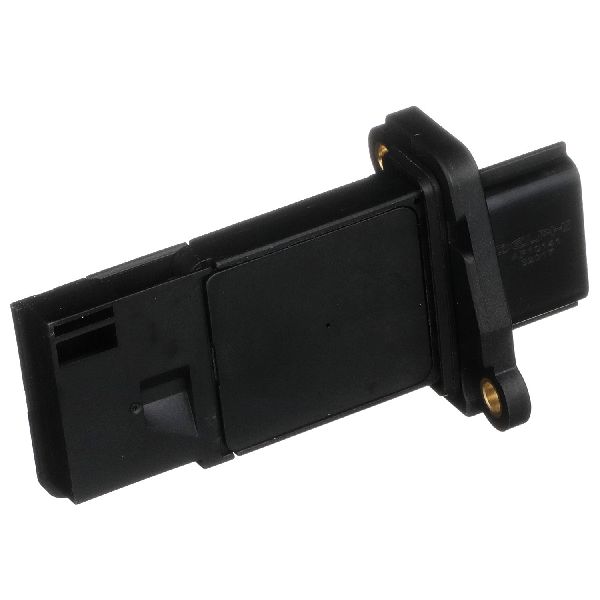
- Reputable Aftermarket: Brands like Delphi, NGK, and Standard Motor Products generally have a good reputation for producing reliable sensors that perform close to OEM standards.
- Budget Brands: While brands like DriveWire or other low-cost options are available, they carry a higher risk of failure and are generally not recommended for this vehicle.
| Part Type | Estimated Cost (Per Sensor) |
|---|---|
| New OEM (Hitachi) | $200 - $265 |
| New Aftermarket (Reputable) | $115 - $235 |
| New Aftermarket (Budget) | $56 - $100 |
| Shop Labor | $50 - $100 |
Frequently Asked Questions
Does my Q60 have one or two MAF sensors?
All 2014-2022 INFINITI Q60 models with a V6 engine have two MAF sensors, one for each intake. It is highly recommended to replace them as a pair to ensure balanced readings and engine performance.
Is this a difficult part to replace myself?
No, this is a very easy DIY job. The sensors are located on the air intake tubes just behind the air filter boxes and are typically held in by two screws and an electrical connector. The entire process for both sensors should take less than 30 minutes.
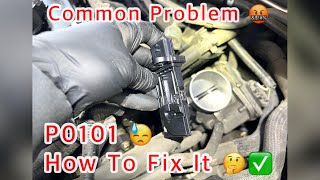
🎬 Watch this guide on how to test and replace your sensors.Do I need to do an idle relearn procedure after replacement?
Sometimes, after replacing the MAF sensors or cleaning the throttle bodies, the car's idle may be too high. An idle air volume learning procedure may be required. While some scanners can perform this, a common method is to let the car fully warm up and then idle in park for 15-20 minutes to allow the ECU to adjust.
Why shouldn't I buy the cheapest MAF sensor available?
The engine computer is very sensitive to the data from the MAF sensors. Cheaper, lower-quality sensors often provide inaccurate readings, leading to persistent check engine lights, poor performance, and bad fuel economy. Investing in a quality OEM or reputable aftermarket part is crucial for proper function.
Helpful Videos
Technical Specifications
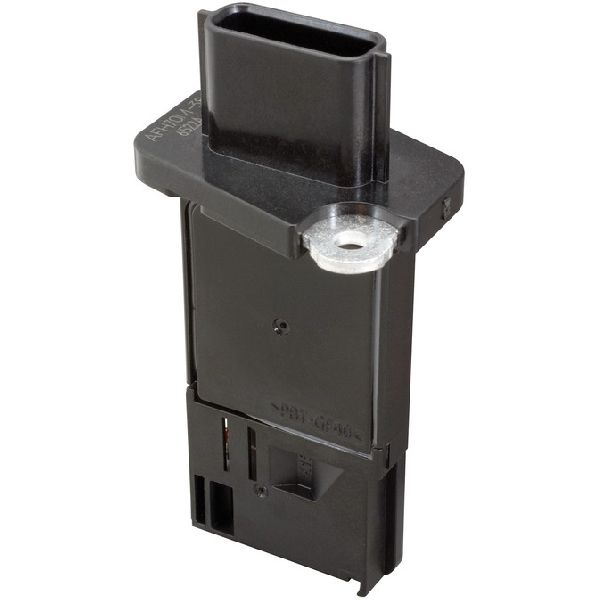
OEM Part Numbers: 22680-7131R 22680-7S000 22680-1MG0A
The 2014-2015 Q60 (3.7L) and 2017-2022 Q60 (3.0L) use different MAF sensors. The 3.0L VR30DDTT engine uses part number 22680-7131R. The 3.7L VQ37VHR engine uses part number 22680-7S000. Always verify the correct part number for your specific engine before ordering.
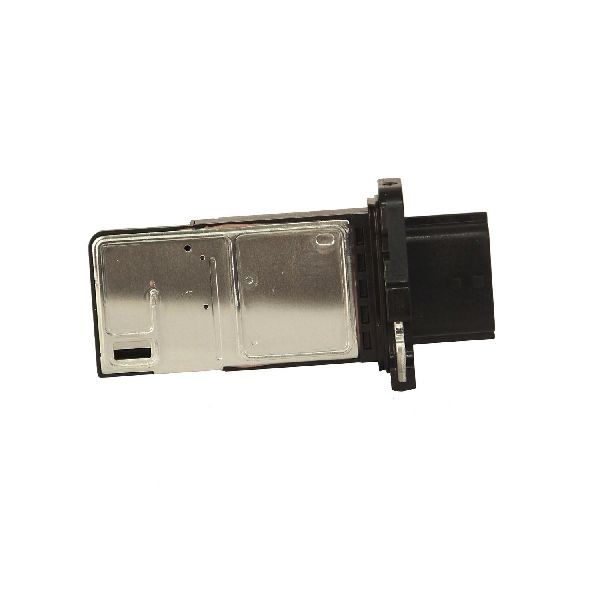
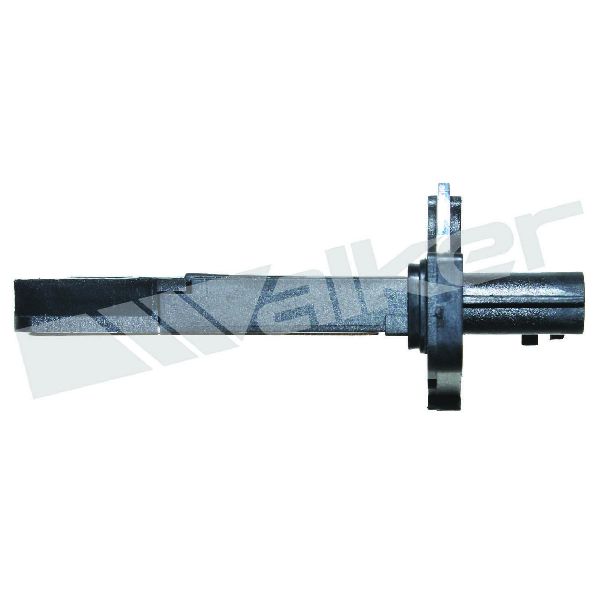
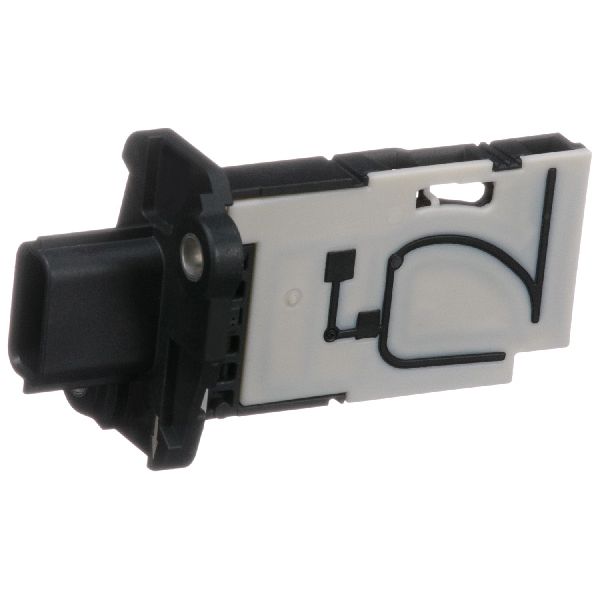
We Have This Part in Stock


The information in this article is provided for general reference and educational purposes only. Vehicle specifications, procedures, and part compatibility can vary by production date, trim level, and region. Always consult your vehicle's factory service manual and verify part numbers before purchasing or performing repairs. Safety-critical components such as airbags, seat belts, and braking systems should be installed by a qualified professional.
- INFINITI Q60: