

Toyota Corolla Automatic Transmission Mount: A Guide for 2014-2022 Models
If your Corolla is vibrating or making clunking noises, a failing transmission mount could be the reason.
- A bad transmission mount on a 2014-2022 Corolla primarily causes clunking noises and excessive vibration.
- For best results and to avoid new vibration problems, OEM mounts are highly recommended.
- Budget aftermarket brands like Anchor and DEA often use hard rubber that can increase vibration.
- Replacement is a feasible DIY job for those with the right tools, taking about 1-2 hours.
Symptoms of a Failing Transmission Mount
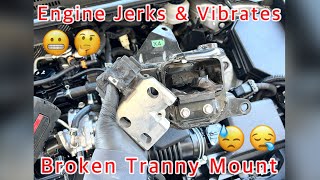
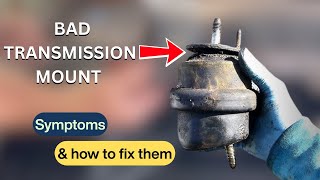
When a transmission mount wears out, the rubber cracks or collapses. This allows for too much movement and vibration, which you will feel and hear while driving. Look out for these common signs on your Corolla.
- Excessive Vibration: You may feel a new vibration through the floor, seats, or steering wheel. On these Corollas, this is often most noticeable at low engine speeds (around 1000-1300 RPM) or when idling in gear.
- Clunking or Banging Noises: A loud clunk, thump, or bang when you shift from Park into Drive or Reverse is a classic symptom. You might also hear it during hard acceleration or braking as the transmission shifts its weight.
- Jerking or Lurching: The car may feel like it's jerking or lurching when you accelerate or shift gears. This is caused by the transmission moving around more than it should.
Pro Tip: How to Check Your Mounts
You can do a quick test with a helper. With the hood open and the parking brake on firmly, have someone stand to the side of the car (not in front). While you hold the brake pedal down hard, briefly shift into Drive and then Reverse, tapping the gas slightly in each gear. If the engine and transmission rock or jump excessively, one or more of your mounts (engine or transmission) are likely bad.
🎬 Watch: See these symptoms and a quick diagnostic test.Choosing the Right Aftermarket Mount
When replacing your Corolla's transmission mount, you have a choice between Original Equipment (OEM) and aftermarket parts. The quality difference can significantly affect your car's smoothness.
The original Toyota mount uses a specific rubber compound tuned to absorb the unique vibrations of the Corolla's engine and CVT. Aftermarket parts aim to replicate this, but often at a lower cost, which can lead to compromises.
Brand Quality Tiers
Based on mechanic feedback and owner experiences, aftermarket brands for this part fall into a few general categories:
- OEM-Equivalent (Sometimes): Beck Arnley often sources parts that match original specifications. However, for mounts, reviews are mixed. Some find them to be a good alternative, while others report fitment issues or no improvement over cheaper brands. It can be a gamble.
- Good Value Aftermarket: Pioneer has a reputation for producing mounts that fit well and look similar to the factory part. They are generally considered a solid choice that balances cost and quality.
- Budget Brands: Anchor and DEA are widely available and very affordable. However, they are frequently criticized for using a harder rubber compound. This can cause them to transmit *more* vibration into the cabin than the worn-out part you are replacing. Many owners who choose these brands complain about a rough idle and short part life.
A Warning on Budget Mounts
For a part that controls vibration, choosing the cheapest option can make your car less comfortable to drive. If your main goal is to restore the original smooth feel of your Corolla, investing in an OEM or a higher-quality aftermarket part like Pioneer is often worth the extra cost.
Known Issues, TSBs, and Recalls
While there are no direct recalls for the transmission mount itself on the 2014-2022 Corolla, there are related service bulletins.
- TSB TSB008823: This bulletin applies to 2020-2024 Corollas and notes a potential vibration or rattle from the right-side engine mount at idle, especially in warm weather. A technician can confuse this with a transmission mount issue, so it's good to be aware of.
- SSC JSD: Toyota issued a Special Service Campaign for the CVT in 2014-2017 models to update software that could cause premature wear. This does not relate to the mount itself but to the transmission's internal components.
| Part Type | Estimated Part Cost |
|---|---|
| New OEM | $100 - $180 |
| New Aftermarket | $67 - $102 |
| Used OEM | $40 - $70 |
| Shop Labor | $100 - $300 |
Frequently Asked Questions
Is it hard to replace a Corolla transmission mount?
It is a moderately difficult job that a DIYer with some experience can handle. It requires safely jacking up the car, supporting the transmission with a separate jack and a block of wood, and removing the battery and airbox to access the mount. The job typically takes 1-2 hours.
🎬 See this step-by-step guide for the driver-side mount replacement.Will a bad transmission mount cause a Check Engine Light?
It is unlikely. A transmission mount is a mechanical part and does not have sensors that would trigger a check engine light. However, in very severe cases, the excessive vibration could potentially affect a sensor and trigger a code, but this is rare.
What tools are needed for the replacement?
You will need a good socket set (typically with 10mm, 12mm, 14mm, and 17mm sockets), a torque wrench, a jack, and jack stands. You must also use a second jack with a piece of wood to safely support the transmission once the old mount is unbolted.
My car vibrates but the mount looks okay. What else could it be?
Vibrations can come from many sources. On a Corolla, other possibilities include worn engine mounts, unbalanced tires, a bent wheel, or even issues within the CVT transmission itself. If a new mount doesn't solve the problem, further diagnosis is needed.
🎬 Watch: How to fix engine vibration on 2019-2024 models.Helpful Videos
Technical Specifications
OEM Part Numbers: 12371-0T320 12363-F2010
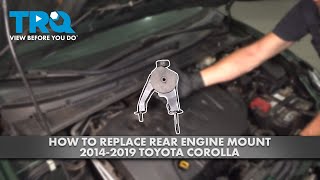
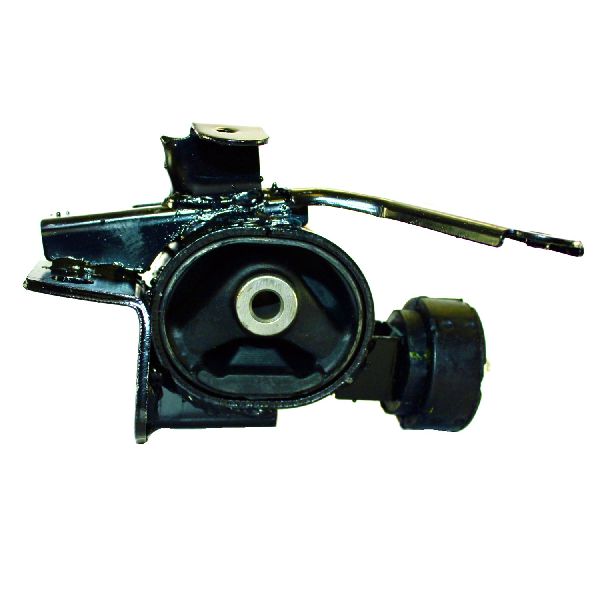
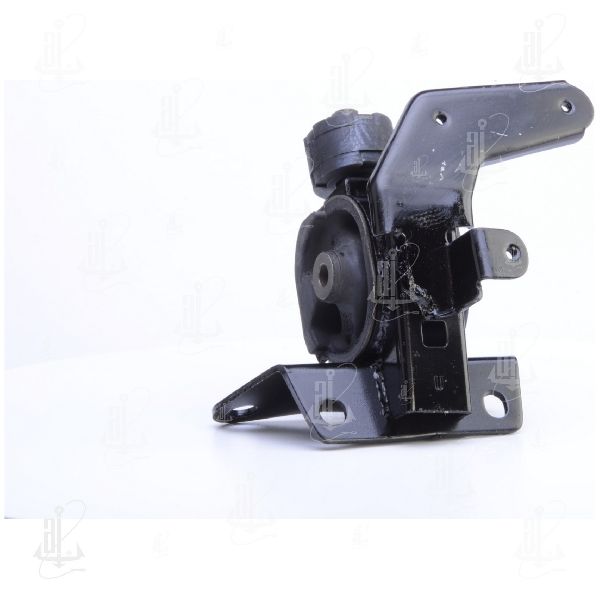
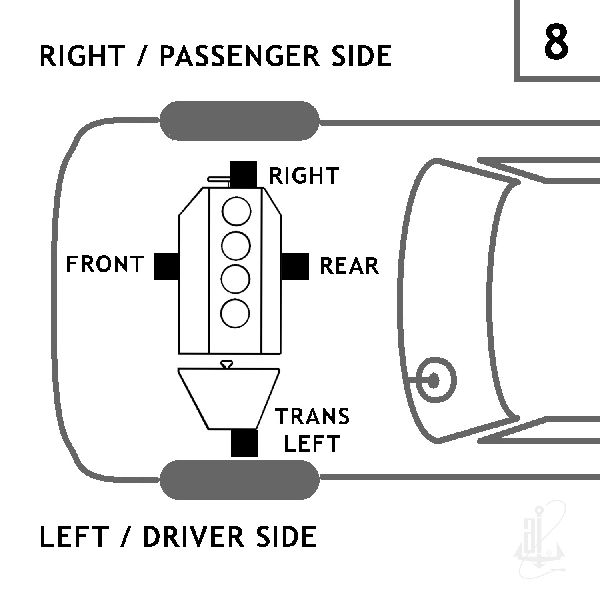
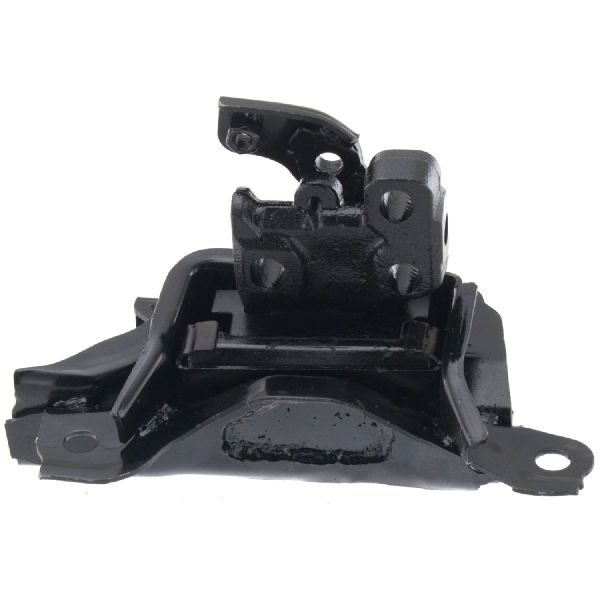
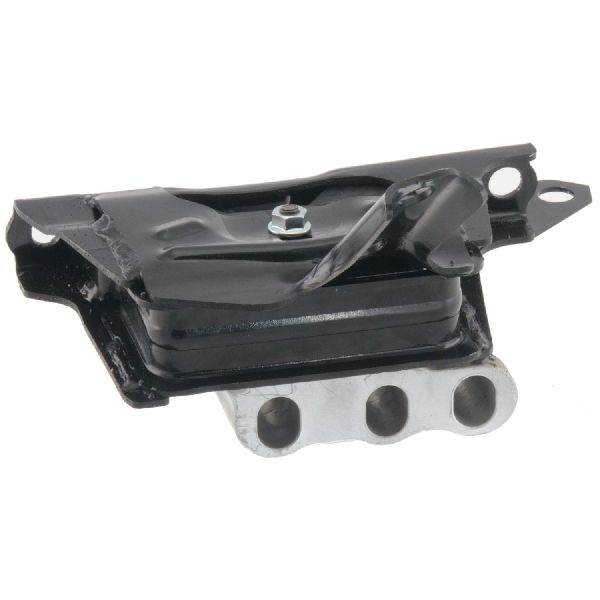
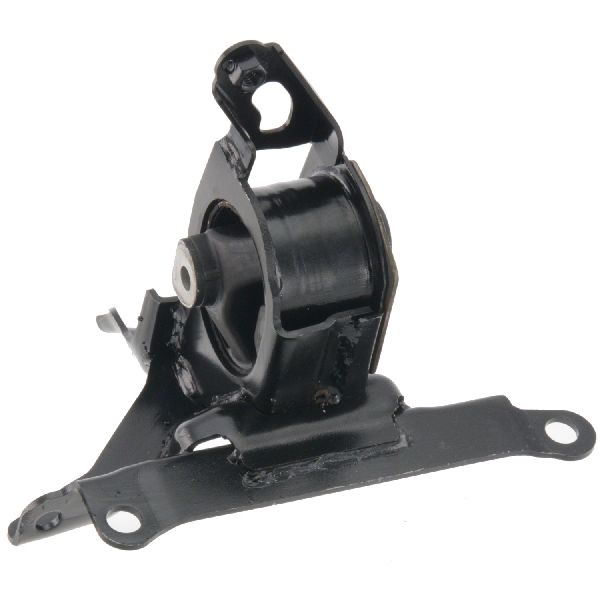
The automatic transmission mount for the 2014-2022 Corolla is typically the left-hand (driver side) mount, located under the air filter housing. It consists of a metal bracket and a large, bonded rubber insulator designed to support the transaxle and dampen vibration.
We Have This Part in Stock

The information in this article is provided for general reference and educational purposes only. Vehicle specifications, procedures, and part compatibility can vary by production date, trim level, and region. Always consult your vehicle's factory service manual and verify part numbers before purchasing or performing repairs. Safety-critical components such as airbags, seat belts, and braking systems should be installed by a qualified professional.
- Toyota Corolla: