

A Guide to the Engine Coolant Temperature Sensor for the 2014-2023 BMW 330i
Understand the signs of a failing coolant sensor and how to choose the right replacement for your BMW 330i.
- A failing coolant sensor will usually trigger a Check Engine Light and can cause poor fuel economy, black smoke, and overheating.
- For this part, a quality aftermarket brand is a reliable, cost-effective alternative to more expensive OEM parts.
- There are different sensor part numbers for the F30 (2016-18) and G20 (2019+) generations; verify the correct one for your car.
- Properly bleeding the cooling system after replacement is critical to prevent air pockets and future overheating issues.
Understanding Your 330i's Engine Generations

While the 330i model falls within the 2014-2023 year range, it's important to know which specific generation you have. The F30 chassis 330i was produced from model years 2016 to 2018. The newer G20 chassis 330i began in 2019. Both generations use a version of BMW's B48 engine, but they may use different part numbers for the coolant sensor. Always verify the part number for your specific vehicle.
Symptoms of a Failing Coolant Temperature Sensor

When the coolant temperature sensor starts to fail, it sends incorrect information to the engine's computer, which can cause a variety of problems. Here are the most common signs to watch for:
🎬 Watch: 8 symptoms of a bad sensor you shouldn't ignore.- Check Engine Light: This is often the first sign. The computer detects a problem with the sensor's signal and triggers a warning light.
- Poor Fuel Economy: A bad sensor might tell the computer the engine is always cold. This causes the computer to inject too much fuel, hurting your gas mileage.
- Black Smoke from Exhaust: The extra, unburned fuel from a rich mixture can exit the tailpipe as black smoke.
- Engine Overheating: If the sensor fails to report that the engine is hot, the cooling fans may not turn on when needed, leading to overheating.
- Rough Idle and Poor Performance: With the wrong fuel and timing adjustments, your 330i may idle roughly, hesitate, or feel sluggish.
- Inaccurate Temp Gauge: The temperature gauge on your dashboard might swing wildly, stay on cold, or show an overheating engine when it's not.
Known Issues for the BMW 3-Series (2012-2018)
While no recalls exist specifically for the coolant temperature sensor on the 330i, there is a significant safety recall (NHTSA Campaign Number: 24V-608) for the electric water pump connector on many 2012-2018 BMW models with N20 and N26 engines. This issue can lead to a short circuit. While your B48-powered 330i may not be included, it's a known cooling system issue for the F30 platform era.
Choosing the Right Aftermarket Sensor

For a critical sensor like the ECTS, quality matters. The data it provides directly impacts your BMW's performance and health. You have a few options when it comes to replacement parts.
- Genuine BMW (OEM): This is the part you would get from a BMW dealership. It guarantees perfect fitment and performance but comes at the highest cost.
- Quality Aftermarket Brands (e.g., Holstein, VNE, Walker Products): These brands aim to meet or exceed original specifications. For a common part like a sensor, a reputable aftermarket brand offers a great balance of quality and value. They are a reliable choice for most repairs.
- Value-Priced Aftermarket (e.g., Global Parts, unbranded): While the low price is tempting, the quality can be inconsistent. An inaccurate sensor can cause more problems than it solves, leading to poor performance and incorrect diagnostics. It's generally better to choose a recognized brand.
Pro Tip: When replacing a coolant sensor, it's also a good time to inspect the electrical connector for corrosion or damage. It's also wise to replace the small o-ring or sealing washer that comes with the new sensor to prevent leaks.
Cost to Replace a BMW 330i Coolant Temperature Sensor
| Part/Service | Estimated Cost |
|---|---|
| New OEM Part | $50 - $150 |
| New Aftermarket Part | $21 - $162 |
| Shop Labor | $100 - $225 |
| Total Estimated Cost (Aftermarket Part + Labor) | $121 - $387 |
Note: Costs are estimates and can vary based on your location and the specific repair shop. Shop labor is estimated at 1-1.5 hours.
Frequently Asked Questions

Where is the coolant temperature sensor located on a BMW 330i?
On the B48 engine used in the F30 and G20 330i, the main coolant temperature sensor is typically located on the cylinder head, near the thermostat housing. 🎬 See this video for the sensor location and a demonstration. Access may require removing the engine cover and potentially the DME computer housing.
Is it difficult to replace the coolant sensor myself?
For a DIYer with some experience, this is a manageable job. The main challenges are accessing the sensor and properly bleeding the cooling system afterward to remove any air pockets, which is critical. If you are not comfortable with this, it's best to leave it to a professional.
🎬 Watch: G20 thermostat and heat management module replacement walkthrough.Should I use an OEM or aftermarket sensor?
While an OEM sensor guarantees compatibility, a quality aftermarket sensor from a reputable brand is a perfectly acceptable and cost-effective solution for this part. Avoid the cheapest, unbranded options, as their accuracy can be questionable.
Do I need to drain the coolant to replace the sensor?
It is highly recommended to drain the cooling system before starting. If you are very quick, you can swap the sensor with minimal coolant loss, but you must work on a completely cold engine to avoid being burned by hot coolant. You will still need to top off and bleed the system afterward.
Helpful Videos

Technical Specifications
OEM Part Numbers: 13628649765 13621433076 13628650714
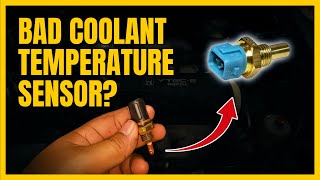
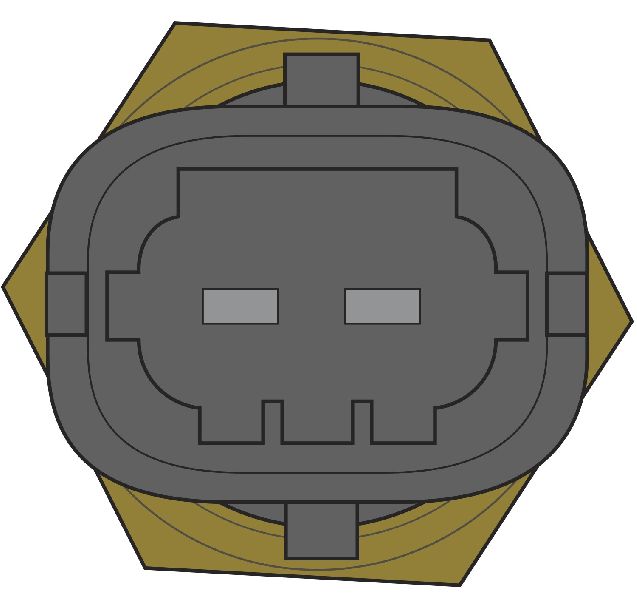
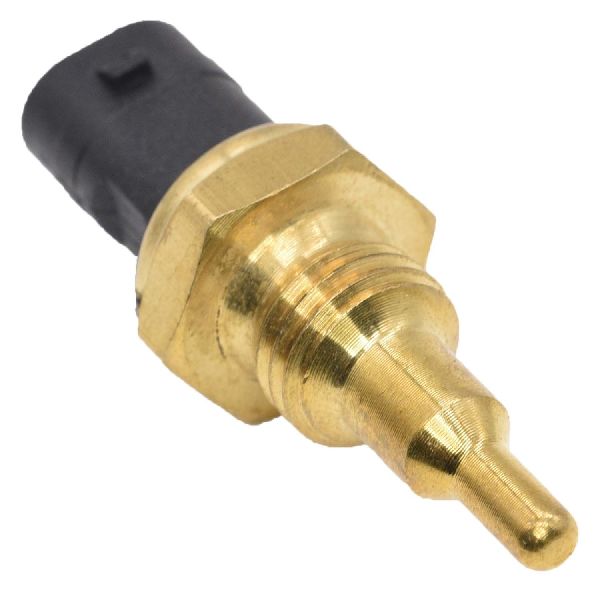
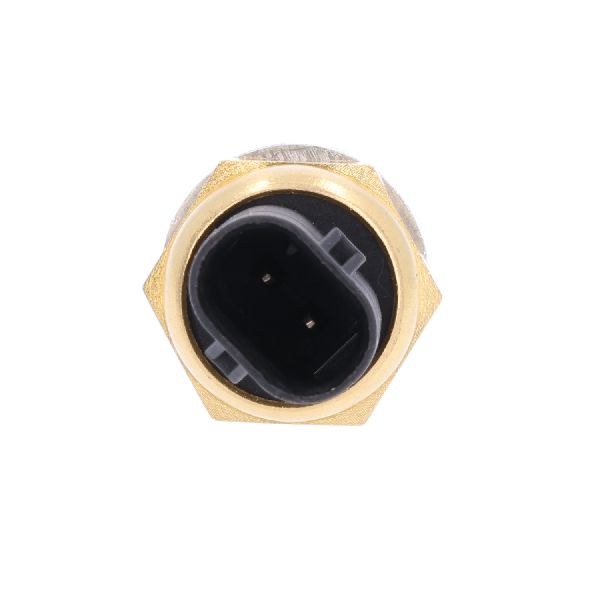
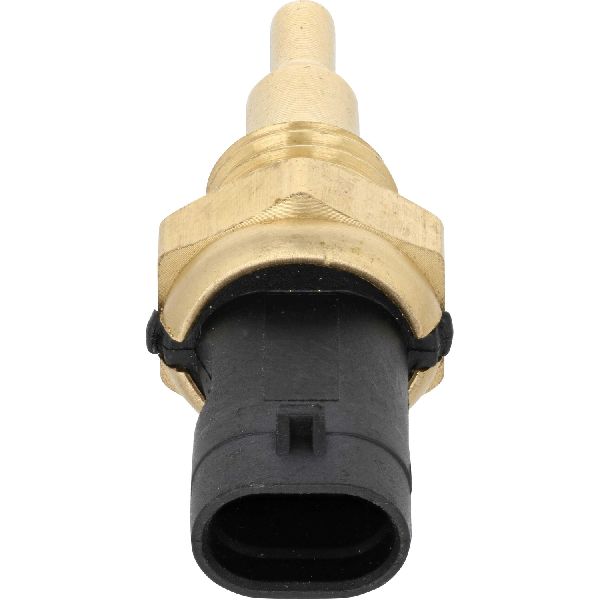
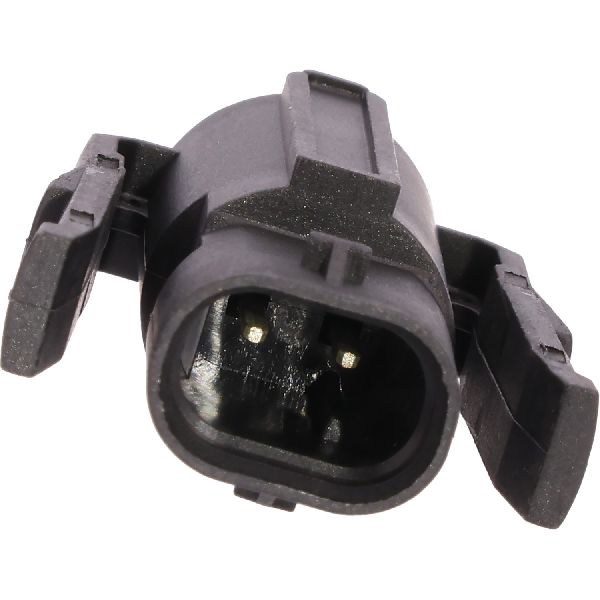
The sensor is a thermistor, meaning its electrical resistance changes with temperature. It typically has a 2-pin electrical connector and screws into the cylinder head or coolant housing.
We Have This Part in Stock


The information in this article is provided for general reference and educational purposes only. Vehicle specifications, procedures, and part compatibility can vary by production date, trim level, and region. Always consult your vehicle's factory service manual and verify part numbers before purchasing or performing repairs. Safety-critical components such as airbags, seat belts, and braking systems should be installed by a qualified professional.
- BMW 330i:
- 🎬 Helpful Videos
- 🛍️ Shop This Part
- Understanding Your 330i's Engine Generations
- Symptoms of a Failing Coolant Temperature Sensor
- Known Issues for the BMW 3-Series (2012-2018)
- Choosing the Right Aftermarket Sensor
- Cost to Replace a BMW 330i Coolant Temperature Sensor
- Frequently Asked Questions
- 🎟️ Get 5% Off