

Chrysler 300 Engine Coolant Temperature Sensor Guide (2014-2023)
Diagnose and fix common temperature-related engine problems in your Chrysler 300.
- A bad ECT sensor causes issues like poor fuel economy, overheating, and a check engine light.
- If you get code P0128, the problem is most likely your thermostat, not the sensor.
- Replacement is a simple DIY task; the sensor is on the cylinder head (3.6L) or near the thermostat (5.7L).
- Choose a quality aftermarket brand like Delphi or Standard Ignition over the cheapest options for reliability.
Is Your Chrysler 300 Showing Signs of a Bad Coolant Temp Sensor?

A failing Engine Coolant Temperature (ECT) sensor can cause confusing problems. Your temperature gauge might act erratically, your check engine light may come on, or your engine might just run poorly. Because this sensor controls so many engine functions, its failure can mimic other, more serious issues. Understanding the symptoms is the first step to a correct diagnosis.
Common Symptoms of Failure
🎬 Watch: 8 common signs of a failing coolant sensor- Check Engine Light: The most common sign. You will likely see codes like P0117, P0118, or P0128.
- Inaccurate Temperature Gauge: The gauge on your dashboard may show the engine is overheating, not warming up at all, or jump around randomly.
- Poor Fuel Economy: If the sensor wrongly tells the computer the engine is always cold, the computer will inject too much fuel, hurting your gas mileage.
- Engine Overheating: A bad sensor can fail to signal the cooling fans to turn on when needed, causing the engine to overheat.
- Cooling Fans Won't Turn Off: As a fail-safe, the engine computer may run the fans constantly if it gets a bad signal from the sensor.
- Rough Idle and Poor Performance: An incorrect fuel mixture can lead to a shaky idle, hesitation when you accelerate, and even engine misfires.
- Black Smoke from Exhaust: In severe cases, a very rich fuel mixture can lead to black smoke from the tailpipe as unburnt fuel is burned in the exhaust.
Warning: Check Your Thermostat First for Code P0128
If you only have the check engine code P0128 (Coolant Temperature Below Thermostat Regulating Temperature), the problem is most likely a faulty thermostat, not the sensor. This code means your engine isn't warming up as quickly as the computer expects. This usually happens because the thermostat is stuck open. Replacing the sensor will not fix this issue.
🎬 See how to replace the thermostat for code P0128Choosing the Right Aftermarket Sensor

While a Mopar sensor from the dealer is always an option, high-quality aftermarket parts can offer the same performance for less money. However, not all aftermarket brands are created equal. For a critical sensor like the ECT, it's wise to avoid the cheapest options, which can fail quickly.
- Premium Aftermarket (Recommended): Brands like Delphi, Standard Ignition (SMP), and Beck Arnley have a strong reputation for quality and reliability. Delphi is a known OEM supplier for many manufacturers. These brands engineer their parts to meet or exceed original specifications.
- Standard Aftermarket: Brands like Dorman, Walker Products, and Holstein offer a good balance of value and quality. They are widely available and are a reliable choice for most repairs.
- Budget Brands: While brands like Global Parts or other low-cost online options are tempting, their long-term reliability can be questionable. For a sensor this important to engine health, spending a few extra dollars for a reputable brand is a smart investment.
Pro Tip: Check the Connector
Before replacing the sensor, inspect the wiring and connector. Sometimes, a loose or corroded connector is the real problem. Make sure the connector clicks firmly into place on the new sensor.
Installation Overview

Replacing the ECT sensor is a manageable DIY job for most home mechanics. The key is to work quickly to minimize coolant loss. Always work on a cool engine.
- Locate the Sensor:
- On the 3.6L V6, it's on the cylinder head, at the front of the engine on the passenger side. Access can be a bit tight.
- On the 5.7L HEMI V8, it's located near the thermostat housing, below the throttle body on the driver's side.
- Get Ready: Place a drain pan under the engine to catch spilled coolant. Have the new sensor ready to go.
- Swap the Sensor: Disconnect the electrical plug. Use a deep socket (usually 19mm) to unscrew the old sensor. As soon as it's out, thread the new sensor in by hand and then tighten it until snug.
- Finish Up: Reconnect the electrical plug. Top off any lost coolant with the correct type for your vehicle. Start the engine and check for leaks. 🎬 Watch this step-by-step guide to replacing your sensor
| Part/Service | Estimated Cost |
|---|---|
| New OEM (Mopar) Sensor | $40 - $77 |
| New Aftermarket Sensor | $19 - $75 |
| Shop Labor | $75 - $150 |
| Total Professional Replacement | $94 - $225 |
Frequently Asked Questions
Where is the ECT sensor on my Chrysler 300?
For 2014-2023 models, the location depends on your engine. On the 3.6L V6, it is on the passenger side, at the front of the cylinder head. On the 5.7L HEMI V8, it is below the throttle body near the thermostat housing.
Can I drive my car with a bad coolant temperature sensor?
You can, but it is not recommended for an extended period. A bad sensor can lead to poor fuel economy, rough running, and potentially engine overheating, which can cause severe damage. It's best to get it fixed as soon as possible.
What do the check engine codes for the ECT sensor mean?
P0117 means the computer is seeing a voltage that is too low (reading too hot). P0118 means the voltage is too high (reading too cold). P0128 means the engine is not reaching its proper operating temperature quickly enough, which usually points to a stuck-open thermostat.
Is a Mopar sensor better than an aftermarket one?
A Mopar sensor guarantees an exact fit and quality. However, premium aftermarket brands like Delphi or Standard Ignition (SMP) are often made to the same standards and can be a more cost-effective choice without sacrificing reliability. Avoid the cheapest, no-name parts for critical components like this.
Helpful Videos


Technical Specifications
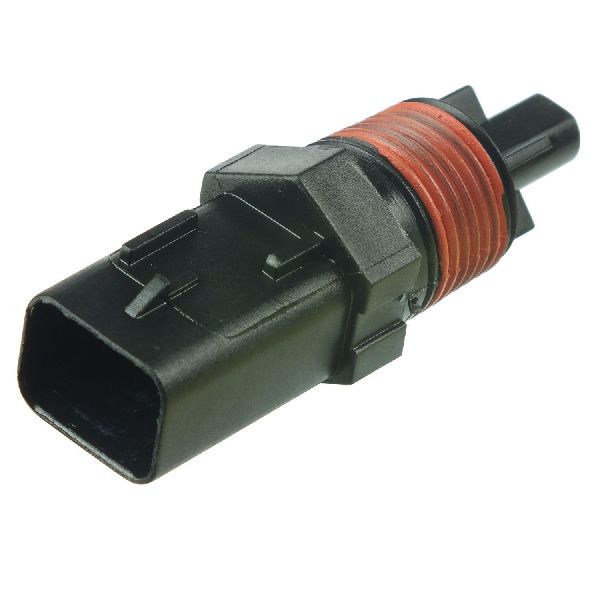
OEM Part Numbers: 5149077AA 5149077AB 5149096AA 5149096AB
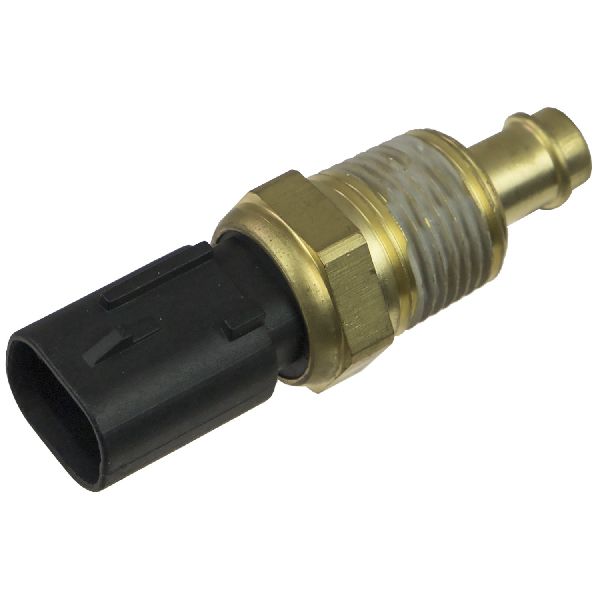
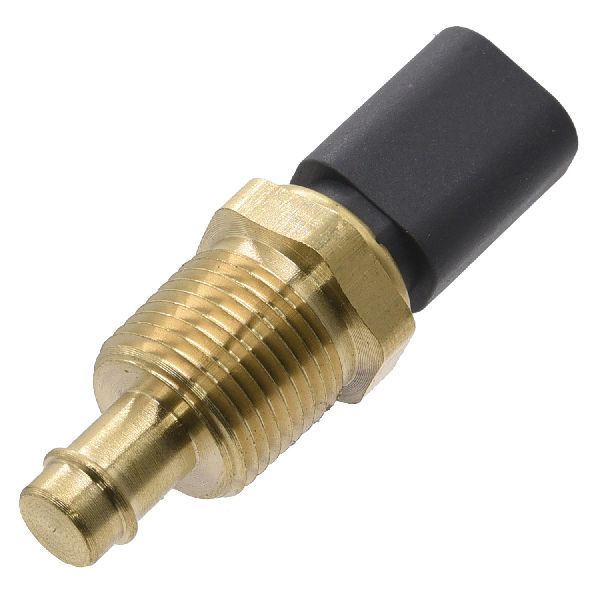
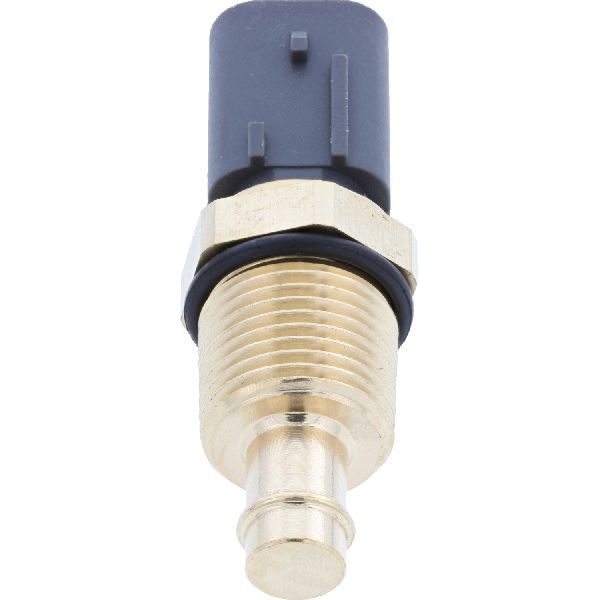
2-pin connector, threaded brass body. Location varies by engine (3.6L V6 vs 5.7L V8).
We Have This Part in Stock


The information in this article is provided for general reference and educational purposes only. Vehicle specifications, procedures, and part compatibility can vary by production date, trim level, and region. Always consult your vehicle's factory service manual and verify part numbers before purchasing or performing repairs. Safety-critical components such as airbags, seat belts, and braking systems should be installed by a qualified professional.
- Chrysler 300:
- 🎬 Helpful Videos
- 🛍️ Shop This Part
- Is Your Chrysler 300 Showing Signs of a Bad Coolant Temp Sensor?
- Common Symptoms of Failure
- Warning: Check Your Thermostat First for Code P0128
- Choosing the Right Aftermarket Sensor
- Pro Tip: Check the Connector
- Installation Overview
- Frequently Asked Questions
- 🎟️ Get 5% Off