

Dodge Challenger Engine Coolant Temperature Sensor Guide (2014-2023)
Is your Challenger's temperature gauge acting strange or is the check engine light on? Your coolant sensor might be the problem.
- A bad ECT sensor is a common cause for the P0128 check engine light code, but a stuck thermostat should also be considered.
- Replacement is easy on V8 engines but can be difficult on the 3.6L V6 due to tight access at the rear of the engine.
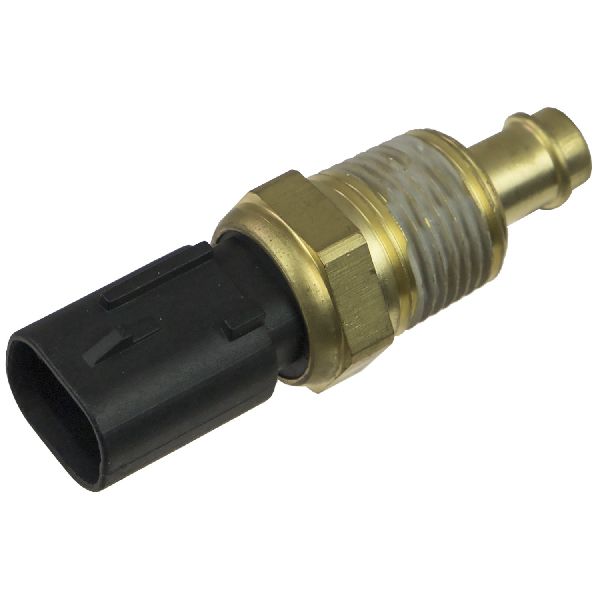
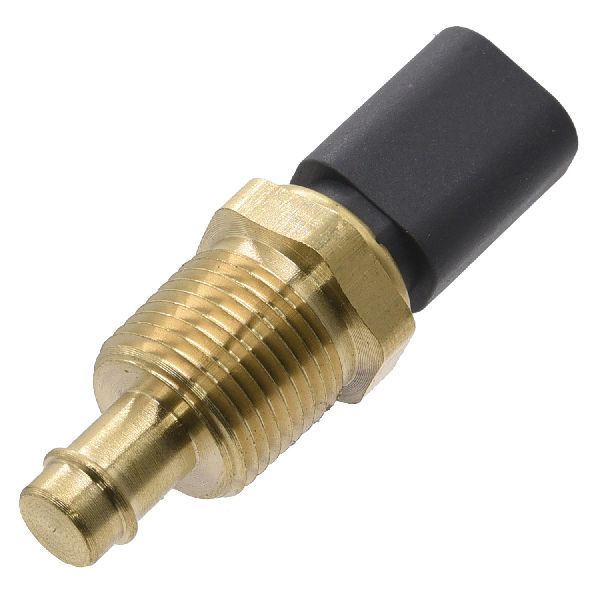
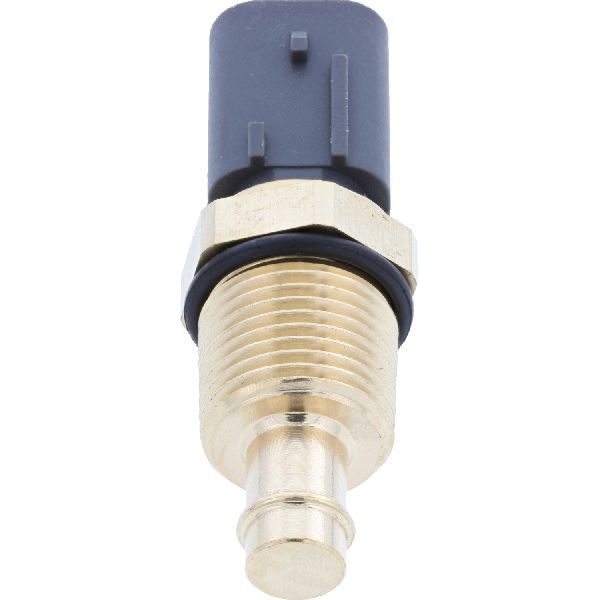
- For the 3.6L V6, visually confirm your old part before buying a new one, as there are two similar-looking but different designs.
- A quality aftermarket sensor is a good option, but using an OEM Mopar part guarantees compatibility.
Is Your Challenger's Coolant Temp Sensor Failing?

A bad Engine Coolant Temperature (ECT) sensor can cause a surprising number of problems. Because the engine's computer relies on this sensor for critical information, a false signal can make the engine behave as if it's always cold or always hot, regardless of its actual temperature. This can lead to poor performance and can trigger the check engine light.
Key Failure Symptoms
- Check Engine Light: This is the most common sign. You will likely see trouble code P0128, which means the engine isn't reaching its proper operating temperature as quickly as the computer expects. While this can also be caused by a bad thermostat, the ECT sensor is a frequent culprit. Other codes like P0116, P0117, and P0118 may also appear.
- Inaccurate Temp Gauge: The temperature gauge on your dashboard might not move at all, or it could show the engine is overheating when it's not.
- Poor Fuel Economy: If the sensor wrongly tells the computer the engine is cold, the computer will enrich the fuel mixture, causing your Challenger to use more gas than necessary.
- Black Smoke from Exhaust: A consistently rich fuel mixture can result in unburnt fuel burning in the exhaust, producing black smoke.
- Engine Overheating: If the sensor fails to report that the engine is hot, the cooling fans may not turn on when they should, leading to genuine overheating.
- Rough Idle or Hard Starting: Incorrect fuel and timing adjustments from a bad sensor reading can make the engine run poorly.
Choosing the Right Aftermarket Sensor

While the Mopar sensor is always an option, several reputable aftermarket brands offer quality replacements. For a simple sensor like this, an aftermarket part is a reasonable choice, but quality can vary.
Brand Tiers for Your Challenger
- OEM (Mopar): This is the original part your Challenger came with. It guarantees perfect fit and function but comes at the highest cost. For critical sensors, many owners prefer Mopar to avoid any potential compatibility issues.
- Premium Aftermarket (Delphi, Standard Ignition): Brands like Delphi have a long history as Original Equipment (OE) suppliers. Standard Ignition (SMP) is also a well-regarded choice. These brands offer a balance of high quality and a lower price than Mopar.
- Standard Aftermarket (Dorman, Holstein, Walker, etc.): These brands provide a budget-friendly solution. While they meet or exceed OE specifications, some professional mechanics and enthusiasts report more variable quality control. They are often perfectly fine for a straightforward part like an ECT sensor.
Cost of Replacing the ECT Sensor
| Part Type | Estimated Part Cost |
|---|---|
| New OEM (Mopar) | $40 - $70 |
| New Aftermarket | $19 - $75 |
| Shop Labor | $75 - $150 |
Frequently Asked Questions

Where is the ECT sensor located on the Dodge Challenger?
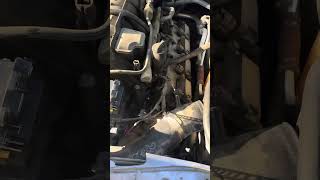
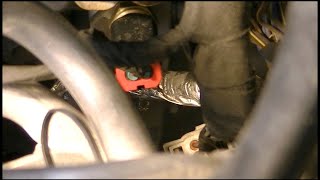
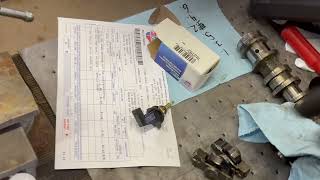
The location depends on your engine. On the 3.6L V6, it is in a tight spot on the back of the engine near the firewall. On V8 engines (5.7L, 6.4L), it is much easier to access, typically located on the front of the engine under the throttle body.
🎬 Watch a step-by-step walkthrough for the 5.7L HEMI engine.How hard is it to replace the ECT sensor myself?
For V8 models, it is a relatively easy job that takes under an hour. For the 3.6L V6, the job is more difficult due to the sensor's location in a very tight space, which can be frustrating for those with large hands. You will lose a small amount of coolant, so have some extra on hand.
Should I buy an OEM Mopar sensor or is an aftermarket one okay?
For a non-critical, simple sensor like the ECT, a quality aftermarket part from a brand like Delphi or Standard Ignition is usually a safe and cost-effective choice. However, many owners stick with Mopar for all sensors to eliminate any chance of compatibility problems.
Are there any recalls for the Challenger ECT sensor?
No. Searches of NHTSA data show no recalls or technical service bulletins (TSBs) specifically for the engine coolant temperature sensor on 2014-2023 Dodge Challenger models.
Helpful Videos


Technical Specifications
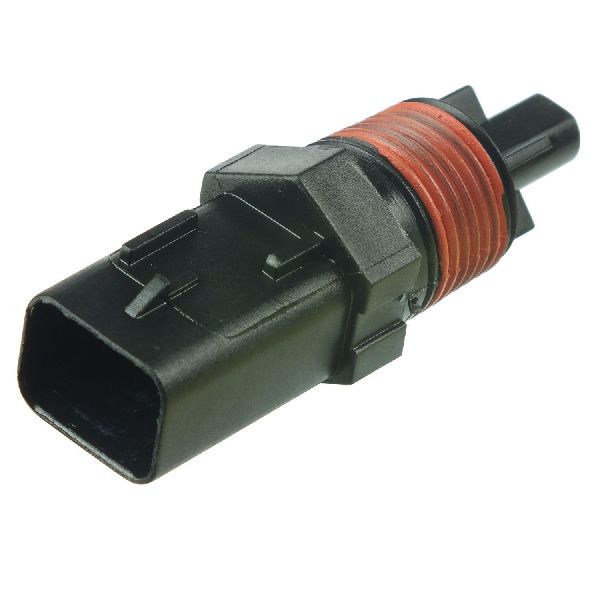
OEM Part Numbers: 68164627AA 5149077AB TX195 TX259
2-pin plug-in connector. Location varies by engine (V6 vs V8). Thread and sealing type may vary on V6 models.
We Have This Part in Stock


The information in this article is provided for general reference and educational purposes only. Vehicle specifications, procedures, and part compatibility can vary by production date, trim level, and region. Always consult your vehicle's factory service manual and verify part numbers before purchasing or performing repairs. Safety-critical components such as airbags, seat belts, and braking systems should be installed by a qualified professional.
- Dodge Challenger: