

Jeep Cherokee Ignition Knock Sensor Guide (2014-2023)
Understand the symptoms of a failing knock sensor in your Jeep Cherokee and how to choose the right replacement part.
- A bad knock sensor will cause a Check Engine Light and put your Jeep in a reduced power mode.
- On the 3.2L V6, the sensors are difficult to access; it is highly recommended to replace both at the same time using quality parts.
- Common trouble codes are P0325 and P0330.
- Premium aftermarket brands like NGK, Delphi, or Standard Ignition offer a reliable alternative to more expensive OEM Mopar parts.
Is a Failing Knock Sensor a Serious Problem?

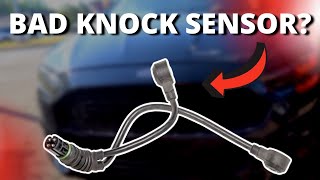
A bad knock sensor on your Jeep Cherokee can cause noticeable issues. When the sensor fails, the engine's computer can't detect engine knock. To protect the engine from possible damage, the computer will enter a 'safe mode'. This significantly reduces engine power and acceleration. You will also see a drop in fuel economy. 🎬 Watch this video to learn more about bad knock sensor symptoms. While the vehicle is still driveable, ignoring a bad knock sensor for a long time can mask a real, damaging engine knock problem.
Choosing the Right Aftermarket Knock Sensor

When replacing the knock sensor on your Cherokee, you have options ranging from OEM (Original Equipment Manufacturer) to various aftermarket brands. Here’s an honest breakdown:
- OEM (Mopar): This is the original part your Jeep was built with. It offers guaranteed fit and performance but comes at the highest price.
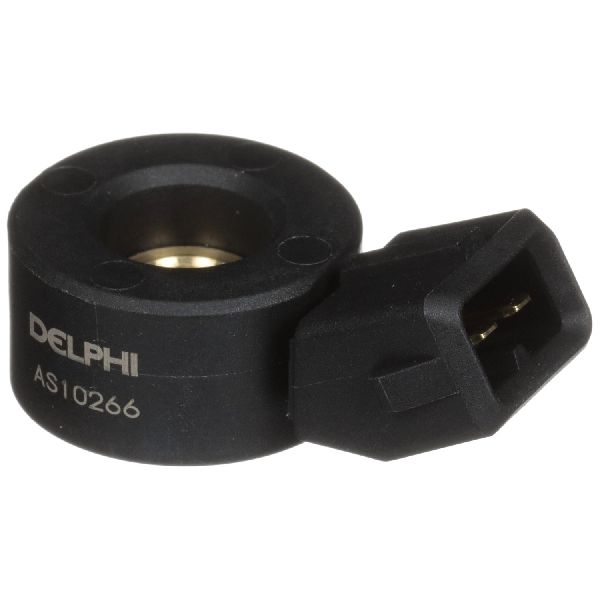
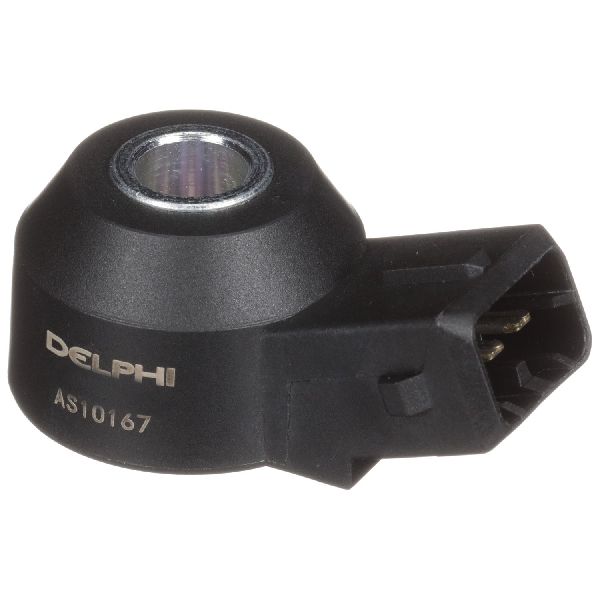
- Premium Aftermarket (e.g., NGK, Delphi, Standard Ignition): Brands like NGK are often the original equipment manufacturer for many vehicle sensors, just sold in a different box. These brands provide OEM-level quality and reliability at a lower cost than the dealer part. They are a solid choice for a dependable repair.
- Mid-Grade Aftermarket (e.g., Dorman, Holstein, Walker Products): These brands offer a balance between cost and quality. However, reviews for some brands like Dorman can be mixed, with some users reporting premature failures or parts being faulty out of the box. While they can be a budget-friendly option, the labor involved in a replacement might make a more reliable brand a better long-term value.
- Value Brands: These are the most affordable options but come with a higher risk of quality control issues. Given the labor required for replacement on many Cherokees, especially the V6, saving a few dollars on the part itself might not be worth the risk of having to do the job twice.
Pro Tip for V6 Owners
The 3.2L V6 engine has two knock sensors located under the intake manifold. Because replacing them is labor-intensive, it is highly recommended to replace both sensors at the same time, even if only one has failed. This saves you from having to pay for the same difficult labor twice if the second sensor fails soon after. Also, use high-quality replacement parts to avoid a repeat job.
Replacement Cost

The cost to replace a knock sensor can vary significantly based on your engine and whether you do it yourself or use a repair shop. The part itself is relatively inexpensive, but labor can be high, especially on the 3.2L V6 where the intake manifold must be removed.
| Item | Estimated Cost |
|---|---|
| Aftermarket Knock Sensor Part | $19 - $173 |
| Shop Labor (2.4L Engine) | $150 - $250 |
| Shop Labor (3.2L V6 Engine) | $233 - $342+ |
| Total Professional Replacement (V6) | $427 - $548+ |
Known Issues, Recalls, and TSBs
As of early 2026, there are no specific recalls for the knock sensor on the 2014-2023 Jeep Cherokee. However, some owners have reported knock sensor codes (like P0325) appearing after related work, such as an oil cooler replacement on the 3.2L V6, which requires removing the intake manifold where the sensors are located. This can happen if the sensor or its wiring is damaged or not reconnected properly during the repair. There have been other recalls for this vehicle generation, but none directly address the knock sensor itself.
Frequently Asked Questions

Where is the knock sensor located on my Jeep Cherokee?
On the 2.4L MultiAir engine, the knock sensor is located on the back of the engine block, underneath the intake manifold. On the 3.2L V6 engine, there are two knock sensors, and they are located in the valley between the cylinder heads, also underneath the intake manifold. Accessing them requires removing the upper intake manifold.
What are the common trouble codes for a bad knock sensor?
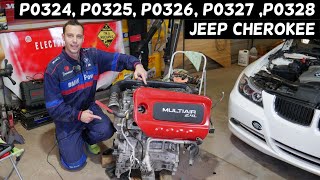
The most common diagnostic trouble codes (DTCs) are P0325 (Knock Sensor 1 Circuit Malfunction, Bank 1) and P0330 (Knock Sensor 2 Circuit Malfunction, Bank 2 - for V6 engines). Other related codes can range from P0324 to P0328, indicating issues with the sensor's circuit performance, 🎬 Learn how to diagnose common Jeep Cherokee knock sensor trouble codes. or low or high input.
Can I replace the knock sensor myself?
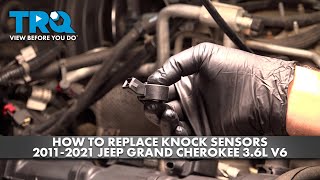
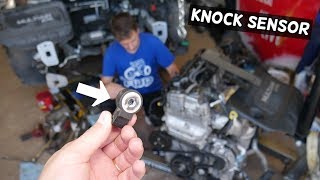
For a DIYer with mechanical experience, replacing the knock sensor is possible. On the 2.4L engine, it is challenging due to its location on the rear of the engine block. 🎬 See how to locate and replace the 2.4L MultiAir knock sensor. On the 3.2L V6, the job is significantly more complex as it requires removing the upper and lower intake manifolds. If you are not comfortable with this level of disassembly, it is best to leave this job to a professional mechanic.
Do I need to use premium fuel if I have a knock sensor code?
Using a higher octane fuel might temporarily reduce engine knock in some cases, but it will not fix a faulty sensor or wiring. The root cause of the diagnostic code needs to be addressed by testing and replacing the faulty component.
Helpful Videos
Technical Specifications
OEM Part Numbers: 68240667AC
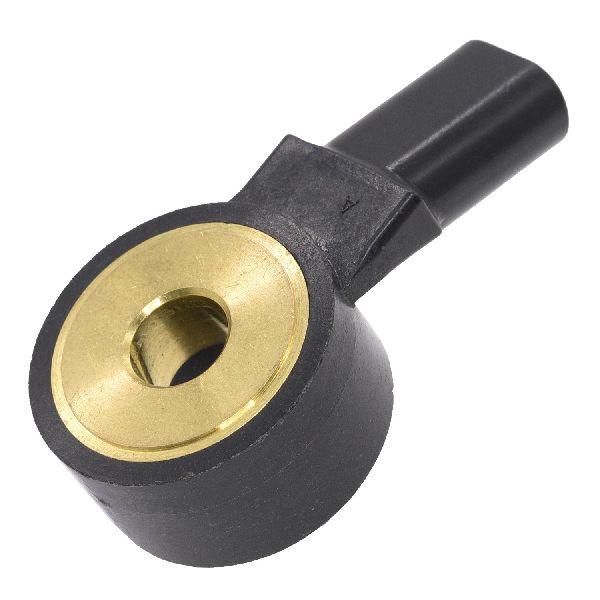
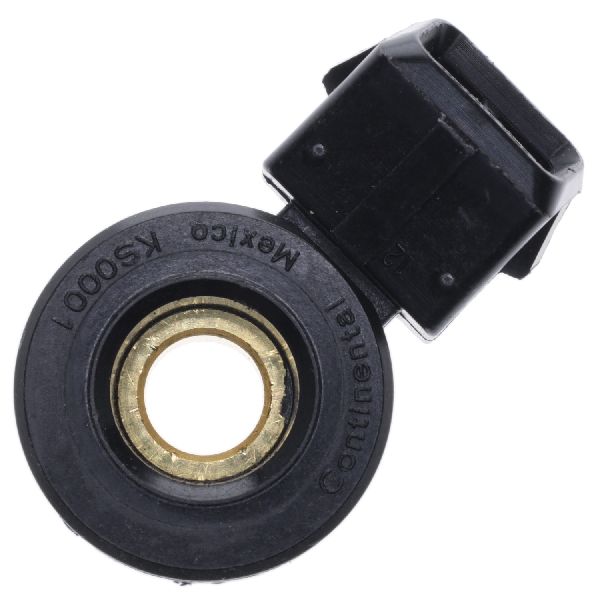
The knock sensor for the 2014-2023 Jeep Cherokee is a piezoelectric sensor designed to detect engine block vibrations within a specific frequency range (up to 1000 Hz). It typically uses a 2-pin female plug-in connector. The 3.2L V6 engine uses two sensors, while the 2.4L 4-cylinder uses one.
We Have This Part in Stock


The information in this article is provided for general reference and educational purposes only. Vehicle specifications, procedures, and part compatibility can vary by production date, trim level, and region. Always consult your vehicle's factory service manual and verify part numbers before purchasing or performing repairs. Safety-critical components such as airbags, seat belts, and braking systems should be installed by a qualified professional.
- Jeep Cherokee: