

Mercedes-Benz C300 (2014-2023) Engine Crankshaft Position Sensor Replacement Guide
Experiencing stalling or starting problems in your C300? A failing crankshaft position sensor is a likely cause.
- A failing crankshaft sensor is a very common cause of stalling and no-start issues in the C300.
- Replacement on 4MATIC models is significantly more difficult and costly than on RWD models due to poor access.
- Choosing an OEM supplier brand like Bosch or Continental is strongly recommended for reliability.
- Symptoms include a cranking engine that won't start, sudden stalling, a check engine light (P0335), and poor acceleration.
Is Your C300 Stalling or Refusing to Start?

A faulty crankshaft position sensor is one of the most common reasons for a Mercedes-Benz C300 to develop no-start or intermittent stalling issues. When this sensor fails, it can no longer provide the engine's computer with the essential information it needs for combustion. The symptoms often start small but can quickly lead to your vehicle being stranded. Because this part is so critical, addressing its failure promptly is important for your car's reliability.
Symptoms of a Failing Crankshaft Position Sensor

The signs of a bad crank sensor are often very clear. You may experience one or more of the following issues:
- Engine Cranks but Won't Start: This is the most definitive symptom. The starter will turn the engine over, but it will never fire up and run.
- Intermittent Stalling: The engine may shut off unexpectedly while you are driving, especially after it has warmed up. This can be a serious safety issue.
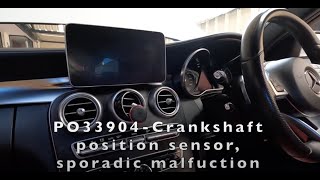
- Check Engine Light: A failing sensor will almost always trigger the Check Engine Light and store a diagnostic trouble code, most commonly P0335 or P0339.
- Rough Idling and Vibration: The engine may run poorly, shake, or vibrate when stopped at idle.
- Poor Acceleration: You might notice a significant lack of power or a sluggish, hesitant response when you press the gas pedal.
4MATIC Models: A Word of Warning on Replacement
The difficulty of this repair depends heavily on whether your C300 is Rear-Wheel Drive (RWD) or 4MATIC (All-Wheel Drive). On 4MATIC models, the front driveshaft, differential, and catalytic converter block access to the sensor. This makes the replacement significantly more complex and expensive, often requiring a professional mechanic to remove these components for access. RWD models are much more straightforward.
Choosing the Right Aftermarket Sensor

For critical electronic sensors on a Mercedes-Benz, part quality matters. While many brands are available, they fall into different quality tiers. Using a low-quality sensor can result in continued performance issues or premature failure.
- Tier 1: OEM / OES Brands: These are the original suppliers to Mercedes-Benz. Choosing one of these brands ensures perfect fitment and reliability. For this part, look for Continental or Bosch. These are the most recommended options for a trouble-free repair.
- Tier 2: Reputable German Aftermarket: Brands like Hella and Vemo (specifically their 'Q+' line) have a strong reputation in the European car community. They are generally considered a reliable alternative to the OEM supplier.
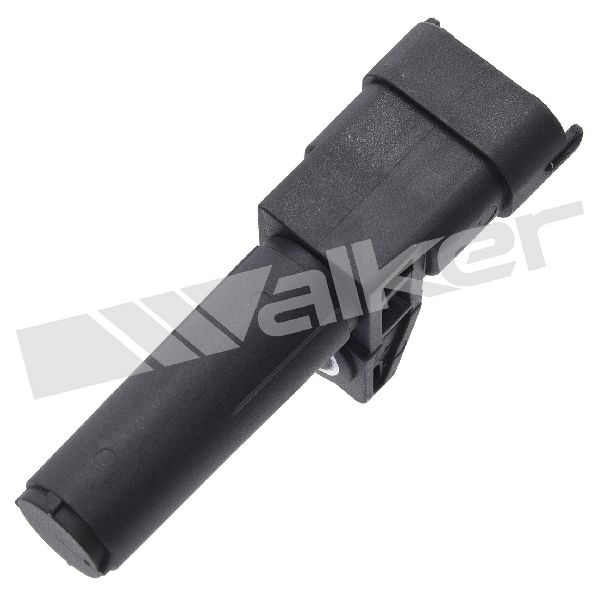
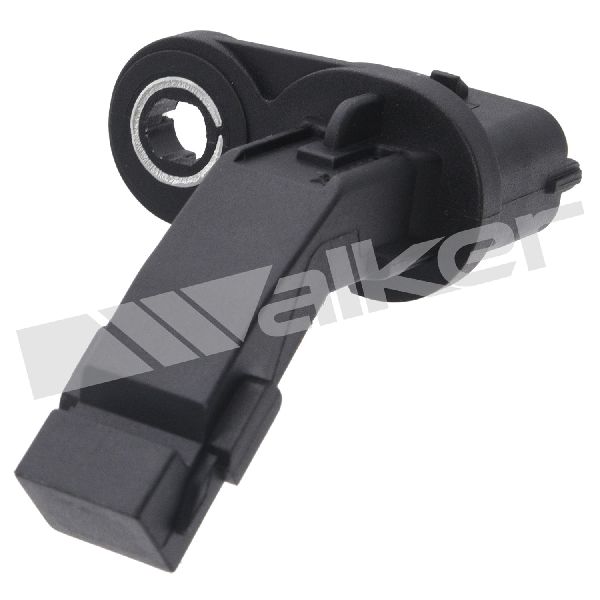
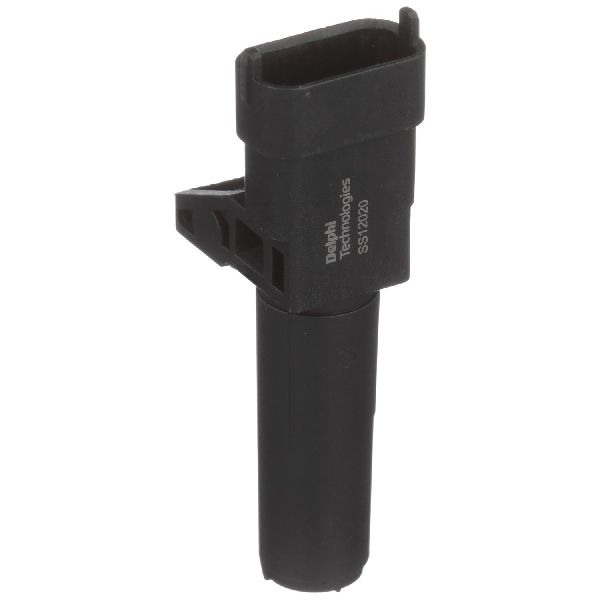
- Tier 3: Standard Aftermarket: This category includes brands like Delphi, Standard Ignition (SMP), Walker Products, Holstein, Bremi, and Facet. While they offer a cost-effective solution, their performance can be inconsistent on sensitive German electronics. Some owners report success, while others experience issues. These are best considered a budget option when OEM or OES parts are not available.
| Part / Service | Estimated Cost (RWD) | Estimated Cost (4MATIC) |
|---|---|---|
| New OEM Sensor | $60 - $110 | $60 - $110 |
| New Aftermarket Sensor | $25 - $90 | $25 - $90 |
| Shop Labor | $150 - $250 | $400 - $1,000+ |
| Total Estimated Cost | $175 - $360 | $425 - $1,110+ |
Note: Costs are estimates and can vary based on your location and the specific repair shop. 4MATIC labor costs are significantly higher due to the need to remove other components for access.
Pro Tip: Check for Related Issues
Before replacing the sensor, inspect the wiring connector for any signs of damage, corrosion, or oil contamination. A bad connection can mimic the symptoms of a failed sensor. Also, be aware of NHTSA Recall 23V-462 for some 2022-2023 C300 4MATIC models, which involves a transmission wiring harness that can chafe and cause a loss of power.
Frequently Asked Questions (FAQ)

Can I drive my C300 with a bad crankshaft sensor?
It is not recommended. The engine may stall at any time, which is a major safety hazard in traffic. If the car won't start, you won't be able to drive it at all.
Is this a difficult DIY job?
For a Rear-Wheel Drive (RWD) model, it is a manageable DIY for someone with mechanical experience. It requires working in a tight space by feel. For a 4MATIC model, it is considered a difficult job that is not recommended for most DIYers due to the need to remove the catalytic converter and potentially the front driveshaft.
Where is the crankshaft position sensor located on the C300?
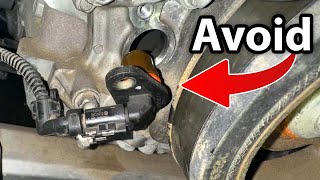
It is located on the driver's side of the engine, at the rear where the engine connects to the transmission bell housing. You will need to access it from underneath the vehicle after removing the underbody panels.
What tools are needed for the replacement?
You will need an E8 external Torx socket, a 1/4-inch drive ratchet, and several long extensions. A flexible or swivel-head ratchet is highly recommended due to the tight access. For 4MATIC models, additional tools will be required to remove the exhaust and other components.
Does the 2014 C300 use the same sensor?
No. The 2014 C300 is part of the previous W204 generation and uses a different engine and part number. While the symptoms of failure are similar, the sensor itself is different. This guide focuses on the W205/W206 generation (2015-2023).
Helpful Videos

Technical Specifications
OEM Part Numbers: 270-905-12-00 A2709051200 A2709050600 A2709051300 A2709050043
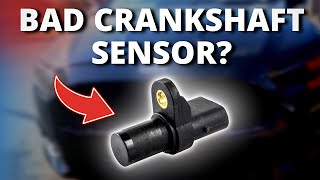
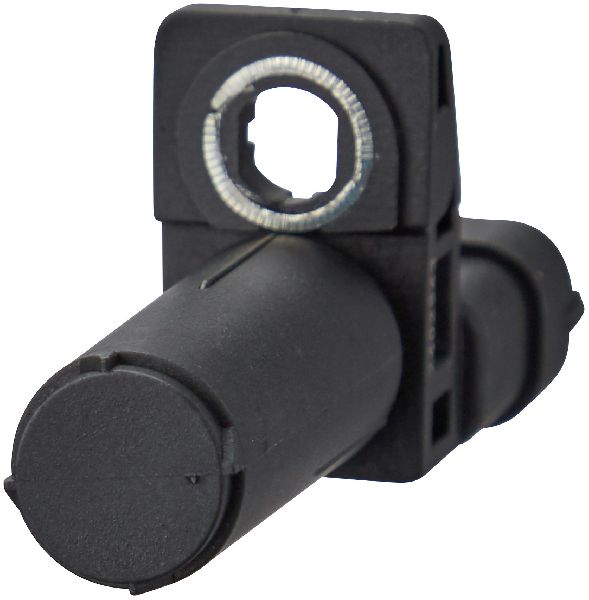
The sensor for the 2015-2023 C300 is a 3-pin Hall Effect sensor. It is typically held in place by one E8 external Torx bolt.
We Have This Part in Stock


The information in this article is provided for general reference and educational purposes only. Vehicle specifications, procedures, and part compatibility can vary by production date, trim level, and region. Always consult your vehicle's factory service manual and verify part numbers before purchasing or performing repairs. Safety-critical components such as airbags, seat belts, and braking systems should be installed by a qualified professional.
- Mercedes-Benz C300: