

BMW X3 (2014-2024) Oxygen Sensor: A Complete Replacement Guide
Fix your check engine light and restore performance by choosing the right oxygen sensor for your X3.
- The most common symptom of a bad oxygen sensor is a check engine light; use a code scanner to confirm the issue.
- For best results and to avoid compatibility issues, use an OEM supplier brand like Bosch or NGK/NTK for your BMW X3.
- Ignoring a faulty oxygen sensor can lead to reduced fuel economy and expensive damage to the catalytic converter.
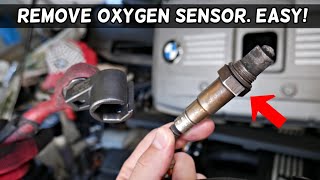
- DIY replacement is possible with a special O2 sensor socket, but rusted sensors can be very difficult to remove.
Is Your BMW X3's Oxygen Sensor Failing?
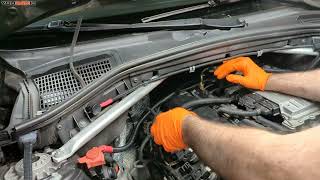
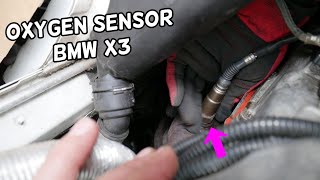
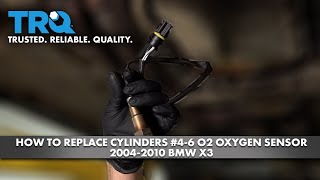
A faulty oxygen (O2) sensor is a common issue on many vehicles, including the BMW X3. These sensors operate in a harsh environment and eventually wear out. When one fails, it can trigger your check engine light and cause noticeable performance problems. 🎬 Watch: Troubleshooting a faulty oxygen sensor on your BMW X3 Ignoring a bad O2 sensor can lead to more expensive repairs down the road, including damage to your catalytic converter.
Key Symptoms of a Bad O2 Sensor
- Check Engine Light: This is the most common sign. Codes like P0136, 12B104, or 120204 often point to an O2 sensor issue.
- Poor Fuel Economy: The engine may run rich, using more fuel than necessary.
- Rough Idle and Misfires: An incorrect air-fuel mixture can cause the engine to run poorly.
- Rotten Egg Smell: A failing sensor can lead to an inefficient catalytic converter, producing a sulfur-like smell from the exhaust.
- Failed Emissions Test: The vehicle will not pass an emissions inspection with a faulty O2 sensor.
Choosing the Right Aftermarket Oxygen Sensor
When replacing an O2 sensor on your X3, you don't have to buy the expensive "Genuine BMW" part. Many aftermarket brands are the original equipment manufacturers (OEM) for BMW, offering the same quality without the dealership markup. Here’s how the brands stack up.
Tier 1: OEM Supplier Brands
These brands manufacture the sensors for BMW. Choosing one of these is like getting the dealer part in a different box. They are the safest and most recommended choice for modern, sensitive BMW electronics.
- Bosch: As the inventor of the automotive oxygen sensor, Bosch is a primary OEM supplier for BMW. They are widely trusted for their quality, performance, and direct-fit connectors, making installation straightforward.
- NGK/NTK: Another top-tier OEM supplier, NTK (the sensor division of NGK) is known for producing high-quality sensors that meet or exceed factory specifications.
- Denso: While also a major OEM supplier, Denso is more commonly found in Japanese vehicles but is still considered a high-quality option for BMWs, often praised for its durability.
Tier 2: Quality Aftermarket Brands
These brands offer a good balance of price and quality. They may not be the original supplier, but they have a solid reputation.
- Delphi: A well-known aftermarket manufacturer that produces reliable electronic components.
- Hella: A German company known for quality electronics and lighting.
- Spectra: Offers a range of automotive parts with generally positive feedback.
Tier 3: Budget Brands
Use caution with budget-focused brands. While the low price is tempting, forum discussions often contain mixed reviews, with some owners reporting premature failures or compatibility issues with BMW's sensitive engine management systems. In some cases, a faulty new part can make diagnosis more difficult.
- DriveWire
- URO Parts
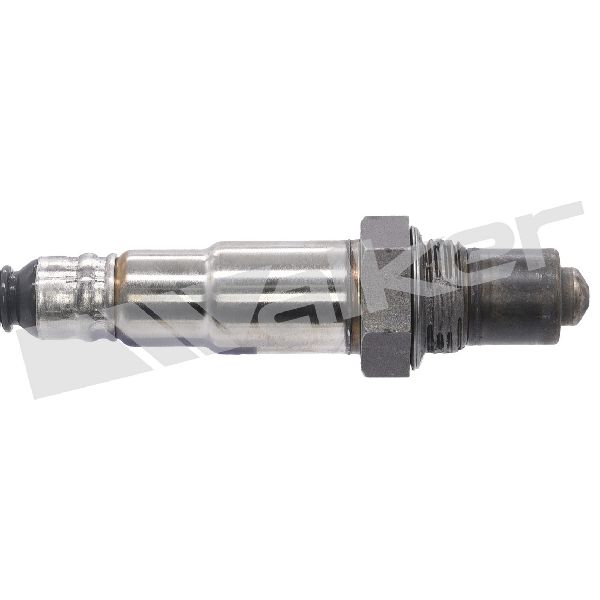
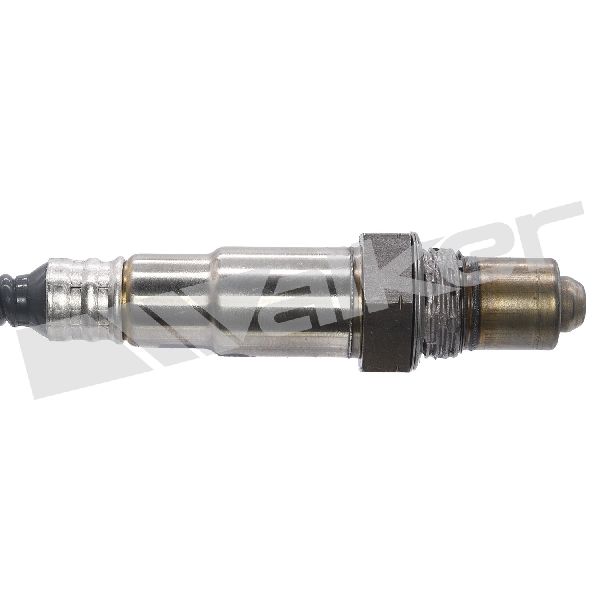
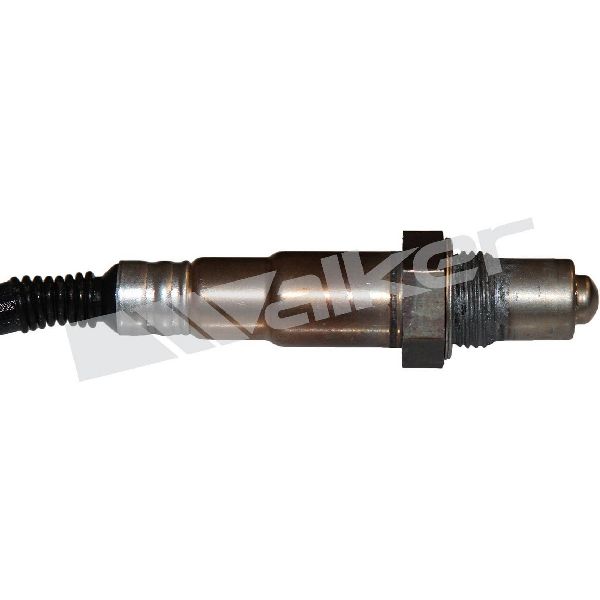
- Walker Products
- Vemo
Pro Tip: For a complex vehicle like the BMW X3, it is highly recommended to stick with Tier 1 OEM supplier brands like Bosch or NGK/NTK. This ensures proper communication with the engine computer and avoids potential compatibility headaches.
Understanding Replacement Costs
The cost to replace an oxygen sensor can vary significantly based on the part brand and labor rates. The provided inventory price range for aftermarket sensors is $69.93 - $273.51.
| Cost Category | Estimated Price Range |
|---|---|
| New Aftermarket Part | $69.93 - $273.51 |
| New OEM Part (Dealer) | $609 - $757 |
| Shop Labor | $243 - $357 |
| Total Professional Replacement (OEM Part) | $852 - $1,114 |
Known Issues, Recalls & TSBs
While there are no widespread recalls specifically for oxygen sensor failure on the 2014-2024 BMW X3, there have been related service bulletins and warranty extensions for certain models and engine types.
- Software Issues: Some TSBs mention software errors that could incorrectly flag an O2 sensor problem or prevent the check engine light from illuminating when a sensor fails. For example, a recall for some 2020 models involved a software error where the OBD system would not light up the MIL for an oxygen sensor heater malfunction.
- Warranty Extension: BMW has issued limited warranty extensions for rear monitoring oxygen sensors on some vehicles with N63T engines to 10 years/120,000 miles. It is important to check with a dealer to see if your specific vehicle identification number (VIN) is covered.
You can check for open recalls on your specific vehicle by entering your VIN on the NHTSA or BMW USA websites.
Frequently Asked Questions (FAQ)
How many oxygen sensors does my BMW X3 have?
Most six-cylinder BMW X3 models (like those with the N52 engine) have four oxygen sensors: two upstream (pre-catalytic converter) and two downstream (post-catalytic converter). Four-cylinder engines will typically have one upstream and one downstream sensor. The upstream sensors are for air-fuel mixture control, while the downstream sensors monitor catalytic converter efficiency.
What tools do I need to replace an O2 sensor?
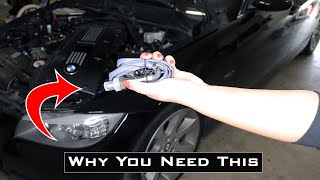
You will need a special tool called an O2 sensor socket, which is a deep socket with a cutout for the sensor's wire. You may also need a ratchet, extensions, and potentially a penetrating oil to help loosen a stubborn, rusted sensor. For some upstream sensors on the X3, you may also need an E8 reverse Torx socket to remove a heat shield or bracket.
Is it hard to replace an O2 sensor on a BMW X3?
The difficulty varies by location. Downstream sensors are generally easier to access from under the vehicle. Upstream sensors, located on the exhaust manifold, can be more difficult to reach, sometimes requiring the removal of engine covers or other components for access. Rust can make removing the old sensor the hardest part of the job.
Should I replace all oxygen sensors at once?
It is not always necessary. You should replace the specific sensor that has failed, which can be identified by the diagnostic trouble code. However, if your vehicle has high mileage (over 100,000 miles) and one sensor fails, the others may not be far behind. Replacing them in pairs (e.g., both upstream sensors) can be a good preventative measure.
What is the difference between an upstream and downstream sensor?
The upstream sensor (also called Bank 1 Sensor 1 or Bank 2 Sensor 1) is located before the catalytic converter. It measures the raw exhaust gas and provides fast feedback to the engine computer to adjust the air-fuel ratio. The downstream sensor (Bank 1 Sensor 2 or Bank 2 Sensor 2) is located after the catalytic converter and its main job is to ensure the converter is working correctly. They are not interchangeable.
Helpful Videos
Technical Specifications
Varies by engine and model year. Most models use heated, 4 or 5-wire sensors. Upstream sensors are often wideband, while downstream are narrowband. It is critical to order the correct part for your specific vehicle's VIN, engine, and sensor location (upstream/downstream, bank 1/bank 2).
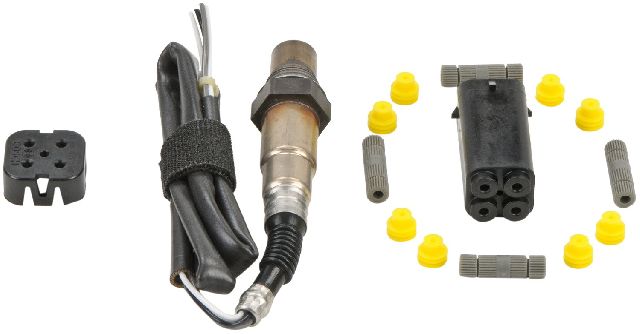
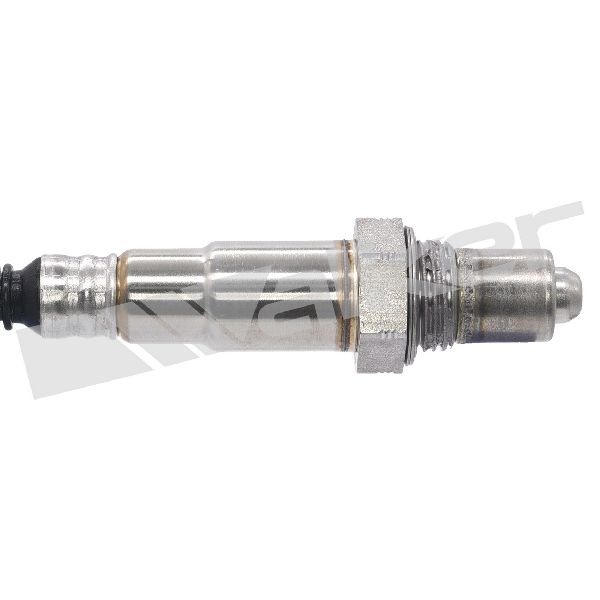
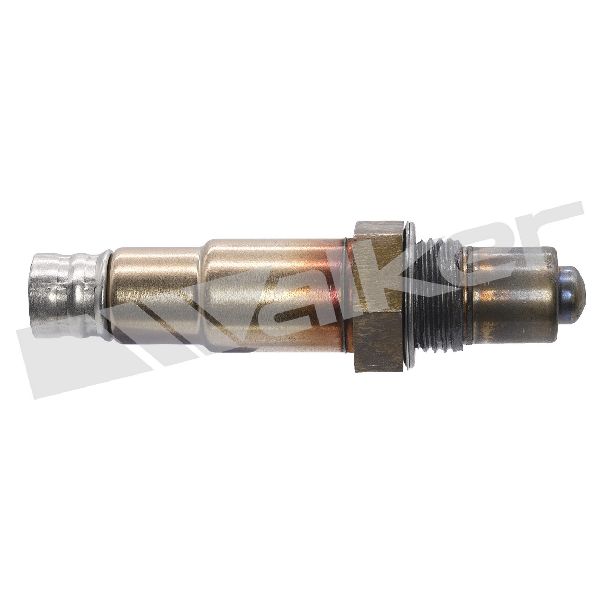
We Have This Part in Stock

The information in this article is provided for general reference and educational purposes only. Vehicle specifications, procedures, and part compatibility can vary by production date, trim level, and region. Always consult your vehicle's factory service manual and verify part numbers before purchasing or performing repairs. Safety-critical components such as airbags, seat belts, and braking systems should be installed by a qualified professional.
- BMW X3:
- 🎬 Helpful Videos
- 🛍️ Shop This Part
- Is Your BMW X3's Oxygen Sensor Failing?
- Key Symptoms of a Bad O2 Sensor
- Choosing the Right Aftermarket Oxygen Sensor
- Tier 1: OEM Supplier Brands
- Tier 2: Quality Aftermarket Brands
- Tier 3: Budget Brands
- Understanding Replacement Costs
- Known Issues, Recalls & TSBs
- Frequently Asked Questions (FAQ)
- 🎟️ Get 5% Off