

Ford Escape Engine Valve Lifter Diagnosis and Replacement Guide (2014-2024)
Hearing a ticking noise from your Escape's engine? Here’s what you need to know about failing valve lifters.
- A ticking noise on an Escape EcoBoost engine isn't always a bad lifter; it could be a normal sound from the fuel system.
- Be aware of major known issues like coolant intrusion on 1.5L/2.0L engines, which can cause lifter failure.
- Lifter replacement is a major, labor-intensive repair; always use quality parts like Melling or Sealed Power and replace them as a full set.
- Ignoring a failing lifter can lead to severe and much more expensive engine damage, including a ruined camshaft.
Is That Ticking Noise a Bad Lifter?

A rhythmic ticking sound that gets faster as you accelerate is a classic symptom of a failing valve lifter. However, the EcoBoost engines in many 2014-2024 Ford Escapes are known for being generally noisy. Normal sounds, like the ticking of the high-pressure fuel pump or the evaporative purge valve, can sometimes be mistaken for a lifter problem. A true lifter tick is usually most noticeable on a cold start and comes from the top part of the engine. If the noise doesn't change with engine RPM, it might be another component like the purge valve.
Known Issues on 2014-2024 Ford Escape Engines
Before replacing lifters, be aware of serious known issues with certain engines that can cause similar symptoms or lead to lifter failure:
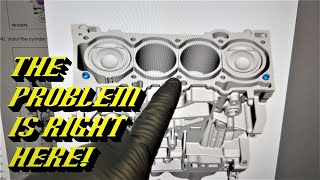
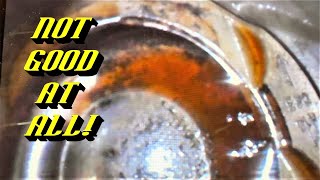
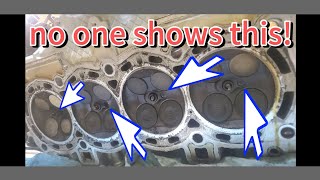
- 1.5L & 2.0L EcoBoost Coolant Intrusion: Certain model years (notably 2017-2019, but potentially others) have a known engine block design flaw that can allow coolant to leak into the cylinders. This contaminates the engine oil, which can starve the valve lifters of proper lubrication and cause them to fail. Symptoms include coolant loss with no visible leak and engine overheating. This is a major engine failure that requires more than just lifter replacement. Ford has issued technical service bulletins (TSBs) 🎬 See why these EcoBoost engines suffer from constant coolant loss. regarding this issue.
- 1.6L EcoBoost Cylinder Head Cracks: A recall (17S09) was issued for some 2014 Escapes with the 1.6L engine. A lack of coolant could cause the cylinder head to overheat and crack, leading to an oil leak and potential fire risk. This condition also destroys the engine oil's ability to protect parts like lifters.
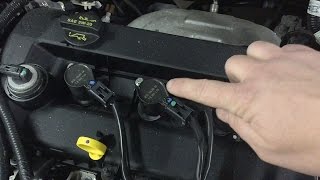
- 2.5L Engine Block Cracks: Some 2.5L engines can develop a knocking or tapping noise that sounds like a valvetrain problem but is actually caused by a crack in the cylinder block between cylinders. 🎬 Watch: Hear what a cracked 2.5L engine block sounds like. This is often misdiagnosed, so a thorough inspection is critical.
Choosing the Right Aftermarket Lifters

When replacing valve lifters, it's a job you only want to do once. The cost is almost entirely labor, so using quality parts is essential. For the Ford Escape, Melling and Sealed Power are two common aftermarket brands available.
- Melling: Melling is a highly respected brand in the aftermarket, particularly for valvetrain and oiling system components. They are often considered a premium-quality choice, and some forum users seek them out for their reputation and domestic manufacturing on certain product lines. For a critical, labor-intensive job like this, Melling is a solid choice for peace of mind.
- Sealed Power: As a brand under Federal-Mogul, Sealed Power is another long-standing, reputable name in the engine parts industry. They provide reliable, OE-quality replacement parts that meet or exceed original specifications. They are a dependable, standard replacement option for a stock engine repair.
Pro-Tip: Always replace valve lifters as a complete set. Since the labor to access them is the same, it makes no sense to only replace the one that failed. The others have the same amount of wear and may fail soon after.
Cost to Replace Ford Escape Valve Lifters

Replacing valve lifters is a labor-intensive job that requires significant engine disassembly, including removing the valve covers and camshafts. The parts themselves are not the expensive part of the repair; the shop labor is.
| Part/Service | Estimated Cost |
|---|---|
| Shop Labor | $950 - $2,500+ |
| New Aftermarket Lifters (Full Set) | $200 - $400 |
| New OEM Lifters (Full Set) | $300 - $600 |
| Total Estimated Cost | $1,150 - $3,100+ |
Frequently Asked Questions (FAQ)

Can I drive my Escape with a bad valve lifter?
You can, but it's not recommended for long. A collapsed or stuck lifter can cause further damage to other expensive parts, like the camshaft or engine valves, turning a costly repair into a catastrophic one. It's best to get it inspected as soon as possible.
Should I replace all the lifters at once?
Yes, absolutely. All the lifters in your engine have experienced the same conditions and mileage. If one has failed, others are likely worn as well. Since the majority of the repair cost is labor to access the lifters, replacing the full set is the only way to ensure a lasting repair.
Will an oil additive or engine flush fix a noisy lifter?
Sometimes, if the ticking is caused by a small piece of dirt or sludge, an engine flush or a high-quality oil additive might free it up temporarily. However, this is not a permanent fix. If the lifter is mechanically worn or collapsed, no additive will repair it. It's a temporary measure at best.
Is lifter replacement a DIY job?
For most people, no. Replacing lifters on an OHC engine like those in the Escape requires removing the valve covers, timing components, and camshafts. It requires special tools, a good understanding of engine mechanics, and precise reassembly. This job is best left to a professional mechanic.
🎬 Watch: See the complexity of a full EcoBoost engine replacement.Helpful Videos
Technical Specifications
The engines in the 2014-2024 Ford Escape use hydraulic lash adjusters (HLAs), which are the overhead cam (OHC) equivalent of a traditional valve lifter.
We Have This Part in Stock


The information in this article is provided for general reference and educational purposes only. Vehicle specifications, procedures, and part compatibility can vary by production date, trim level, and region. Always consult your vehicle's factory service manual and verify part numbers before purchasing or performing repairs. Safety-critical components such as airbags, seat belts, and braking systems should be installed by a qualified professional.
- Ford Escape: