

Ford Mustang Engine Valve Lifter and Ticking Noise Guide (2014-2024)
Is your Mustang engine ticking? Here's what you need to know before you buy parts.
- First, determine if you have the normal 'Coyote Tick' on a V8, which does not require repair, or a genuine lifter failure.
- Confirm your engine type; 2.3L EcoBoost models do not use traditional lifters and require different diagnostics.
- Replacing lifters is a complex and expensive job; it is critical to replace them all as a set to avoid future failures.
- Continuing to drive with a severely failed or collapsed lifter can lead to catastrophic engine damage.
Understanding Your Mustang's Engine Noise
A ticking sound from the engine is one of the most common concerns for 2014-2024 Ford Mustang owners, especially those with the 5.0L Coyote V8. However, not all ticks mean a part has failed. It's important to understand the difference between a normal engine characteristic and a genuine problem before you start buying parts.
Pro Tip: Know Your Engine
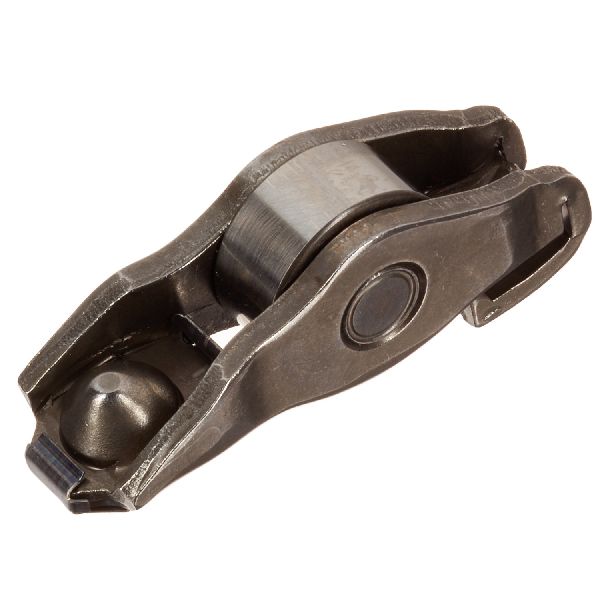
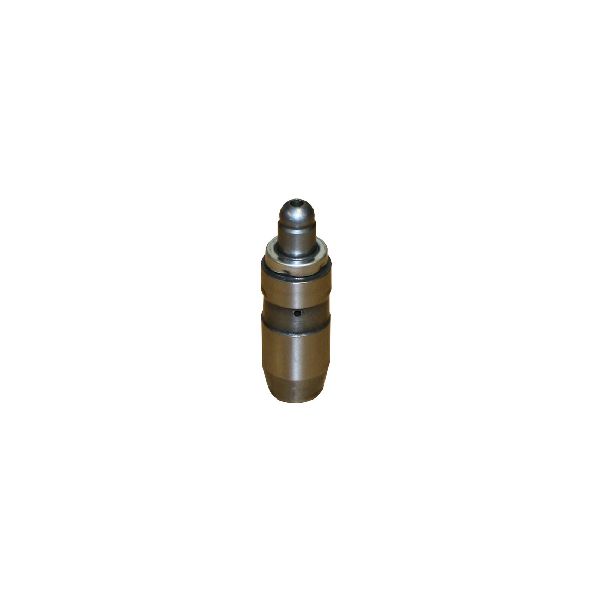
The valvetrain design is very different between Mustang engines. The 5.0L Coyote V8 and the previous 3.7L V6 use hydraulic roller lifters. The 2.3L EcoBoost four-cylinder engine does not use lifters; it uses solid mechanical bucket tappets to actuate its valves. Ticking noises on an EcoBoost are often from the high-pressure fuel system and are considered normal. This guide focuses on the hydraulic lifters found in the V8 and V6 models.
Warning: The Normal "Coyote Tick"
Many 5.0L V8 engines from 2011-2021 exhibit a light, rhythmic ticking sound often called the "Typewriter Tick." This noise is most common at idle after the engine is warm. Ford has released a Special Service Message (SSM 49761) stating this is a normal operating characteristic of the engine and does not affect performance or reliability. Ford states that no repairs should be attempted for this specific sound. It is often heard best from the wheel well or near the transmission bell housing.
Symptoms of a Failing Lifter
If the noise you hear is louder than a light typewriter tick, or if it's accompanied by other issues, you may have a failing lifter. A bad lifter fails to hold oil pressure, creating excessive space in the valvetrain.
- Loud Tapping or Clacking: A distinct tapping noise from the top of the engine that increases in speed with RPM. A completely collapsed lifter will be much louder and more metallic.
- Rough Idle and Misfires: A bad lifter can prevent a valve from opening or closing properly, leading to a rough-running engine and misfires.
- Check Engine Light: A significant misfire will trigger the Check Engine Light. You may see a random misfire code like P0300 or a code for a specific cylinder.
- Loss of Power: If the valves are not opening correctly, your Mustang will feel sluggish and less powerful.
Choosing the Right Aftermarket Lifters
When replacing lifters, it is highly recommended to replace all of them at once, not just the one that failed. Since the labor is intensive, you want to ensure you use quality parts. Here is a breakdown of common aftermarket brand tiers.
Tier 1: OEM Quality
Brands like INA are often original equipment manufacturers for many automakers. Choosing a brand like this gives you a part that is built to the same specifications and quality as the one your Mustang came with from the factory.
Tier 2: Proven Aftermarket
Melling and Sealed Power are well-respected names in the engine parts industry. Melling is particularly known for oiling and valvetrain components, while Sealed Power has a long history of providing reliable engine rebuild parts. These brands offer a great balance of quality and value for Mustang owners.
Tier 3: Standard Replacement
Brands like CRP provide reliable, standard-quality parts that meet or exceed original specifications. They are a dependable choice for a daily-driven vehicle that needs to get back on the road without the higher cost of OEM-tier parts.
Cost to Replace Ford Mustang Valve Lifters
| Item | Estimated Cost |
|---|---|
| New OEM Lifters (Set of 32 for V8) | $600 - $1,200 |
| New Aftermarket Lifters (Set of 32 for V8) | $210 - $1,700 |
| Shop Labor | $1,000 - $2,400 |
| Total Replacement Cost | $1,210 - $4,100+ |
Note: Costs are estimates and can vary based on your location, the specific parts chosen, and your vehicle's engine. The V8 requires 32 lifters, while the V6 requires 24.
Frequently Asked Questions
Is the "Coyote Tick" a serious problem?
According to Ford, the light "Typewriter Tick" is a normal characteristic of the 5.0L engine and is not a sign of a mechanical problem. However, if the noise is a loud knock or is accompanied by performance issues, it should be diagnosed by a professional.
Can I just replace one bad lifter?
It is strongly recommended to replace all lifters as a complete set. They wear at a similar rate, and the labor involved is too extensive to risk having to do the job again if another old lifter fails.
Does my 2.3L EcoBoost Mustang have engine lifters?
No. The 2.3L EcoBoost engine uses a different valvetrain design with solid bucket tappets, not hydraulic lifters. Ticking noises in these engines are common and usually come from the high-pressure fuel pump or injectors.
Can using a different oil or additive quiet a noisy lifter?
Sometimes, a ticking noise can be caused by dirty oil or minor sludge buildup restricting oil flow. Some owners report temporary success using an engine flush before an oil change or using additives like Liqui Moly Cera Tec. While this can sometimes help a sticky lifter, it will not fix a mechanically failed or collapsed lifter.
Technical Specifications
Engine application is critical. The 5.0L V8 and 3.7L V6 use hydraulic roller lifters. The 2.3L EcoBoost uses solid mechanical bucket tappets.
We Have This Part in Stock


The information in this article is provided for general reference and educational purposes only. Vehicle specifications, procedures, and part compatibility can vary by production date, trim level, and region. Always consult your vehicle's factory service manual and verify part numbers before purchasing or performing repairs. Safety-critical components such as airbags, seat belts, and braking systems should be installed by a qualified professional.
- Ford Mustang:
- 🛍️ Shop This Part
- Understanding Your Mustang's Engine Noise
- Pro Tip: Know Your Engine
- Warning: The Normal "Coyote Tick"
- Symptoms of a Failing Lifter
- Choosing the Right Aftermarket Lifters
- Tier 1: OEM Quality
- Tier 2: Proven Aftermarket
- Tier 3: Standard Replacement
- Cost to Replace Ford Mustang Valve Lifters
- Frequently Asked Questions
- 🎟️ Get 5% Off