

GMC Canyon Engine Coolant Temperature Sensor: A Complete Guide (2014-2024)
Understanding the signs of a failing engine coolant temperature sensor in your 2014-2024 GMC Canyon and how to choose the right replacement.
- A P0128 code on a GMC Canyon is often the thermostat, not the sensor. It's best to replace both at the same time.
- Replacement on the 3.6L V6 engine is very difficult and may require special tools; professional repair is recommended for most owners.
- Stick with high-quality brands like ACDelco, Bosch, or Delphi. The small cost savings of a budget part are not worth the risk of repeat labor.
- Check for Technical Service Bulletins (TSBs) like 17-NA-390, as your issue might be fixed with a simple software update.
Is Your GMC Canyon's Coolant Temp Sensor Failing?

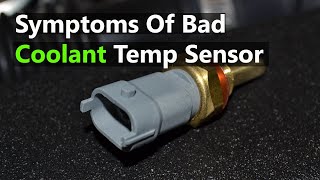
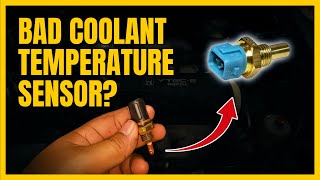
A bad engine coolant temperature (ECT) sensor can cause a surprising number of problems in your truck. Because the sensor's reading affects so many engine functions, a false signal can lead the computer to make poor decisions. This can result in poor performance, bad fuel mileage, or even cause the engine to run in a fail-safe mode where the cooling fans run constantly.
Common Symptoms of a Bad ECT Sensor
- Check Engine Light: This is often the first sign. Common trouble codes include P0117, P0118, P0128, and P111E.
- Poor Fuel Economy: If the sensor sends a false 'cold' signal, the engine will run a rich fuel mixture, wasting gas.
- Black Smoke from Exhaust: A very rich fuel mixture can result in unburnt fuel burning in the exhaust, creating black smoke.
- Cooling Fans Run Constantly or Not At All: As a fail-safe, the truck's computer may run the fans continuously if it receives a bad signal from the sensor.
- Engine Overheating: If the fans don't turn on when they should, the engine can overheat. Conversely, the gauge may show an overheat condition when the engine is fine.
- Rough Idle: An incorrect fuel mixture can cause the engine to run poorly or hesitate.
A Note on Code P0128
The trouble code P0128 (Coolant Temperature Below Thermostat Regulating Temperature) is very common on the GMC Canyon. While this can be caused by a faulty sensor, it is very often caused by a thermostat that is stuck open. Many owners replace the sensor only to have the code return. Due to the difficult replacement process on some engines, it is highly recommended to replace the thermostat and sensor at the same time.
Choosing the Right Aftermarket Sensor

When it comes to critical sensors, quality matters. For the GMC Canyon, the difficulty of replacement on some engines makes it crucial to use a high-quality part to avoid doing the job twice. Here’s a breakdown of brand quality:
- OEM-Identical (Tier 1): ACDelco is the original equipment manufacturer for GM. Choosing an ACDelco part is the safest bet for a perfect fit and correct electronic readings. This should be your first choice.
- Premium Aftermarket (Tier 2): Brands like Bosch, Delphi, and NGK/NTK are also major OEM suppliers and produce high-quality sensors that are widely trusted. These are excellent alternatives if ACDelco is not available.
- Standard Aftermarket (Tier 3): Brands such as Standard Ignition (SMP), Walker Products, and Holstein offer reliable parts that meet or exceed OEM specifications and are a solid choice.
- Economy Brands: While budget-friendly, store brands or lesser-known options can be a gamble. Given the sensor's importance and the potential labor involved in replacement, saving a few dollars on the part itself is generally not recommended for this specific job.
Pro Tip: Check for TSBs
General Motors issued Technical Service Bulletin (TSB) 17-NA-390 for some 2018 models with the 3.6L engine that were setting a P111E code. The fix was an ECM software update, not a new sensor. Before replacing parts, check with a dealer or professional shop to see if any software updates apply to your truck's VIN.
Cost of Replacing a GMC Canyon ECT Sensor
| Item | Estimated Cost |
|---|---|
| New Aftermarket Sensor | $10 - $42 |
| New OEM (ACDelco) Sensor | $35 - $80 |
| Shop Labor | $100 - $450+ |
Note: Labor costs vary significantly based on your engine. The 3.6L V6 and 2.5L I4 have very difficult-to-access sensors, leading to higher labor charges.
Frequently Asked Questions

Where is the ECT sensor located on my GMC Canyon?
Location varies by engine. On the 3.6L V6 (2015-2022), it is notoriously difficult to reach, located deep in the engine valley behind the thermostat housing. On the 2.5L I4, there are two sensors; one on the thermostat and a critical one on the back of the cylinder head that is also very hard to access. On older models like the first generation, it's typically on the side of the engine block. Always consult a repair guide for your specific engine.
Can I replace the ECT sensor myself?
For an experienced DIY mechanic, yes. However, for the 2015-2022 3.6L V6, the job is considered difficult due to the sensor's location. It requires removing other components and often special tools or modified sockets to reach the sensor. If you are not comfortable with complex repairs, this job is best left to a professional.
Do I need to drain the coolant to replace the sensor?
Yes. The sensor is threaded into a coolant passage. If you do not drain the coolant below the level of the sensor, it will spill out when the old sensor is removed. Have your new sensor ready for a quick swap to minimize coolant loss if you choose not to drain the system completely.
My check engine light is on for the ECT sensor, but my truck runs fine. What should I do?
Do not ignore it. The ECM may be compensating for the bad signal, but this can lead to long-term issues like poor fuel economy, carbon buildup, and potential damage to the catalytic converter. It's also possible the cooling fans are not operating correctly, which puts you at risk of overheating. Get it diagnosed and fixed promptly.
Helpful Videos
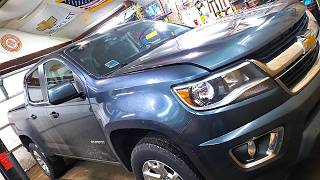
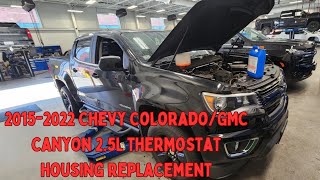
Technical Specifications
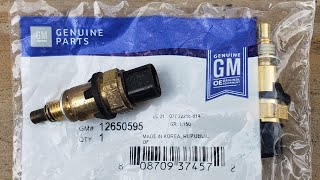
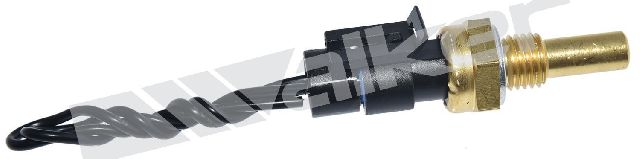
OEM Part Numbers: 12656444 12650595 213-4514
2-pin male blade terminal connector. Threaded brass body. Specific resistance curve designed for GM engine management systems.
We Have This Part in Stock



The information in this article is provided for general reference and educational purposes only. Vehicle specifications, procedures, and part compatibility can vary by production date, trim level, and region. Always consult your vehicle's factory service manual and verify part numbers before purchasing or performing repairs. Safety-critical components such as airbags, seat belts, and braking systems should be installed by a qualified professional.
- GMC Canyon: