

A Guide to Spark Plugs for the 2014-2024 Hyundai Elantra
Choosing the right spark plugs can prevent common misfires and keep your Elantra's engine running efficiently.
- Misfire codes (P0300-P0304) on an Elantra are often caused by a bad ignition coil, not just the spark plug. It's best to inspect coils when changing plugs.
- For best results and longevity, choose Iridium spark plugs from OEM-quality brands like NGK or Denso.
- Owners of 2017 Elantras with the 2.0L engine should be aware of TSB #20-FL-001H, which addresses misfire issues with a software update and coil inspection.
- Replacing spark plugs is a simple, low-cost DIY job that can be completed in under an hour with basic tools.
Symptoms of Failing Spark Plugs

When your Elantra's spark plugs are wearing out, your car will tell you. The signs are often subtle at first but will get worse over time. A failing spark plug can't create a strong enough spark to burn all the fuel in the cylinder, leading to a misfire.
- Rough Idle: The engine may shake or vibrate more than usual when you're stopped.
- Poor Acceleration: The car may feel sluggish or hesitant when you press the gas pedal.
- Reduced Fuel Economy: You'll notice you're filling up the gas tank more often. A bad plug can decrease MPG by up to 30%.
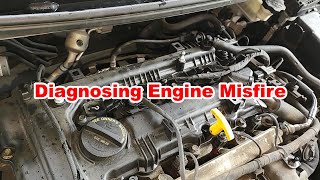
- Check Engine Light: A misfire will almost always trigger the check engine light. Common codes include P0300 🎬 Watch: Easy way to diagnose engine misfire codes (random misfire) or P0301, P0302, P0303, P0304 for misfires in specific cylinders.
- Trouble Starting: The engine may take longer to crank over before it starts.
A Note on Ignition Coils
For the 2014-2024 Elantra, misfire issues are very frequently caused by failing ignition coils, not just the spark plugs. Many owners and mechanics find that replacing the ignition coil for the misfiring cylinder solves the problem. It is standard practice to replace the spark plug at the same time you replace a coil. If you have persistent misfire codes, it is wise to inspect the ignition coils as the primary suspect.
Known Issues and Service Bulletins

While there are no recalls specifically for spark plugs, Hyundai issued a Technical Service Bulletin (TSB 20-FL-001H) for some 2017 Hyundai Elantra models with the 2.0L engine. This TSB addresses engine misfires (codes P0300-P0304) and involves a potential software update for the engine computer (ECM) and inspection and replacement of older-style ignition coils. If you own a 2017 model with these symptoms, this TSB is highly relevant.
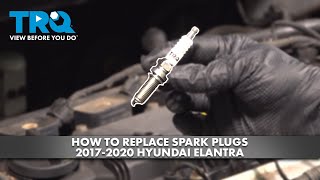
🎬 Watch: How to replace spark plugs on 2017-2020 modelsChoosing the Right Aftermarket Spark Plugs

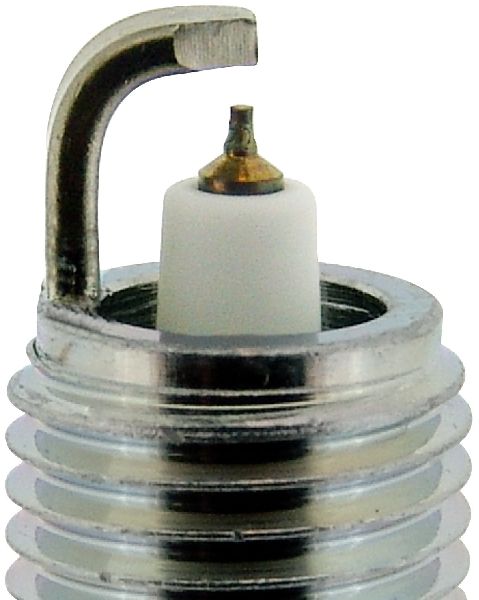
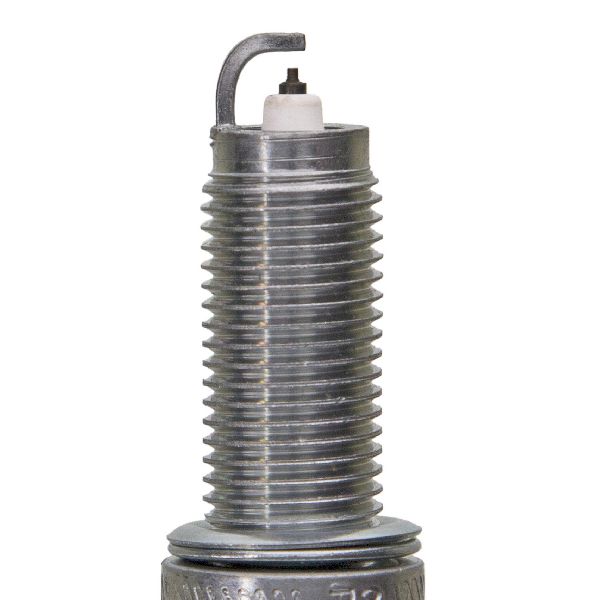
The original spark plugs in your Elantra were likely made by NGK or Denso. When shopping for aftermarket parts, sticking with these brands is the safest bet for quality and compatibility. The plugs are generally categorized by the metal used on their electrode tip, which affects performance and lifespan.
Brand Quality Tiers
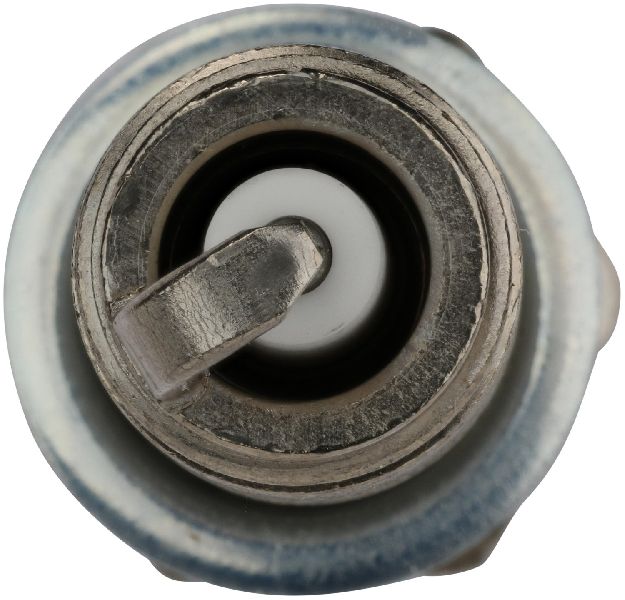
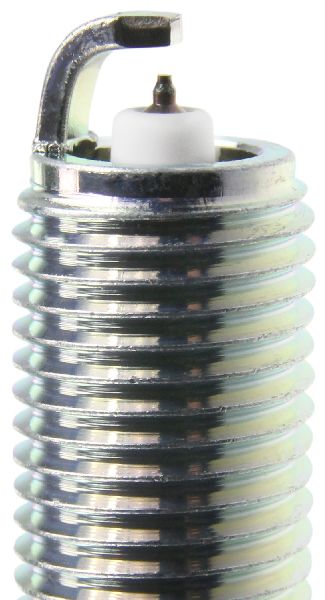
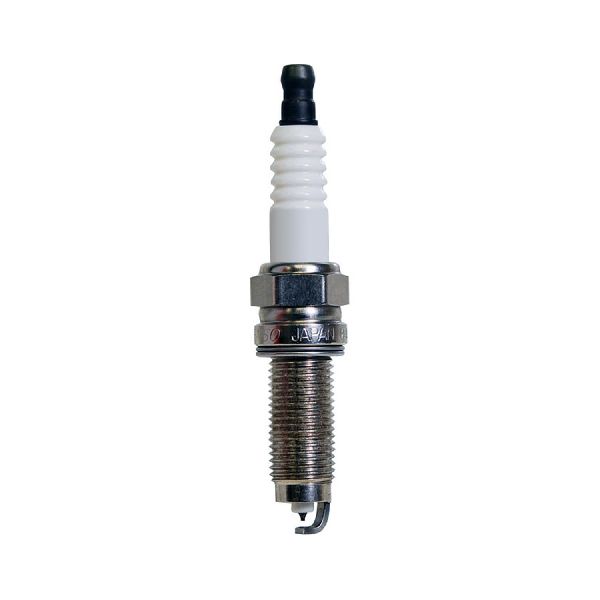
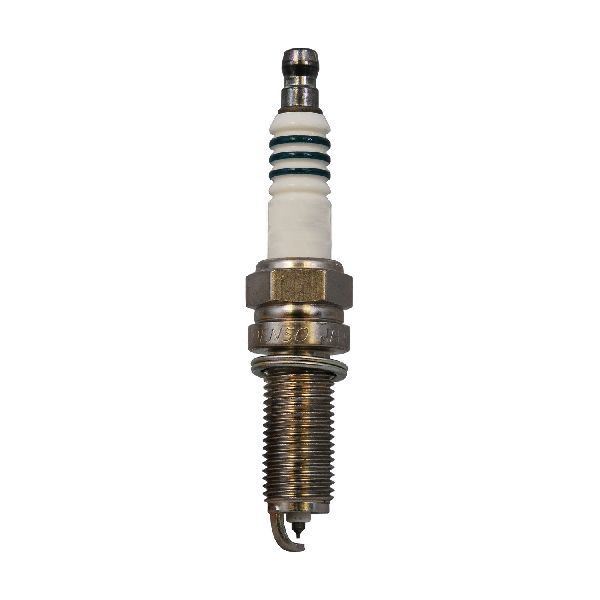
- Top Tier (OEM Quality): NGK and Denso are the most recommended brands for any Hyundai. Their Iridium IX, Laser Iridium, and Iridium Power series are excellent choices that meet or exceed the original parts' performance. You can't go wrong with these.
- Mid-Grade (Good Value): Bosch and Champion offer reliable spark plugs that are often more affordable than NGK or Denso. Some Elantra owners have used Bosch Iridium plugs with good results. Champion is sometimes used as an original equipment supplier. These are solid choices if the top-tier brands aren't available.
- Economy (Budget-Focused): Brands like Autolite and Skyward fall into the budget category. While some users report no issues with Autolite plugs, others note faster wear compared to NGK. These can work if you're on a tight budget, but expect to replace them more frequently.
Estimated Replacement Costs
The cost to replace spark plugs can vary based on the parts you choose and whether you do the job yourself.
| Item | Estimated Cost |
|---|---|
| Aftermarket Spark Plugs (Set of 4) | $17 - $125 |
| Shop Labor | $75 - $150 |
| DIY Total | $17 - $125 |
| Shop Total | $92 - $275 |
Frequently Asked Questions (FAQ)

How often should I change my Elantra's spark plugs?
It depends on the type of plug. Standard copper plugs should be changed every 30,000 miles. Platinum plugs last around 60,000 miles. Iridium plugs, which are recommended, can last from 90,000 to over 100,000 miles. Always check your owner's manual for the specific interval for your engine.
Is replacing the spark plugs a DIY job?
Yes, for the 2014-2024 Elantra, this is a very straightforward DIY task. It requires basic tools like a socket wrench, an extension, and a 5/8" spark plug socket. The job can typically be done in under an hour.
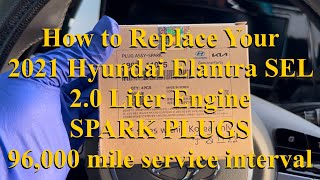
🎬 See this 1.8L spark plug replacement walkthroughDo I need to gap the new spark plugs?
Most Iridium and Platinum plugs come pre-gapped. However, it is always a good idea to verify the gap with a feeler gauge or gapping tool before installation. An incorrect gap can cause misfires and poor performance. Be very careful not to damage the fine iridium tip when checking or adjusting the gap.
Should I replace all spark plugs at once?
Yes. Even if only one plug has failed, they have all been subjected to the same conditions. Replacing them all at the same time ensures consistent performance and saves you from having to do the same job again in a few months.
What is the difference between NGK, Denso, Bosch, and Champion?
NGK and Denso are Japanese brands known for being original equipment suppliers to Hyundai and other Asian automakers; they are considered the gold standard. Bosch is a German company that also makes high-quality iridium plugs. Champion is an American brand that produces reliable plugs and is sometimes used as OEM equipment. For an Elantra, NGK or Denso are the most recommended choices.
Helpful Videos
Technical Specifications
OEM Part Numbers: 18849-09085 18846-10060 18847-08190 27300-2E601 (Ignition Coil)
Socket Size: 5/8 inch (16mm). Material: Iridium recommended for longevity. Gap: Varies by engine, check specifications. Most aftermarket plugs are pre-gapped, but verification is recommended.
We Have This Part in Stock

The information in this article is provided for general reference and educational purposes only. Vehicle specifications, procedures, and part compatibility can vary by production date, trim level, and region. Always consult your vehicle's factory service manual and verify part numbers before purchasing or performing repairs. Safety-critical components such as airbags, seat belts, and braking systems should be installed by a qualified professional.
- Hyundai Elantra: