

A Guide to Replacing Oxygen Sensors on the 2014-2024 Nissan Frontier
Fixing poor fuel economy or a check engine light on your Frontier? Your oxygen sensor is a likely culprit.
- Confirm your Frontier's engine (2.5L, 4.0L, or 3.8L) and sensor location (e.g., Bank 1, downstream) before buying.
- Denso and NGK/NTK are the most recommended brands for reliability and OEM-like performance.
- A special O2 sensor socket is highly recommended for DIY replacement to avoid damaging the wires.
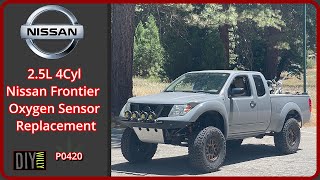
- A P0420 or P0430 code may indicate a failing catalytic converter, not just a bad sensor.
Is Your Frontier's Oxygen Sensor Failing?

A bad oxygen sensor can cause noticeable problems. The most common sign is the check engine light coming on. You might also notice your truck is using more gas than usual, the engine idles roughly, or it hesitates when you try to accelerate. 🎬 Watch: A breakdown of common symptoms of a bad oxygen sensor. In some cases, you might smell a rotten egg odor from the exhaust or see black smoke. Ignoring these signs can lead to more expensive problems, like a damaged catalytic converter.
Choosing the Right Aftermarket Oxygen Sensor

When replacing an O2 sensor, you have several brand choices. For a critical part like this, quality matters. Sticking with brands known for being Original Equipment (OE) suppliers is a smart move for the best performance and compatibility.
- Top Tier (OEM-Equivalent): Brands like Denso and NGK (NTK) are often the original manufacturers for Nissan. Choosing one of these is the closest you can get to buying the part from the dealer. They are highly recommended by Frontier owners for a direct fit and reliable performance.
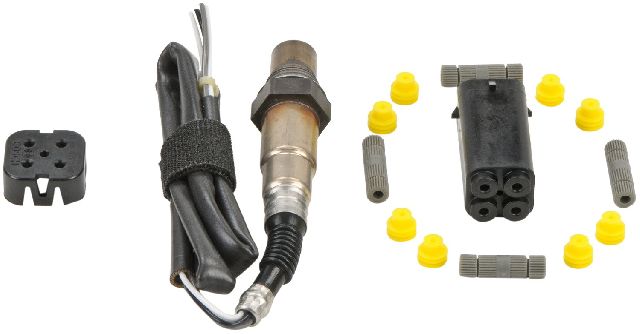
- Quality Aftermarket: Bosch is a well-respected brand that invented the automotive oxygen sensor. They are a very common and reliable aftermarket choice for many vehicles, including the Frontier. Delphi is another reputable manufacturer of quality aftermarket parts.
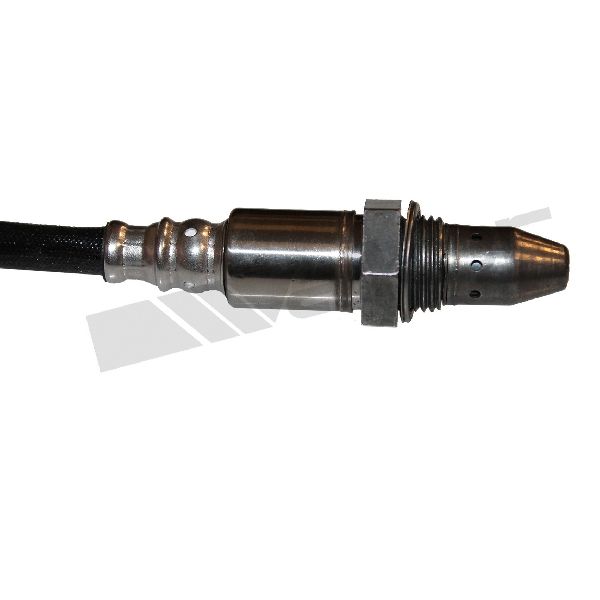
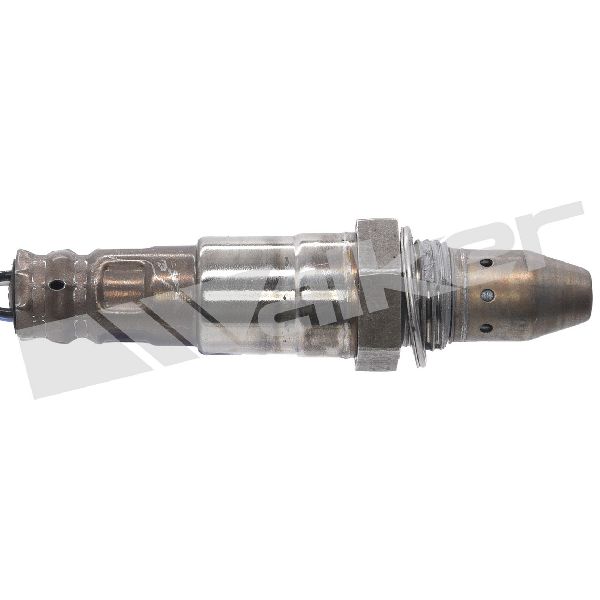
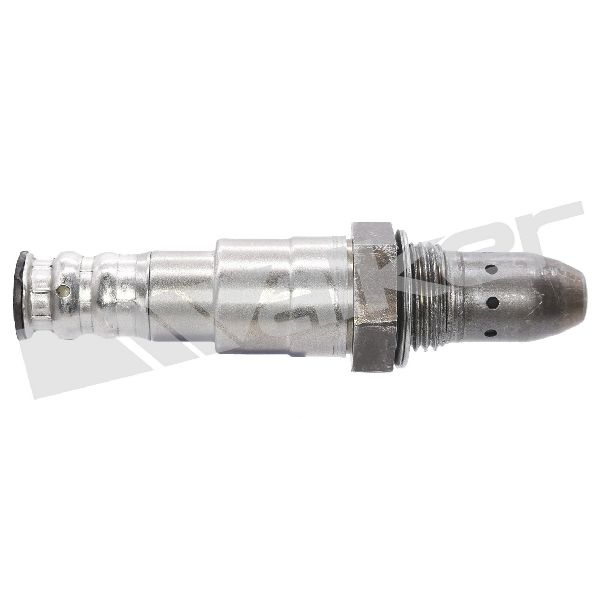
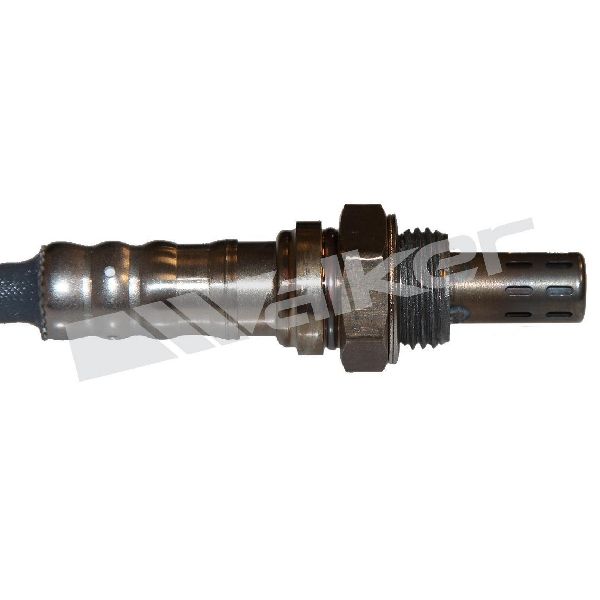
- Value-Oriented: Brands like Walker Products and DriveWire offer more budget-friendly options. While they can work, some owners prefer to stick with OEM-equivalent brands for these sensitive electronic parts to avoid potential compatibility issues.
Pro Tip: Upstream vs. Downstream
Your Frontier has multiple oxygen sensors. "Upstream" sensors (also called Air/Fuel Ratio sensors) are located on the exhaust manifold before the catalytic converter. "Downstream" sensors are located after the catalytic converter. They are not interchangeable. Always confirm the exact location (e.g., Bank 1 Sensor 1, Bank 2 Sensor 2) before ordering.
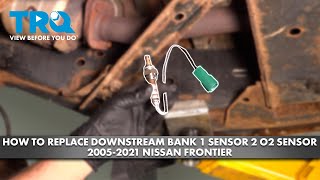
🎬 See this walkthrough for replacing a downstream Bank 1 sensor.Known Issues, TSBs, and Recalls
While no major recalls for oxygen sensors specifically cover the entire 2014-2024 range, Nissan has issued Technical Service Bulletins (TSBs) for related issues. For example, TSB NTB13108A for the 2014 Frontier addresses slow response codes (P0139, P0159) from the downstream sensors. In some cases, an O2 sensor code can be triggered by another issue, like an exhaust leak or even a problem with a different sensor. Always diagnose the problem correctly before replacing parts.
🎬 Watch: Learn the differences between upstream and downstream sensor failure.| Item | Estimated Cost |
|---|---|
| New Aftermarket Oxygen Sensor | $44 - $326 |
| New OEM Oxygen Sensor | $177 - $266 |
| Shop Labor | $83 - $200 |
| Total Professional Replacement | $150 - $600+ |
Common Ordering Mistake
The biggest mistake is ordering the wrong sensor for your engine. The 2014-2019 Frontiers used a 2.5L 4-cylinder or a 4.0L V6. The 2020-2024 models use a 3.8L V6. These engines have different numbers of sensors in different locations. Always verify your truck's year and engine before purchasing a part.
Frequently Asked Questions (FAQ)


How many oxygen sensors does my Nissan Frontier have?
It depends on your engine. V6 models (4.0L and 3.8L) typically have four sensors: two upstream (one for each cylinder bank) and two downstream. The 4-cylinder (2.5L) models usually have two sensors: one upstream and one downstream.
What tools do I need to replace an oxygen sensor?
You will need a ratchet, extensions, and a special oxygen sensor socket. This socket has a slot cut out of the side to accommodate the sensor's wire. Using penetrating oil on the old sensor before trying to remove it is highly recommended, as they are often seized in the exhaust pipe.
What does "Bank 1" or "Bank 2" mean?
On a V6 engine, "Bank 1" refers to the side of the engine that contains cylinder #1. On the Frontier's V6 engines, this is the passenger side. "Bank 2" is the driver's side. "Sensor 1" is the upstream sensor, and "Sensor 2" is the downstream sensor.
My code is P0420 or P0430. Is it the oxygen sensor?
Not always. These codes mean "Catalyst System Efficiency Below Threshold." While a failing downstream O2 sensor can cause this code, it more often indicates that your catalytic converter is failing. It's a good idea to have this diagnosed properly, as a catalytic converter is a much more expensive repair.
Helpful Videos

![Bad O2 Sensor Symptoms Downstream & Upstream [Oxygen Sensor Failure and Causes] How to fix & Replace](https://img.youtube.com/vi/b-xxdBlikSA/mqdefault.jpg)
Technical Specifications
OEM Part Numbers: 22693-9BT0B 22630-9BT0A 226A0-EA210 22693-1KT0A
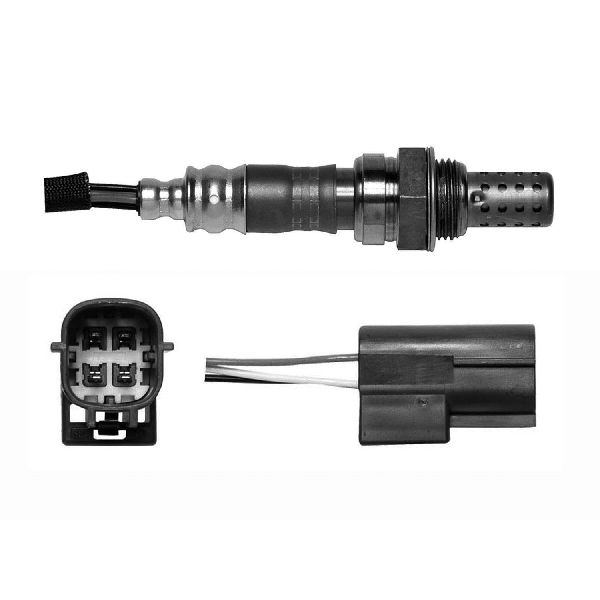
Varies by engine and position. Upstream sensors are typically wideband Air/Fuel Ratio sensors, while downstream sensors are heated oxygen sensors. Connectors and wire lengths are specific to each location. Always verify fitment by VIN.
We Have This Part in Stock

The information in this article is provided for general reference and educational purposes only. Vehicle specifications, procedures, and part compatibility can vary by production date, trim level, and region. Always consult your vehicle's factory service manual and verify part numbers before purchasing or performing repairs. Safety-critical components such as airbags, seat belts, and braking systems should be installed by a qualified professional.
- Nissan Frontier: