

Nissan Rogue (2014-2024) Engine VVT Solenoid: Symptoms and Replacement Guide
Experiencing rough idle or poor performance in your Rogue? A faulty VVT solenoid could be the culprit.
- A bad VVT solenoid in a Rogue typically causes a check engine light (P0011/P0014), rough idle, and poor acceleration.
- Dirty engine oil is the leading cause of failure; regular oil changes are crucial for prevention.
- Replacement is complex on this vehicle, often requiring removal of an engine mount to access the solenoids.
- Hitachi is the likely OEM supplier, making it a top-tier replacement choice for reliability.
Is Your Nissan Rogue VVT Solenoid Failing?

A bad Variable Valve Timing (VVT) solenoid can cause noticeable problems in your 2014-2024 Nissan Rogue. Because this part is so important for engine timing, a failure can disrupt performance and fuel efficiency. The most common cause of failure is contaminated or old engine oil, which can clog the small passages and screens inside the solenoid. Regular oil changes are the best prevention.
Symptoms of a Bad VVT Solenoid

If your VVT solenoid is going bad, you'll likely notice one or more of these signs:
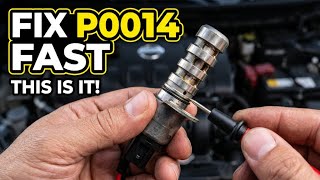
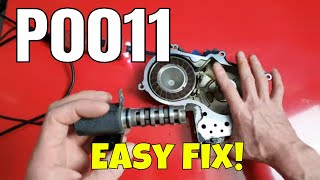
- Check Engine Light: This is often the first sign. The computer will detect a problem with the camshaft timing and trigger a fault code. Common codes include P0011, P0014, P0017, and P0300. 🎬 Watch: How to locate and test your VVT control solenoids.
- Rough Idle and Stalling: The engine may shake, idle unevenly, or even stall when you come to a stop.
- Poor Acceleration: Your Rogue might feel sluggish or hesitant when you press the gas pedal.
- Decreased Fuel Economy: If the engine's timing is stuck in a power-oriented position, you'll notice you're visiting the gas station more often.
- Engine Noise: A rattling or ticking sound from the engine, especially at idle or low speeds, can point to a VVT system issue.
Known Issues: Recalls and TSBs
While there are no specific recalls for the VVT solenoids themselves, Nissan has issued recalls for some 2021-2025 Rogue models with the 1.5L and 2.0L VC-Turbo engines for issues with engine bearings that can be caused by oil breakdown. These issues can produce similar symptoms, like engine noise and loss of power. It is crucial to check with a Nissan dealer to see if your vehicle is affected by recalls R25E2, R25E3, or 25V437, as the remedy may involve engine inspection or replacement at no cost.
Choosing the Right Aftermarket VVT Solenoid

When replacing the VVT solenoid on your Rogue, you have a choice between OEM and a variety of aftermarket brands. For a critical engine part like this, quality matters.
- Top Tier (OEM & OEM-Equivalent): Hitachi is widely reported to be the Original Equipment Manufacturer (OEM) for Nissan. Choosing a Hitachi solenoid is essentially getting the same part that came with your car from the factory, ensuring perfect fit and performance. This is the safest bet for reliability.
- Quality Aftermarket: Brands like Standard Motor Products (Standard Ignition), Beck Arnley, and Gates have a solid reputation in the aftermarket for producing reliable parts that meet or exceed OEM specifications. They offer a good balance of quality and price.
- Value-Oriented: Brands like Dorman are well-known and widely available. While they engineer parts to fit and function, some user reviews suggest that quality can be inconsistent compared to OEM. Other brands in this category include Walker Products, Holstein, and Spectra. They can be a good option if budget is the primary concern, but may not have the same longevity as higher-tier brands.
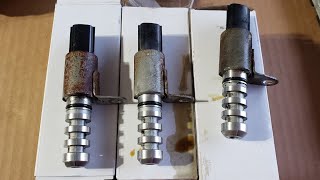
Pro Tip: Most 2.5L and 1.5L engines in the 2014-2024 Rogue have two or even three VVT solenoids (e.g., intake, exhaust, and sometimes an intermediate lock solenoid). Mechanics often recommend replacing them all at the same time, especially if one has failed due to oil contamination, as the others are likely in similar condition. The parts are often identical.
VVT Solenoid Replacement Cost for 2014-2024 Nissan Rogue
The cost can vary based on your location and the specific part needed. The replacement itself is moderately difficult due to the location of the solenoids.
| Part/Service | Estimated Cost |
|---|---|
| New OEM Part | $95 - $292 |
| New Aftermarket Part | $61 - $151 |
| Shop Labor | $171 - $290 |
| Total Professional Replacement | $265 - $581 |
Frequently Asked Questions (FAQ)

How many VVT solenoids does my Nissan Rogue have?
Most 2014-2024 Nissan Rogues with the 2.5L 4-cylinder or 1.5L 3-cylinder engine have multiple VVT solenoids. It's common to find two or three located on the passenger side of the engine. They typically control the intake and exhaust camshafts, and sometimes there is a third for an intermediate lock function. Often, they are the same part number.
Can I just clean the VVT solenoid?
Some owners attempt to clean the solenoids with a degreaser or brake cleaner, especially the small filter screens. While this can sometimes temporarily restore function if the issue is minor clogging, it is often not a permanent solution. If the solenoid's internal electronic components are failing, cleaning will not help, and replacement is the only reliable fix.
🎬 See how to potentially fix VVT codes for free by cleaning.Is replacing a VVT solenoid a DIY job?
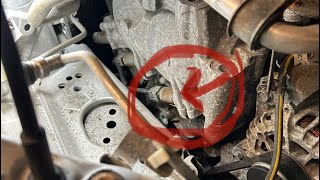
For the 2014-2024 Rogue, this job is more involved than on many other vehicles. The solenoids are located in a tight space on the passenger side of the engine. Replacement requires supporting the engine with a jack, removing at least one engine mount, and possibly moving A/C lines to gain access. While possible for an experienced DIYer, it can be challenging. A professional mechanic can typically complete the job in 1.5 to 2.5 hours.
🎬 Watch this step-by-step walkthrough of the 2.5L solenoid replacement process.What happens if I don't replace a bad VVT solenoid?
Ignoring a failing VVT solenoid can lead to more serious problems. Persistently incorrect engine timing can cause poor performance, high fuel consumption, and potentially damage other engine components over time, such as the timing chain or camshaft phasers. It will also cause your vehicle to fail an emissions test.
Helpful Videos
Technical Specifications
OEM Part Numbers: 23796-3JV3A 237963JV0A 237963JV2A 237964BB0A
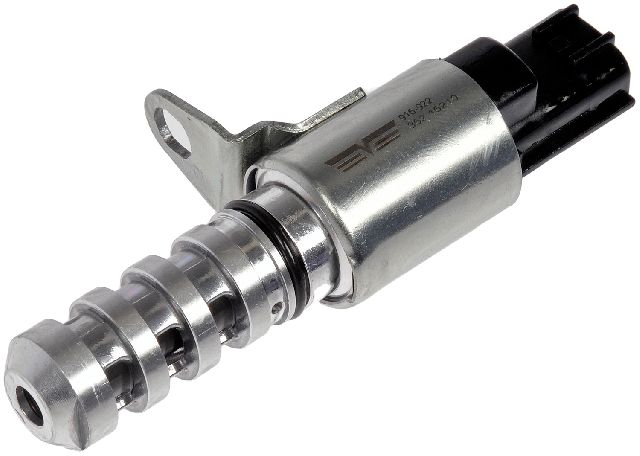
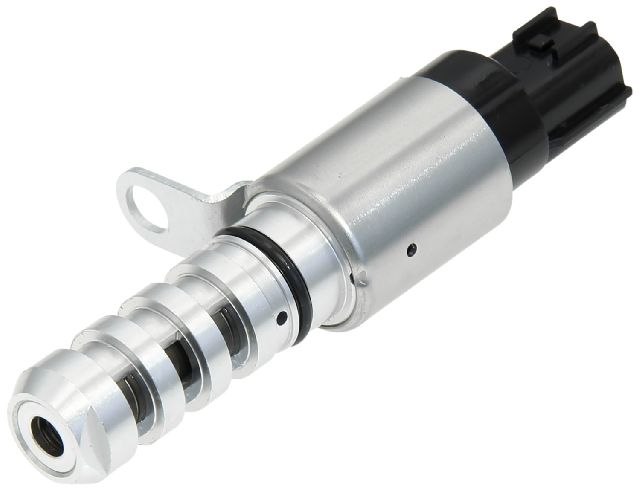
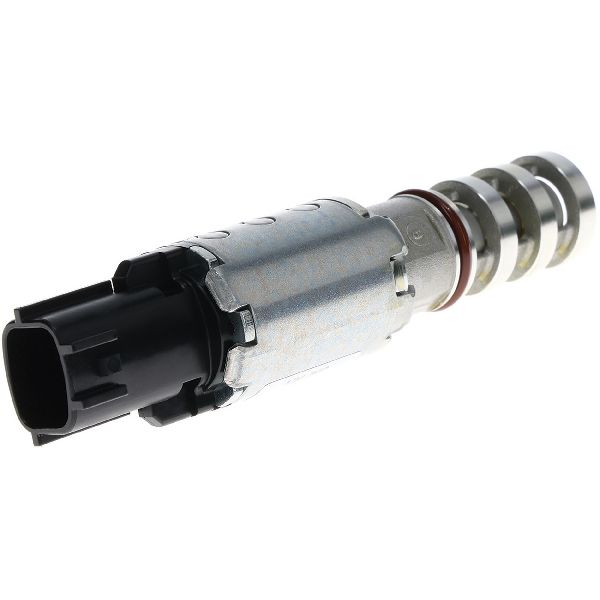
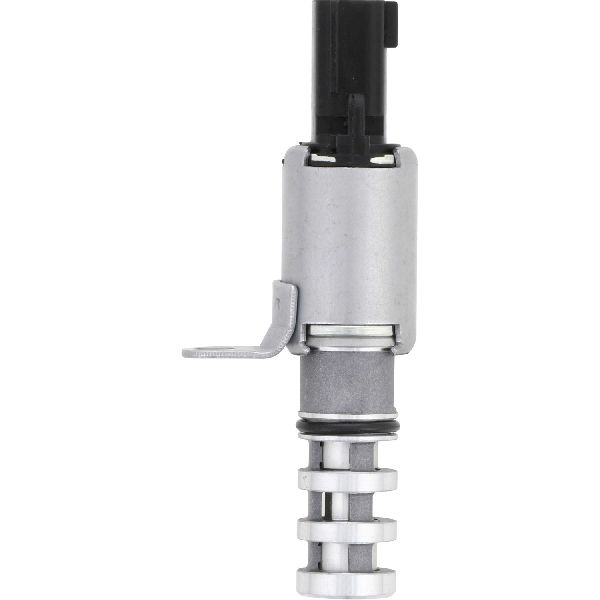
Most 2014-2024 Rogues use two or three identical solenoids for intake and exhaust timing control. They are electronically controlled valves that direct oil pressure. The solenoids are typically located on the passenger side of the engine.
We Have This Part in Stock


The information in this article is provided for general reference and educational purposes only. Vehicle specifications, procedures, and part compatibility can vary by production date, trim level, and region. Always consult your vehicle's factory service manual and verify part numbers before purchasing or performing repairs. Safety-critical components such as airbags, seat belts, and braking systems should be installed by a qualified professional.
- Nissan Rogue: