

Ram ProMaster 3500 (2014-2024) Engine Crankshaft Position Sensor Guide
Experiencing stalling or a no-start condition in your ProMaster? Your crankshaft position sensor might be the culprit.
- A failing crankshaft sensor will cause critical issues like stalling or a no-start condition; do not ignore these symptoms.
- The most common indicator is a Check Engine Light with code P0335.
- For a critical part like this, choosing a premium aftermarket brand (like NGK, Delphi, Standard) or OEM Mopar is highly recommended for reliability.
- The replacement is DIY-feasible but requires working in a tight space near the exhaust manifold, so ensure the engine is cool.
Is Your ProMaster Stalling or Refusing to Start?
A faulty crankshaft position sensor is a common reason for a Ram ProMaster 3500 to suddenly stall, struggle to start, or not start at all. This sensor provides critical data to your engine's computer. When it fails, the computer loses track of the engine's rotation, leading to serious performance problems. Ignoring a failing sensor can leave you stranded and potentially cause further engine issues.
Symptoms of a Failing Crankshaft Position Sensor
A bad crankshaft sensor can cause a variety of issues, often starting as minor annoyances and becoming more severe. Look out for these common signs:
- Engine Will Not Start: The most critical symptom. The engine may crank but will not fire up because the ECU isn't getting the signal it needs to initiate spark and fuel.
- Sudden Stalling: The engine may cut out unexpectedly while driving, which can be a major safety hazard. This happens if the sensor signal is lost completely.
- Rough Idling and Misfires: Your van might shake or vibrate more than usual when stopped. An erratic sensor signal can disrupt timing, causing the engine to run rough.
- Check Engine Light: A failing sensor will almost always trigger the Check Engine Light. A code scanner will likely show codes such as P0335 (Crankshaft Position Sensor "A" Circuit Malfunction).
- Poor Acceleration and Reduced Fuel Economy: If the sensor provides incorrect data, the engine's timing will be off, leading to sluggish performance and more trips to the gas station.
Known Issues and Recalls
While there are no widespread recalls specifically for the crankshaft position sensor itself on the ProMaster 3500, a TSB from 2015 (NHTSA ID #10149010) was issued for the P0335 fault code, indicating that engineering was investigating the issue. Additionally, a recall for 2014-2019 3.0L diesel models involved the potential loss of the crankshaft position signal due to an issue with the tone wheel, which could cause the engine to stall. Always check for recalls or TSBs related to your specific vehicle's VIN.
Choosing the Right Aftermarket Sensor
When it's time to replace the sensor, you'll find OEM Mopar parts and a wide variety of aftermarket options. Since this is a critical electronic component, quality matters.
| Brand Tier | Brands | Quality & Reliability Assessment |
|---|---|---|
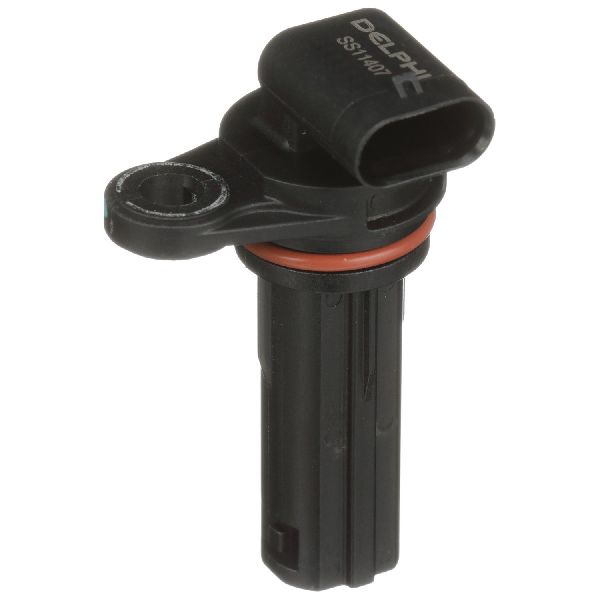
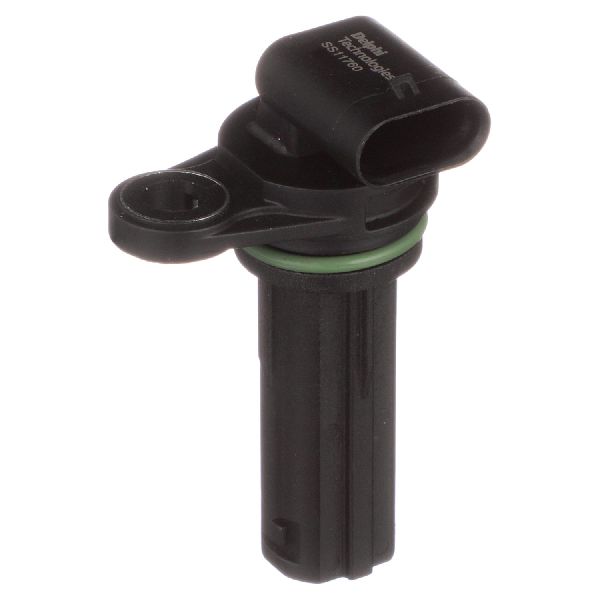
| Premium Aftermarket | Delphi, NGK/NTK, Standard Ignition (SMP), Hitachi | These brands are often original equipment (OE) suppliers for many automakers and are known for their high quality and reliability. They are engineered to meet or exceed Mopar specifications and are a trusted choice for a dependable repair. |
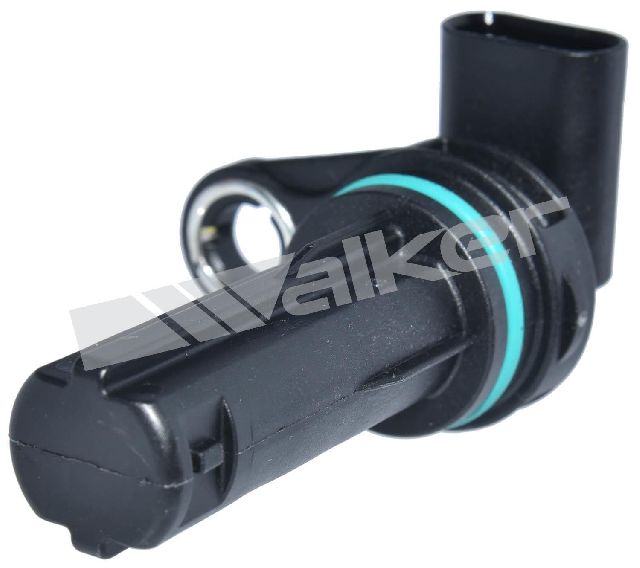
| Standard Aftermarket | Dorman, Walker Products, Holstein | These brands offer a good balance of price and quality. Dorman is well-known for producing a vast catalog of direct-fit replacement parts. They provide a reliable alternative to more expensive premium brands. |
| Value Options | Crown Automotive, Global Parts, Motorad, Spectra | These are budget-friendly choices that can get your van running again. While functional, their long-term durability may not match that of premium or OEM parts. Consider these if budget is the primary concern. |
Pro Tip: Many professional mechanics and experienced owners recommend using either the OEM Mopar sensor or a premium aftermarket brand like NGK/NTK for critical sensors. While the upfront cost is higher, it reduces the risk of premature failure and having to do the job twice.
Cost of Replacing the Crankshaft Position Sensor
The cost can vary based on whether you do it yourself or hire a professional. The sensor's location on the engine also impacts labor time.
| Item/Service | Estimated Cost |
|---|---|
| New OEM (Mopar) Part | $90 - $135 |
| New Aftermarket Part | $24 - $270 |
| Shop Labor | $61 - $90 |
| Total Professional Replacement | $98 - $225+ |
Frequently Asked Questions (FAQ)
Can I drive my ProMaster with a bad crankshaft sensor?
It is not recommended. A failing sensor can cause the engine to stall at any time, including in traffic or at high speeds, which is a serious safety risk. It's best to get the vehicle inspected and repaired as soon as possible.
Where is the crankshaft position sensor located on a ProMaster 3500?
On ProMaster models with the 3.6L V6 engine, the crankshaft position sensor is typically mounted on the right side of the engine block, often behind the exhaust manifold. For the 3.0L EcoDiesel, its location may differ. Always consult a repair manual for your specific year and engine before starting work.
Is this a difficult DIY repair?
For a moderately experienced DIYer, this is a feasible job. The main challenge is accessing the sensor, which may be in a tight spot near the exhaust. The replacement itself usually involves removing a single bolt and an electrical connector. Ensure the engine is completely cool before starting, as you will be working near the exhaust manifold.
What's the difference between a crankshaft and a camshaft sensor?
They are both critical timing sensors, but they measure different rotating parts. The crankshaft sensor tracks the main crankshaft's rotation (pistons), while the camshaft sensor tracks the camshaft's rotation (valves). The ECU compares signals from both to ensure the engine is perfectly timed. Sometimes, a failure of one can be related to the other.
Technical Specifications
OEM Part Numbers: 5149167AF 5149167AD 5149167AE 68098560AA
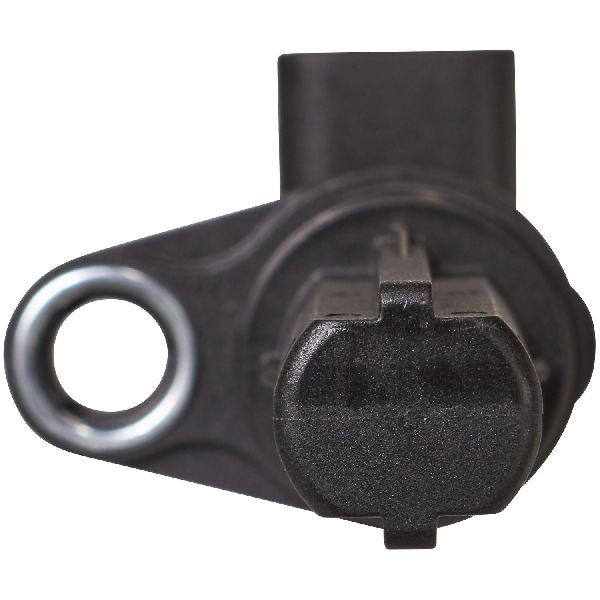
Typically a 2 or 3-pin magnetic sensor that reads a reluctor wheel on the crankshaft. The specific pin count and connector shape must match the vehicle's harness.
We Have This Part in Stock


The information in this article is provided for general reference and educational purposes only. Vehicle specifications, procedures, and part compatibility can vary by production date, trim level, and region. Always consult your vehicle's factory service manual and verify part numbers before purchasing or performing repairs. Safety-critical components such as airbags, seat belts, and braking systems should be installed by a qualified professional.
- Ram ProMaster 3500: