

A Guide to Replacing Disc Brake Pads on Your 2014-2025 Audi S3
Stop on a dime without the heavy brake dust and high dealer cost.
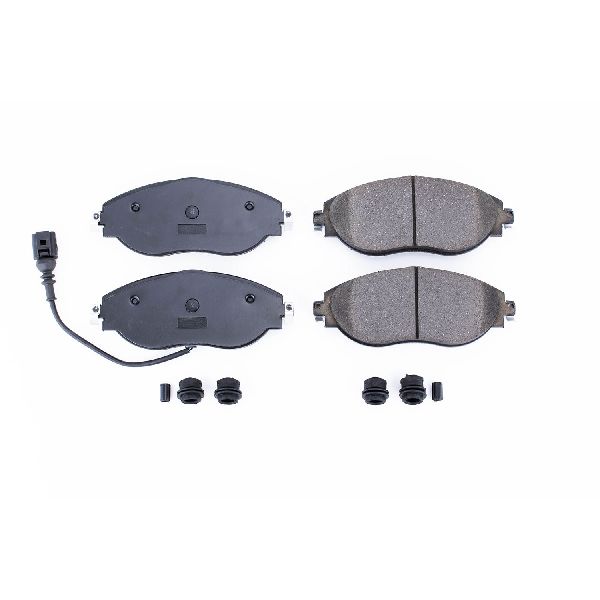
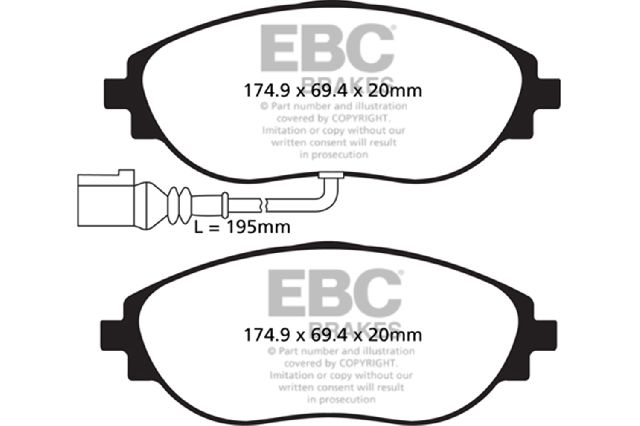
- Your Audi S3 uses electronic wear sensors that must be replaced at the same time as the brake pads.
- OEM pads provide good performance but create heavy brake dust; aftermarket ceramic pads from brands like Akebono or EBC are a popular solution for cleaner wheels.
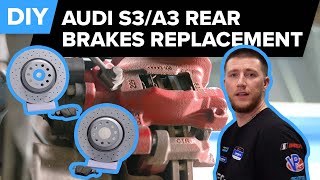
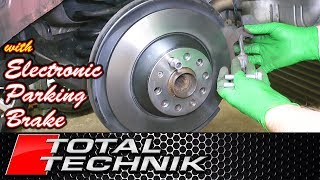
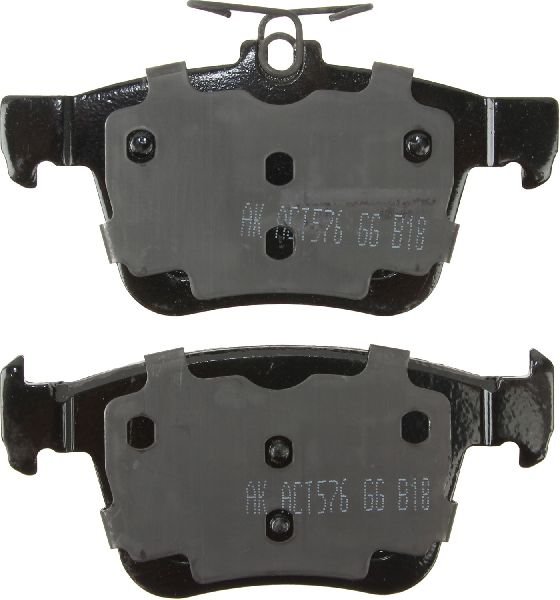
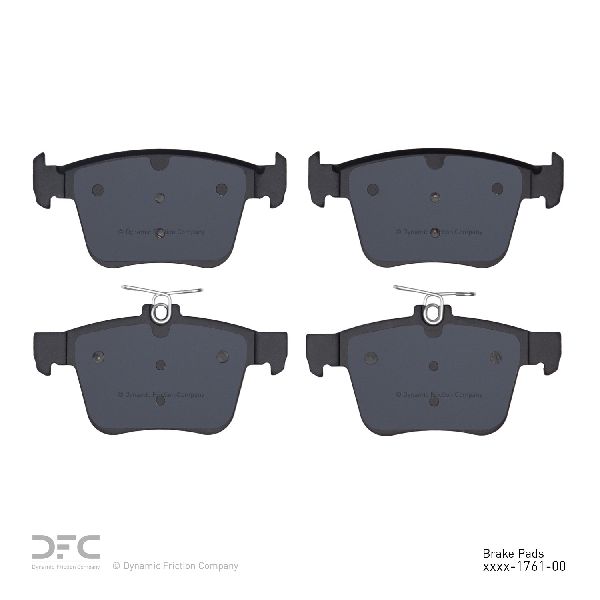
- Rear brake pad replacement requires a special scan tool (like VAG-COM/VCDS) to retract the electronic parking brake before starting work.
- For best performance and safety, always replace brake rotors at the same time as the pads on your S3.
Signs Your S3 Brake Pads Are Worn Out
Your Audi S3 is equipped with electronic brake wear sensors. These will trigger a warning light on your dashboard when the pads are low. However, you might notice other signs first.
- Squealing Noises: A high-pitched squeal when you brake is often the first sign. This sound comes from a small metal tab called a wear indicator hitting the brake rotor.
- Grinding Sounds: A loud, harsh grinding noise means the brake pads are completely gone. The metal backing plate is now grinding against the rotor, causing serious damage. Stop driving immediately if you hear this.
- Brake Dust: While factory Audi pads are known for creating a lot of dust, a sudden increase can mean the pads are wearing down faster than usual.
- Poor Stopping Power: If your car takes longer to stop or the brake pedal feels soft, your pads may be too worn to create enough friction.
OEM vs. Aftermarket Pads for Your S3
Original Equipment Manufacturer (OEM) pads for the S3 are often made by brands like Textar, Pagid, or Brembo. They are designed for a balance of good performance and quiet operation. However, their biggest downside is the large amount of dark brake dust they produce, which quickly makes wheels look dirty.
Aftermarket pads offer you a choice based on your driving style and priorities.
| Pad Category | Best For | Pros | Cons | Example Brands |
|---|---|---|---|---|
| Low-Dust Ceramic (Daily Driving) | Street use, keeping wheels clean | Very low dust, quiet operation, good initial bite | May not handle repeated, high-speed stops as well as performance pads | Akebono, EBC Redstuff, ATE Ceramic, Powerstop Z23 |
| OEM-Equivalent (Balanced) | Matching factory performance | Predictable feel, designed for the car, excellent quality | Will likely produce heavy brake dust like the original pads | Textar, Pagid, Brembo (standard), Bosch, ATE (standard) |
| High-Performance (Spirited/Track) | Aggressive street driving or track days | Highest heat resistance, fade-free, incredible stopping power | Can be noisy, create lots of dust, may have poor performance when cold | EBC Yellowstuff, Hawk Performance (HPS, HP+), StopTech, Brembo (performance line), APR |
Known Issues and Recalls
There are no active safety recalls for the brake pads on the 2014-2025 Audi S3 in the North American market. A common owner complaint is that the factory pads produce excessive brake dust. Some owners have also reported a brief "sticking" feeling from the rear brakes when the car is parked overnight after being driven in the rain, which is considered a common characteristic of the platform. 🎬 See how to handle rear brakes with electronic parking brakes. A technical service bulletin (TSB) exists for brake vibration issues, which can be caused by pad material transferring unevenly to the rotors, but this is not a safety recall.
Frequently Asked Questions (FAQ)
Do I have to replace my brake rotors with my pads?
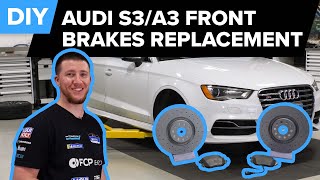
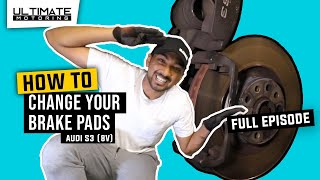
It is highly recommended. For a performance car like the S3, it's best practice to replace rotors and pads together. 🎬 Watch: Step-by-step guide to replacing front pads and rotors. New, flat pads on old, grooved rotors can cause noise, vibration, and reduced performance. If your rotors have a noticeable lip on the edge, or show signs of heavy scoring or discoloration, they must be replaced.
What are electronic wear sensors?
Your S3 has electronic wear sensors on the front brake pads (and sometimes the rear, depending on the year and configuration). When the pad wears down to a certain point, the sensor makes contact with the rotor, breaks a circuit, and triggers the warning light on your dash. The sensor is a one-time-use part and must be replaced with every brake pad change.
What's the difference between ceramic and semi-metallic pads?
Ceramic pads are made from dense ceramic material and copper fibers. They are known for being quiet, producing very little light-colored dust, and offering a good initial bite for daily driving. Semi-metallic pads contain a high percentage of metal. They handle high heat better, making them ideal for performance driving, but the trade-off is more noise and much more dark-colored dust.
How do I "bed-in" my new brake pads?
Bedding-in is the process of transferring an even layer of friction material from the new pads onto the rotors. This ensures smooth, powerful, and quiet braking. Follow the manufacturer's specific instructions. A typical procedure involves several hard slow-downs from about 60 mph to 10 mph without coming to a complete stop. Then, drive for a while without using the brakes to let them cool down completely.
🎬 Watch this video to learn how to bed-in brakes properly.Helpful Videos
Technical Specifications
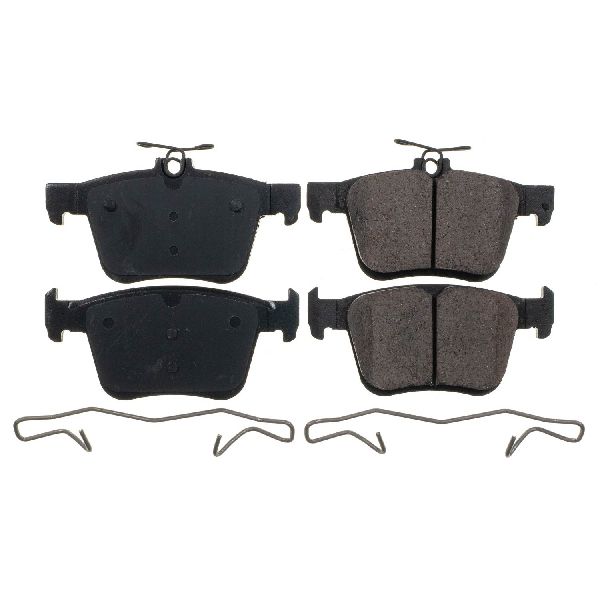
OEM Part Numbers: 5WA-698-151-M
The system uses single-piston sliding calipers with electronic wear sensors on the front axle. Rear calipers are equipped with an electronic parking brake motor that requires a diagnostic tool for service. Pad compounds vary from semi-metallic (OEM) to ceramic (aftermarket low-dust).
We Have This Part in Stock

The information in this article is provided for general reference and educational purposes only. Vehicle specifications, procedures, and part compatibility can vary by production date, trim level, and region. Always consult your vehicle's factory service manual and verify part numbers before purchasing or performing repairs. Safety-critical components such as airbags, seat belts, and braking systems should be installed by a qualified professional.
- Audi S3: