

Choosing the Right Aftermarket Brake Pads for Your 2014-2025 Audi SQ5
Stop wasting money on dusty, noisy OEM pads and find the perfect aftermarket brake pad set for your high-performance SUV.
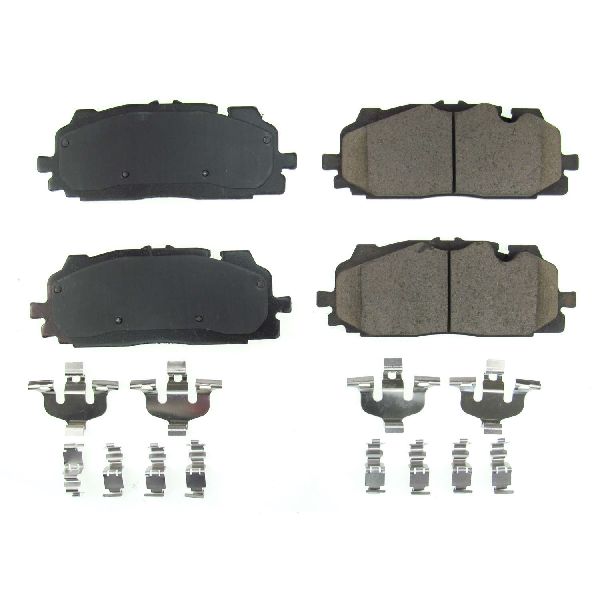
- Stock Audi SQ5 brake pads are known for creating excessive dust and noise; switching to aftermarket ceramic pads from brands like Akebono can solve this.
- For B9 models (2018+), you MUST use a scan tool to put the electronic parking brake in service mode before replacing rear pads.
- Always verify the correct part number for your specific SQ5, as brake components can vary by year and factory options.
- For best performance and safety, it is strongly recommended to replace brake rotors at the same time as the pads.
Signs of Worn Brake Pads on an SQ5

Your Audi is equipped with brake pad wear sensors that will trigger a warning light on your dashboard when the pads are low. However, you might notice other symptoms first. A high-pitched squealing sound when you apply the brakes is a common indicator. You might also hear a grinding noise, which means the pads are completely worn out and metal is scraping against metal. Other signs include a vibrating or pulsating brake pedal, a soft or spongy pedal feel, or your SQ5 taking longer to stop than usual.
Known Issues: Brake Noise and Dust
A very common complaint from SQ5 owners is excessive brake dust and noise, particularly a squeal or groan at low speeds. This is often considered "normal" for the stock semi-metallic pads, which are chosen for their strong initial bite. Many owners switch to aftermarket ceramic pads to significantly reduce both dust and noise.
Choosing the Right Aftermarket Brake Pads

Switching from Original Equipment (OEM) pads to aftermarket ones gives you choices. You can prioritize low dust, quiet operation, or even higher performance than stock. Brake pads are generally made from three types of material: organic, ceramic, and semi-metallic.
- Ceramic Pads: These are the best choice for most SQ5 owners for daily driving. They produce very little dust, are extremely quiet, and offer long life. While their cold bite might be slightly less aggressive than OEM pads, the trade-off for clean wheels and silent stops is worth it for many.
- Semi-Metallic Pads: This is what your SQ5 likely came with from the factory. They offer excellent performance and a strong initial bite but create a lot of dust and can be noisy. Performance-oriented semi-metallic pads are great for aggressive driving but are not ideal for those tired of cleaning their wheels.
- Organic Pads (NAO): These are less common for a performance vehicle like the SQ5. They are quiet and soft but wear faster and don't handle high heat as well as ceramic or semi-metallic options.
Brand Tiers for Your Audi SQ5
With so many brands available, it helps to group them by quality and purpose.
Tier 1: Premium & OEM-Equivalent Brands
These brands often manufacture the original parts for Audi or are known for equivalent or superior quality. They are a safe bet for reliable, high-quality performance.
- Brembo: A world leader in braking, Brembo offers pads that meet or exceed OEM standards, often with low-metallic formulas for strong, consistent stopping power.
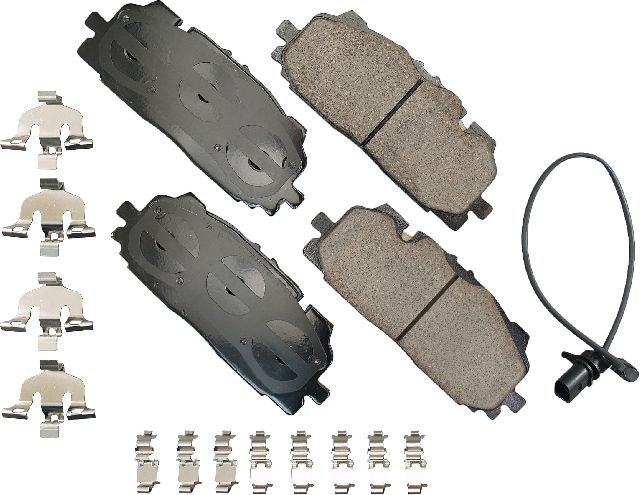
- Akebono: Famous for their EURO Ceramic pads, Akebono is a top choice for SQ5 owners looking to eliminate brake dust and noise without a noticeable loss in daily driving performance.
- Textar & Pagid: These are well-respected German brands that are often the original equipment suppliers to Audi. Choosing them is like getting OEM quality, sometimes without the dealership price tag.
- ATE: Another German OEM supplier, ATE provides high-quality, reliable brake pads that are a direct replacement for the stock parts.
- Zimmermann: Known more for their rotors, Zimmermann also produces quality brake pads that pair perfectly with their discs for a complete system refresh.
Tier 2: Performance & Enthusiast Brands
For drivers who want more bite, higher temperature resistance, and track-day capability.
- Hawk Performance: Offers various compounds like HPS 5.0 (high-performance street) and Performance Ceramic (low dust). They are a favorite among enthusiasts for their noticeable improvement in stopping power.
- EBC Brakes: A popular choice offering different color-coded pads for various uses. Redstuff is a ceramic, low-dust street performance pad, while Yellowstuff is a more aggressive street/track compound.
- StopTech & Powerstop: These brands offer complete brake kits and performance pads like the Z23 Carbon-Fiber Ceramic, which balances performance with low-dust characteristics.
Tier 3: Quality Aftermarket & Budget-Friendly Brands
These brands offer a good balance of quality and value for daily driving.
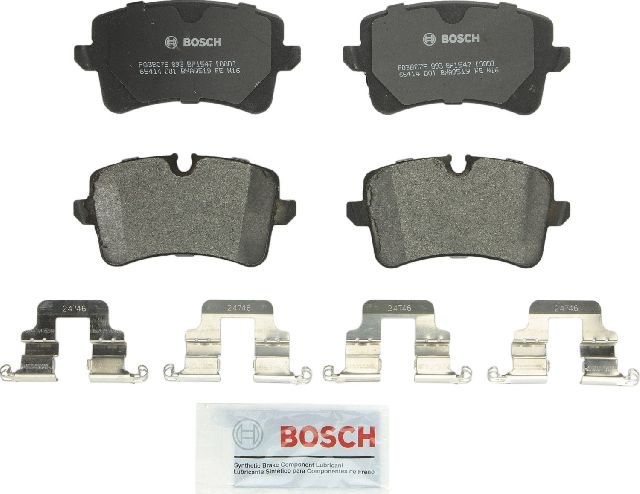
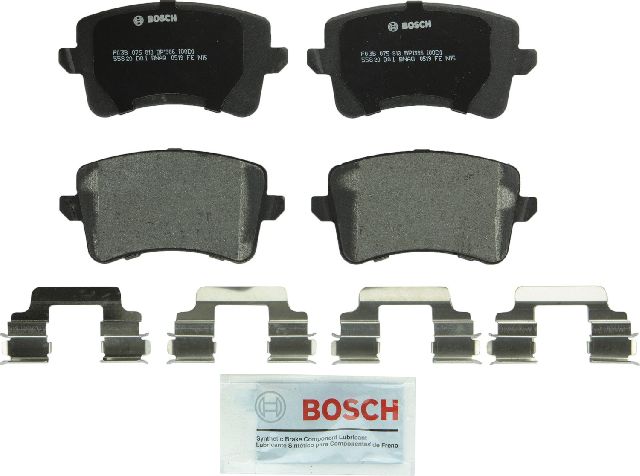
- Bosch: A massive automotive supplier, Bosch makes reliable and quiet replacement pads that are a dependable choice.
- Centric / Raybestos / Wagner: These are well-known North American aftermarket brands that provide solid, affordable OEM-replacement quality pads.
- Dynamic Friction: Offers pads designed to match OEM formulations and provide consistent pedal feel for modern vehicles.
A Note on Generation Differences & Part Numbers
The brake systems differ between the first generation (B8, 2014-2017) 🎬 Watch this DIY guide for B8 front brake and rotor replacement. and second generation (B9, 2018-2025) 🎬 See how to replace rear pads and rotors on B9 models. SQ5. Furthermore, Audi sometimes uses different brake components even within the same model year. Always verify the correct part number for your specific vehicle using its VIN or by checking the PR codes on your vehicle's option sticker. Common OEM part numbers include 4M0-698-151-BH for the front of some B9 models.
Recalls and Technical Service Bulletins (TSBs)
There have been a few brake-related recalls for the SQ5, but none directly for the brake pads themselves.
- NHTSA Recall 19V277 (47O9): Affects certain 2018-2019 SQ5 models for a brake master cylinder that may have been cast too short, potentially leading to a sudden loss of hydraulic brakes.
- NHTSA Recall (47N8, etc.): Affects certain 2018 SQ5 models for insufficient coating on brake caliper pistons, which could reduce brake performance.
While some TSBs exist for brake noise on related Q5 models, they often explicitly exclude the SQ5 due to its different brake setup. The general consensus in forums is that low-speed groaning or squealing is a characteristic of the stock pads.
| Part Type | Estimated Cost |
|---|---|
| New Aftermarket (Front or Rear Set) | $34 - $303 |
| New OEM (Front or Rear Set) | $120 - $280 |
| Shop Labor | $150 - $300 per axle | 🎬 Save on labor costs with this complete SQ5 brake job walkthrough.
Frequently Asked Questions (FAQ)

Do I need special tools to change the rear brake pads?
Yes. Newer SQ5 models (2018+) have an Electronic Parking Brake (EPB). You must use a diagnostic scan tool (like OBDeleven or VCDS) to put the rear brake calipers into service mode before you can retract the pistons. Attempting to force the piston back without doing this will damage the caliper motor.
Should I replace the rotors with the pads?
It is highly recommended. Dealerships and many independent shops will insist on replacing pads and rotors at the same time on performance vehicles like the SQ5. This ensures the new pads have a perfectly flat, fresh surface to bed into, providing optimal performance and preventing noise or vibration. If your rotors have a significant lip on the edge, or show signs of heavy scoring or heat spots, they must be replaced.
What are brake pad wear sensors?
Your SQ5 has electronic wear sensors, typically on the front-left and rear-right wheels. These are small plastic sensors with a wire that clips into the brake pad. When the pad wears down to a certain point, the sensor makes contact with the rotor, breaking the circuit and triggering the warning light on your dash. It is best practice to replace the sensors every time you replace your brake pads.
What is "bedding-in" new brake pads?
Bedding-in is a critical process of breaking in your new pads and rotors. It involves a series of controlled stops to transfer an even layer of friction material from the pads to the rotors. This prevents glazing, reduces noise, and ensures maximum stopping power. Brands like EBC and Hawk provide specific bedding-in procedures that you should follow carefully after installation.
Helpful Videos
Technical Specifications
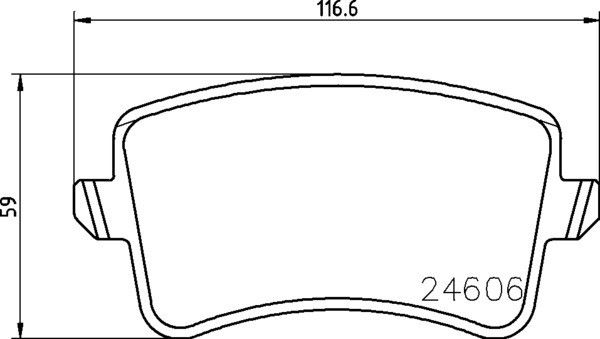
OEM Part Numbers: 4M0-698-151-BH 4m0698151ap 8R0698151R 8K0698451P 8W0698451BG 80A698451R
Brake pad material types include ceramic, semi-metallic, and organic. The choice affects dust, noise, and performance. The system uses electronic wear sensors. B9 models (2018+) feature an electronic parking brake (EPB) that requires a scan tool for service.
We Have This Part in Stock

The information in this article is provided for general reference and educational purposes only. Vehicle specifications, procedures, and part compatibility can vary by production date, trim level, and region. Always consult your vehicle's factory service manual and verify part numbers before purchasing or performing repairs. Safety-critical components such as airbags, seat belts, and braking systems should be installed by a qualified professional.
- Audi SQ5:
- 🎬 Helpful Videos
- 🛍️ Shop This Part
- Signs of Worn Brake Pads on an SQ5
- Known Issues: Brake Noise and Dust
- Choosing the Right Aftermarket Brake Pads
- Brand Tiers for Your Audi SQ5
- A Note on Generation Differences & Part Numbers
- Recalls and Technical Service Bulletins (TSBs)
- Frequently Asked Questions (FAQ)
- 🎟️ Get 5% Off