

A Mechanic's Guide to the Engine Timing Belt for the 2015-2016 Volvo XC60
Don't let a worn timing belt turn your reliable Volvo into a costly repair bill.
- You must identify your engine: 2.0L/2.5L engines use a belt; 3.0L/3.2L engines use a chain.
- Failure to replace the belt on schedule will lead to catastrophic engine damage as this is an interference engine.
- Always buy a complete kit including the belt, tensioner, idler, and water pump from a quality brand like Continental or Gates.
- This is not a DIY job for most owners; it requires special tools and professional installation is strongly recommended.
Is it a Timing Belt or a Timing Chain?

For the 2015-2016 XC60, it depends on your engine. It's critical to know which one you have because the maintenance schedules are different. This guide is only for engines with a timing belt.
- Timing Belt: The 2.0L 4-cylinder 'Drive-E' (often T5 FWD or T6) and the 2.5L 5-cylinder Turbo (often T5 AWD) use a timing belt.
- Timing Chain: The 3.0L and 3.2L 6-cylinder engines use a timing chain, which does not have a regular replacement schedule.
When to Replace Your Timing Belt
Sticking to the replacement schedule is the most important thing you can do. A timing belt can fail without any warning. The age of the belt is just as important as the mileage, as rubber degrades over time.
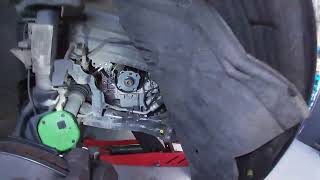
🎬 See why age matters: Inspecting dry rot on a belt.| Engine | Replacement Interval |
|---|---|
| 2.5L 5-Cylinder Turbo | 120,000 miles or 10 years, whichever comes first. |
| 2.0L 4-Cylinder 'Drive-E' | 150,000 miles or 10 years, whichever comes first. |
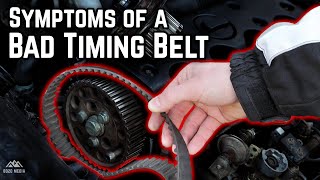
Symptoms of a Failing Timing Belt

While failure can be sudden, you might notice some warning signs. These often come from the parts that work with the belt, like the tensioner or water pump.
- Ticking or Rattling Noises: A ticking or tapping sound from the engine could be a sign of a worn belt or a failing bearing in the tensioner or idler pulley.
- Engine Misfires: If the belt slips a tooth, it can throw off the engine's timing and cause rough running or misfires.
- Trouble Starting: A slipped belt can interfere with the engine's ignition process, making it hard to start.
- Oil Leaks: Oil leaking from the front of the engine near the timing belt cover can damage the belt and may point to a failing seal.
Choosing the Right Aftermarket Timing Belt Kit

When replacing your timing belt, you must replace all the related components. Never replace just the belt. A complete kit should include the belt, tensioner pulley, idler pulley(s), and a new water pump. The bearings in the old pulleys are the most common cause of timing system failure.
Here’s how the available aftermarket brands generally stack up for Volvos:
- Tier 1 (OEM Quality): Continental and Gates are often the original equipment manufacturers (OEM) for Volvo. Their kits are considered the industry benchmark and a trusted choice for reliability that meets or exceeds factory specifications.
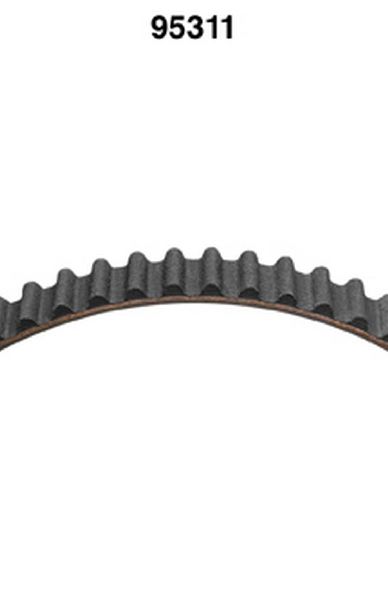
- Tier 2 (Reputable Aftermarket): Dayco is another well-known OEM supplier for many car brands. They produce high-quality, reliable kits that offer a great balance of performance and cost.
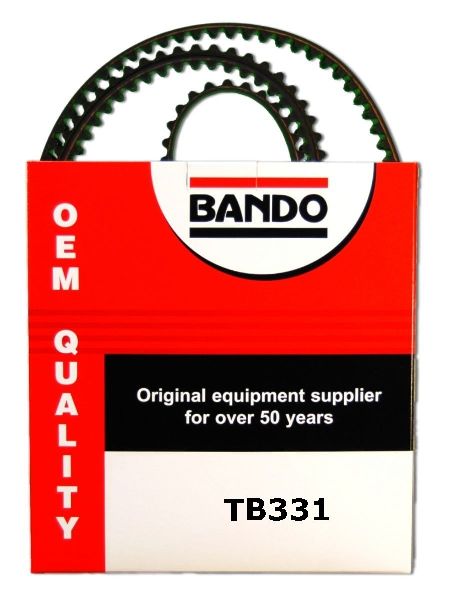
- Tier 3 (Standard Aftermarket): Brands like Bando produce belts that meet industry standards. While less information is available for their specific use in these Volvos, they are a recognized manufacturer. For a critical part like a timing belt, sticking with a proven OEM-quality brand is highly recommended.
Estimated Replacement Costs
The cost is mostly labor, as the job is complex and requires taking apart a large portion of the engine.
| Item | Estimated Cost |
|---|---|
| New Aftermarket Kit (Belt, Pulleys, Water Pump) | $150 - $310 |
| New OEM (Genuine Volvo) Kit | $350 - $500+ |
| Shop Labor | $520 - $770 |
| Total Estimated Job | $670 - $1,080 |
Frequently Asked Questions (FAQ)

Is this a DIY-friendly job?
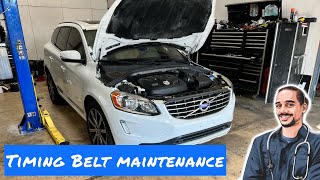
No, this is a difficult job recommended for professionals or very advanced DIY mechanics. 🎬 Watch: A complete step-by-step timing belt replacement walkthrough. It requires special tools to lock the engine's camshafts and crankshaft in place. Mistakes can lead to incorrect timing and engine damage.
What happens if my timing belt breaks?
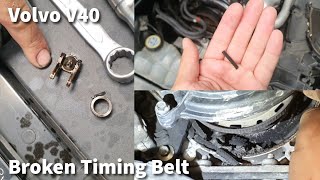
The engine will shut off immediately and will not restart. Because this is an interference engine, the pistons will hit the valves, causing thousands of dollars in damage that often requires a complete engine replacement.
🎬 Watch: What happens to a Volvo engine when the belt breaks.Can I just replace the belt and not the water pump or pulleys?
No. The bearings in the water pump and tensioner pulley wear out at a similar rate as the belt. A failed bearing will shred the new belt and destroy your engine. Since the cost of the job is mostly labor, it is essential to replace all components at the same time.
Are there any recalls for the timing belt on my 2015-2016 XC60?
As of early 2026, there are no specific recalls or technical service bulletins (TSBs) from the NHTSA or Volvo for premature timing belt failure on these models.
Helpful Videos

Technical Specifications
OEM Part Numbers: 32213096 31359937 31430176 31460035 30731727 8627484 30751700
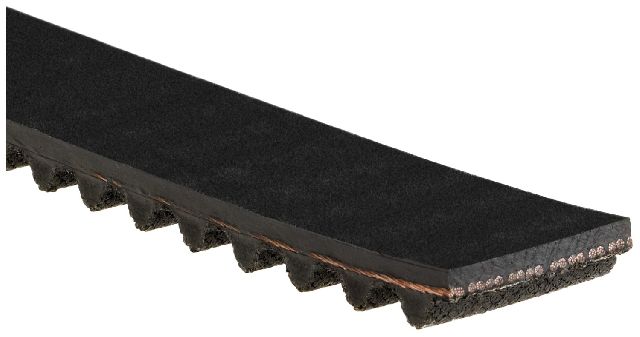
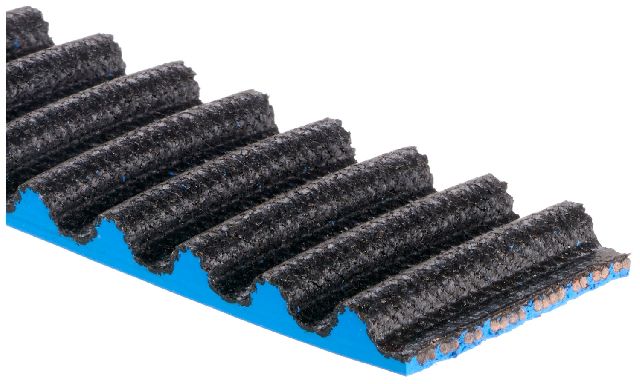
Belt material is typically HNBR (Hydrogenated Nitrile Butadiene Rubber) with fiberglass cords. Tooth count for the 2.5L 5-cylinder engine is 142. The system includes a mechanical tensioner and one or more idler pulleys.
We Have This Part in Stock

The information in this article is provided for general reference and educational purposes only. Vehicle specifications, procedures, and part compatibility can vary by production date, trim level, and region. Always consult your vehicle's factory service manual and verify part numbers before purchasing or performing repairs. Safety-critical components such as airbags, seat belts, and braking systems should be installed by a qualified professional.
- Volvo XC60: