

A Guide to the Engine Coolant Temperature Sensor for the 2015-2017 Lexus NX200t
Understanding the signs of a failing coolant sensor is key to preventing poor performance and potential engine issues in your NX200t.
- A failing sensor will most likely cause a Check Engine Light, poor fuel economy, and potential overheating.
- There are no specific recalls or TSBs for this part on the 2015-2017 NX200t, indicating it is not a common factory defect.
- For best results, choose an OEM (Denso) or a reputable aftermarket brand like Delphi or NGK.
- Total replacement cost at a repair shop is estimated to be between $270 and $333.
Symptoms of a Failing Coolant Temperature Sensor
A bad engine coolant temperature sensor can cause a range of problems, from annoying to serious. Because the sensor's data affects so many engine functions, the symptoms can sometimes be confusing. Watch for these common signs in your NX200t.
- Check Engine Light: This is often the first sign. The computer will detect a signal from the sensor that is out of the expected range and trigger a fault code. Common codes include P0115, P0117, and P0118. 🎬 See this expert explanation of the P0118 fault code.
- Poor Fuel Economy: If the sensor incorrectly tells the computer the engine is cold, the ECU will enrich the fuel mixture, similar to how a choke works on an older engine. This rich mixture wastes fuel and can lead to a noticeable drop in your miles per gallon.
- Black Smoke from Exhaust: A very rich fuel mixture can result in unburned fuel leaving the engine. This can create black smoke coming from your exhaust pipe, especially during acceleration.
- Engine Overheating or Running Too Cool: The sensor helps control the electric cooling fans. If it fails, the fans may not turn on when needed, causing the engine to overheat, especially in traffic. Conversely, if the sensor is stuck on a 'hot' reading, the fans may run constantly, preventing the engine from reaching its optimal operating temperature.
- Rough Idle and Poor Performance: An incorrect reading can cause the engine to idle erratically, hesitate, or feel sluggish because the fuel and timing calculations are based on bad information.
Is This a Common Problem on the NX200t?
Searches of the National Highway Traffic Safety Administration (NHTSA) database show no recalls or Technical Service Bulletins (TSBs) specifically for the engine coolant temperature sensor on the 2015-2017 Lexus NX200t. While individual sensor failures can happen on any vehicle, it is not a documented widespread issue for this model.
Choosing the Right Aftermarket Part
When replacing the ECT sensor, you have a choice between OEM and a variety of aftermarket brands. For a critical sensor like this, quality matters.
- Tier 1: OEM Supplier (Denso): Toyota/Lexus frequently uses Denso as the original equipment manufacturer for its electronics. Choosing a Denso-branded sensor is the closest you can get to the genuine part that came with your vehicle from the factory. The OEM part number is 89422-33030.
- Tier 2: Quality Aftermarket (Delphi, NGK, Standard Ignition): Brands like Delphi and NGK are well-respected in the industry and produce high-quality sensors that are a reliable alternative to OEM. Standard Ignition (SMP) is another long-standing brand that offers dependable parts.
- Tier 3: Economy Brands (URO Parts, Global Parts, etc.): These brands offer a lower price point. While they may function correctly, their long-term durability and the precision of their temperature readings may not match that of the higher-tier brands. For a sensor that plays a key role in engine management, it is generally recommended to invest in a higher-quality option.
Cost of Replacing the Engine Coolant Temperature Sensor
The cost to replace the sensor can vary depending on whether you do it yourself or take it to a shop.
| Item | Cost Range |
|---|---|
| New Aftermarket Part | $13 - $83 |
| New OEM Part | $74 - $101 |
| Shop Labor | $134 - $197 |
| Total Professional Replacement | $270 - $333 |
DIY Installation
Replacing the ECT sensor is a feasible DIY job for those with basic tools. The sensor is typically located on the engine block or thermostat housing, accessible by following the upper radiator hose. The process involves unplugging the electrical connector, unscrewing the old sensor, and quickly screwing the new one in to minimize coolant loss. Always perform this on a cold engine to avoid burns and the release of pressurized coolant.
🎬 Watch this guide to testing and replacing your coolant sensor.Frequently Asked Questions
Where is the engine coolant temperature sensor located on the 2015-2017 Lexus NX200t?
While an exact diagram for the NX200t was not found, on most vehicles the sensor is located near the thermostat housing. A good way to find it is to follow the large upper radiator hose from the radiator back to the engine. The sensor will be a small, two-wire plug screwed into the engine or housing in that area.
What is the OEM part number for the NX200t coolant sensor?
The genuine Lexus part number for the main engine coolant temperature sensor is 89422-33030.
Can I drive my NX200t with a bad coolant sensor?
You can, but it is not recommended for long periods. A bad sensor can cause poor fuel economy, lead to engine overheating, or prevent the engine from warming up properly, all of which can cause stress or damage over time. It is best to get it replaced as soon as possible.
Will a bad coolant sensor cause my car not to start?
It can, but it's less common. If the sensor sends a signal to the ECU that the engine is extremely hot, it might prevent the engine from starting as a protective measure. More commonly, it will cause a hard start or a rough initial idle.
Helpful Videos

Technical Specifications
OEM Part Numbers: 89422-33030
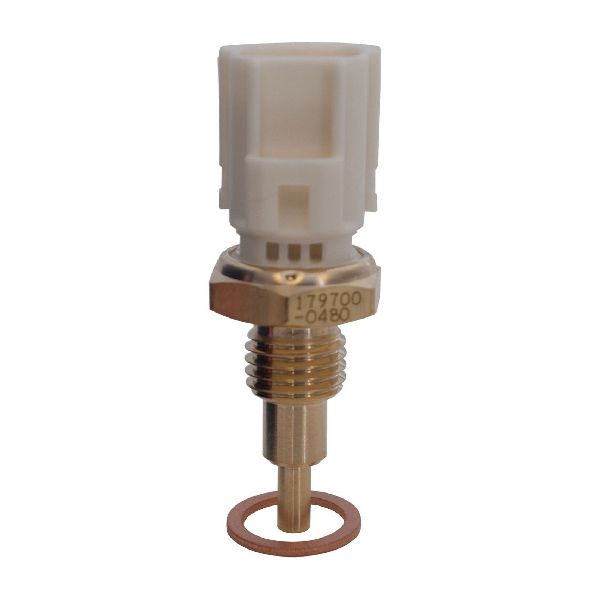
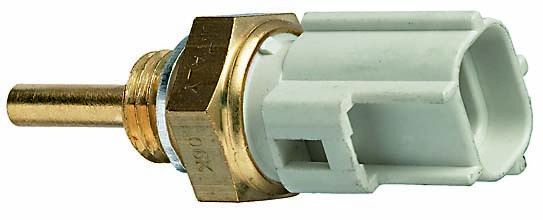
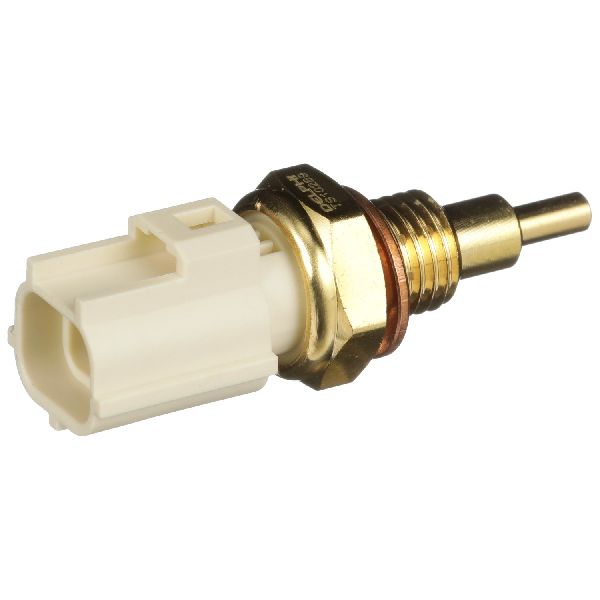
2-pin connector. Screws into engine block or thermostat housing.
We Have This Part in Stock



The information in this article is provided for general reference and educational purposes only. Vehicle specifications, procedures, and part compatibility can vary by production date, trim level, and region. Always consult your vehicle's factory service manual and verify part numbers before purchasing or performing repairs. Safety-critical components such as airbags, seat belts, and braking systems should be installed by a qualified professional.
- Lexus NX200t: