

Chevrolet Silverado 1500 Oxygen Sensor Guide for 2015-2019 Models
Is your truck's check engine light on? A faulty oxygen sensor could be the culprit, affecting your fuel economy and engine health.
- Choose an OEM-equivalent brand like Denso or NGK/NTK for best results; they are the likely original manufacturers for GM.
- A check engine light for an O2 sensor can sometimes be caused by an exhaust or intake manifold leak.
- Upstream sensors (Sensor 1) fail more often and have a greater impact on engine performance than downstream sensors.
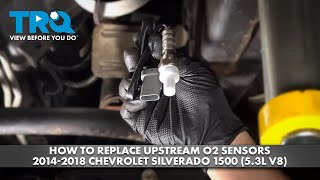
- Always use a special O2 sensor socket and penetrating oil to make the replacement job easier and avoid breaking the old sensor.
Is Your Oxygen Sensor Failing?

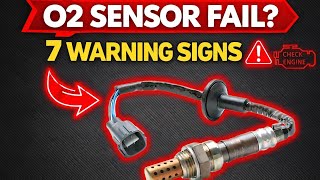
A bad oxygen sensor won't leave you stranded, but it will cause problems. Ignoring the signs can lead to poor performance, wasted fuel, and potential damage to expensive parts like your catalytic converters. Watch for these common symptoms.
🎬 Watch: 7 symptoms of a bad oxygen sensor you shouldn't ignore.Choosing the Right Aftermarket Oxygen Sensor
When replacing an O2 sensor on your Silverado, the brand you choose matters. The truck's computer is sensitive and expects signals from a sensor that performs exactly like the original. Using a low-quality, no-name sensor can cause persistent check engine lights and performance issues.
Here’s a breakdown of trusted aftermarket brands:
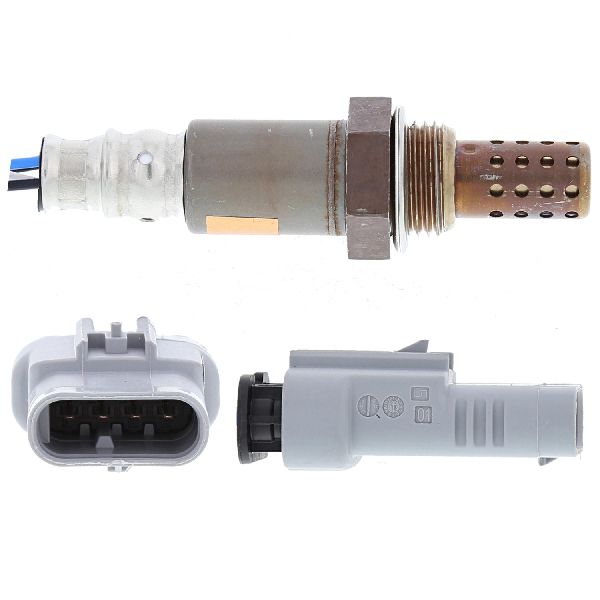
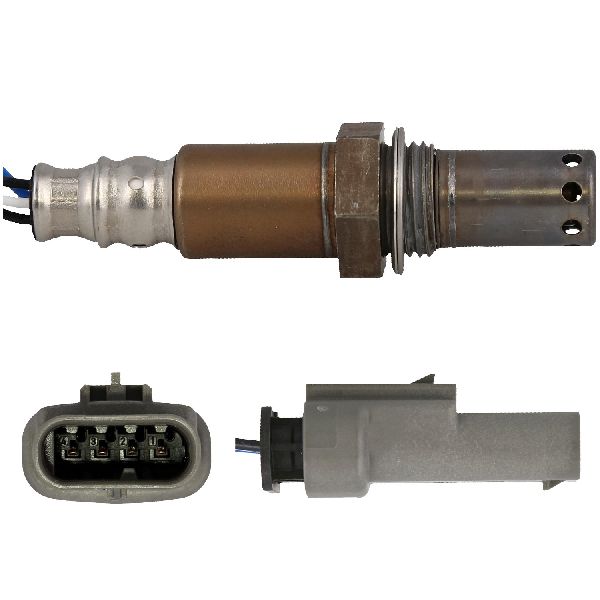
- Tier 1 (OEM Equivalent): ACDelco, Denso, NGK/NTK. ACDelco is the genuine GM brand. However, the original sensors in your truck were likely made by Denso or NGK. Choosing a Denso or NGK (also sold as NTK) sensor is like getting the original part without the dealership price tag. They are widely recommended by mechanics for a perfect fit and reliable performance.
- Tier 2 (Reputable Aftermarket): Bosch. Bosch invented the oxygen sensor and is a massive global supplier. While they make quality parts, some GM truck owners in forums report occasional compatibility issues. They are generally a solid choice but most experts prefer Denso or NGK for this specific truck.
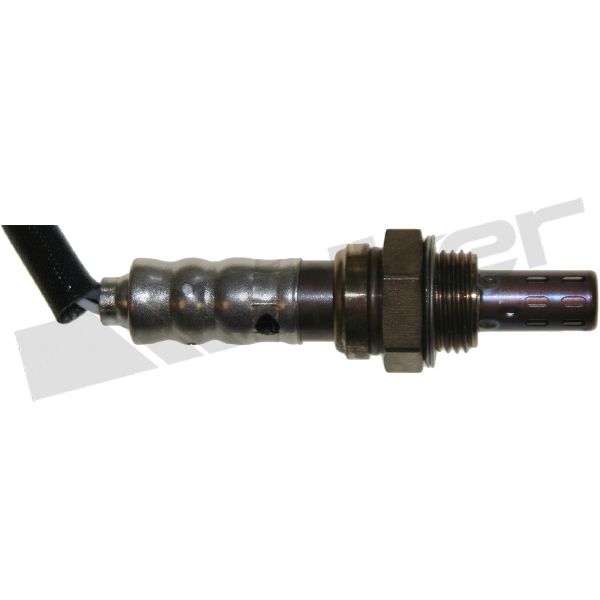
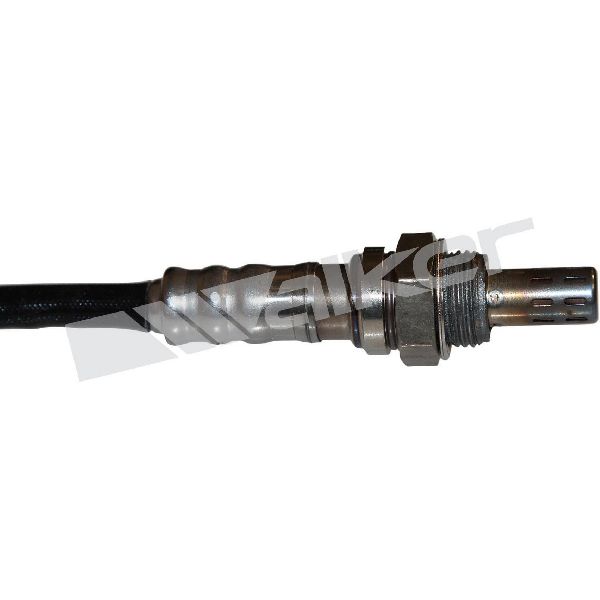
- Tier 3 (Budget-Friendly): Walker Products. Walker is a well-known aftermarket exhaust parts company. Their sensors are a cost-effective option that can get the job done, but may not have the same longevity or precise performance as the OEM-equivalent brands.
Cost of Replacing an Oxygen Sensor
The cost depends on whether you do it yourself or go to a shop. Your Silverado has four sensors, and the price can vary slightly between upstream and downstream models.
| Item | Estimated Cost |
|---|---|
| New Aftermarket Oxygen Sensor (Single) | $51.72 - $194.93 |
| New OEM Oxygen Sensor (Single) | $150 - $250 |
| Shop Labor Cost | $100 - $200 |
| Total Professional Replacement (Aftermarket Part) | $150 - $400 |
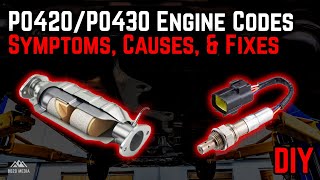
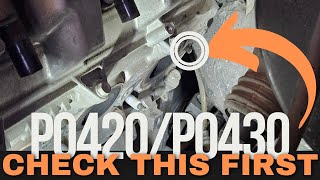
If your truck shows a P0420 or P0430 code, don't immediately blame the oxygen sensor. These codes mean "Catalyst System Efficiency Below Threshold." While a bad downstream sensor can cause this, it often indicates a failing catalytic converter or an exhaust leak. Always have a mechanic diagnose the issue properly to avoid replacing the wrong part. 🎬 Watch: Everything you need to know about P0420 and P0430 codes.
Frequently Asked Questions

Are there any recalls or known issues for my truck's O2 sensors?
There are no active recalls for oxygen sensors on the 2015-2019 Silverado 1500. However, GM did issue internal documents (TSB PIE0303 and PIP5633) for early models in this generation, acknowledging check engine lights related to O2 sensors. The bulletins advise technicians to check for exhaust leaks and wiring issues before replacing sensors, which is good advice for any owner.
What's the difference between upstream and downstream sensors?
Upstream sensors (Sensor 1) are located in the exhaust manifold before the catalytic converter. They are critical for managing the air-fuel ratio. Downstream sensors (Sensor 2) are located after the catalytic converter and primarily monitor its efficiency. If you have a performance issue like bad MPG or a rough idle, the upstream sensor is the likely cause.
Should I replace all four O2 sensors at once?
It's not always necessary, but it is good practice. O2 sensors wear out over time, typically between 60,000 and 100,000 miles. If one has failed, the others may not be far behind. For best engine performance, it's recommended to replace upstream sensors in pairs (both Bank 1 and Bank 2).
Can I use a cheap, unbranded O2 sensor from Amazon or eBay?
It is not recommended. Many cheap, unbranded sensors use lower-quality components, have incorrect heater resistance, or respond too slowly to changes in the exhaust. This can confuse your truck's computer, leading to persistent check engine lights and poor performance, even with a "new" part. Sticking with a trusted brand like Denso or NGK is worth the small extra cost.
Helpful Videos

Technical Specifications
OEM Part Numbers: 12677895 12663317 12684201 12663318
Your truck uses four heated, 4-wire oxygen sensors. Two are upstream (Bank 1 Sensor 1 and Bank 2 Sensor 1) and two are downstream (Bank 1 Sensor 2 and Bank 2 Sensor 2). Bank 1 is the driver's side and Bank 2 is the passenger's side.
We Have This Part in Stock


The information in this article is provided for general reference and educational purposes only. Vehicle specifications, procedures, and part compatibility can vary by production date, trim level, and region. Always consult your vehicle's factory service manual and verify part numbers before purchasing or performing repairs. Safety-critical components such as airbags, seat belts, and braking systems should be installed by a qualified professional.
- Chevrolet Silverado 1500: