

Guide to the 2017-2019 Chrysler Pacifica Engine Camshaft Position Sensor
Experiencing stalling, a rough idle, or a check engine light on your Pacifica? This small but critical sensor could be the culprit.
- The 2017-2019 Pacifica has four camshaft position sensors; fault codes P0340/P0344 point to the rear bank (Bank 1) and P0345/P0349 point to the front bank (Bank 2).
- Symptoms include stalling, rough idle, difficulty starting, and a check engine light.
- For best results, choose OEM-equivalent aftermarket brands like Delphi, NGK/NTK, or Hitachi for this critical sensor.
- Replacement is an easy DIY job for the front sensors (Bank 2), requiring only basic tools and about 30 minutes.
Understanding Camshaft Position Sensor Failure in Your Pacifica

If you're driving a 2017-2019 Chrysler Pacifica, you have a reliable minivan, but like any vehicle, some parts can wear out. A common part that can fail on the 3.6L Pentastar engine is the camshaft position sensor. Failure of this sensor is known to cause a range of frustrating issues, from making the van hard to start to causing it to stall unexpectedly. Recognizing the symptoms is the first step to getting your Pacifica running smoothly again.
Known Issue: Engine Stalling
While not always caused by a faulty camshaft position sensor, a notable recall (NHTSA Campaign Number 18V048000) was issued for 2017 Pacifica models due to engine stalling. The fix was a software update to the engine control module. However, a bad camshaft sensor can produce identical symptoms, including stalling at low speeds, so it's a primary suspect if your van is experiencing these issues, especially if a check engine light is on.
Symptoms of a Bad Camshaft Position Sensor

- Check Engine Light: This is the most common sign. The system will store diagnostic trouble codes (DTCs) like P0340, P0344, P0345, or P0349.
- Engine Stalling: The engine may shut off unexpectedly, often at low speeds or when idling. This is a serious safety concern.
- Difficulty Starting: The engine may crank for a long time before starting, or it might not start at all.
- Rough Idle and Misfires: Your van may shake or vibrate when stopped, and the engine might sound like it's stumbling or hesitating.
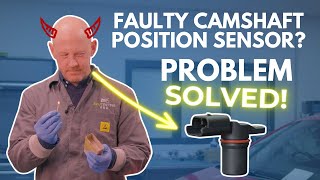
- Reduced Power and Fuel Economy: A bad sensor can cause the engine to run inefficiently, leading to poor acceleration and more trips to the gas station. 🎬 Watch: How to test and fix bad camshaft sensor symptoms
Choosing the Right Aftermarket Sensor

When replacing a critical electronic part like a camshaft position sensor, the brand you choose matters. You don't have to buy the expensive OEM part from the dealer, but it's wise to avoid the cheapest options, which can fail prematurely. Aftermarket brands can be grouped into tiers based on quality and reputation.
Pro Tip: How Many Sensors to Replace?
Your Pacifica's 3.6L engine has four camshaft sensors. While you only need to replace the one that has failed, many mechanics recommend replacing them in pairs (both on Bank 1 or Bank 2) or all four at once if your vehicle has high mileage. They are all the same age and have experienced the same conditions, so if one has failed, others may not be far behind.
Tier 1: OEM-Equivalent Brands
These brands are often original equipment suppliers to automakers or have a reputation for engineering parts that meet or exceed factory specifications. For a critical sensor, this is your most reliable choice.
- Delphi: As a former part of GM, Delphi has a long history of producing high-quality electronic components that are trusted by professionals.
- NGK / NTK: Well-known for spark plugs, NGK's NTK electronics division produces sensors with a strong reputation for quality and reliability.
- Hitachi: An established OEM supplier, Hitachi parts are known for their durability and precise function, making them a safe bet.
Tier 2: Reputable Aftermarket Brands
These brands offer a great balance of performance, reliability, and cost. They are a solid choice for most repairs.
- Standard Ignition (SMP): A long-standing name in aftermarket parts, Standard Motor Products offers sensors that are widely tested and trusted.
- Dorman: Dorman is known for providing a huge range of aftermarket solutions. While sometimes viewed as a budget brand, their sensors for common applications like this are generally reliable and widely available.
Tier 3: Value-Focused Brands
These brands compete primarily on price. They can be a good option for a tight budget, but quality can be less consistent. If choosing one of these, pay close attention to the warranty.
- Crown Automotive, Holstein, Encore, True Tech, Global Parts, Vemo: These brands provide a cost-effective alternative. They are functional replacements, but may not have the same longevity or rigorous testing as higher-tier brands.
Cost of Replacing a Camshaft Position Sensor
The cost can vary depending on the brand of the part and labor rates in your area. Since the job is relatively easy, labor costs should be minimal.
| Item | Estimated Cost |
|---|---|
| New Aftermarket Part | $32 - $90 (per sensor) |
| New OEM (Mopar) Part | $70 - $120 (per sensor) |
| Shop Labor | $60 - $120 |
| Total Estimated Cost (DIY) | $32 - $90 |
| Total Estimated Cost (Shop) | $92 - $210 |
Frequently Asked Questions (FAQ)

Is this a difficult repair to do myself?
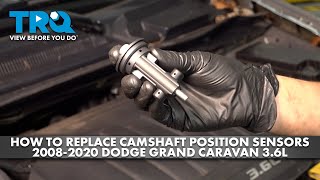
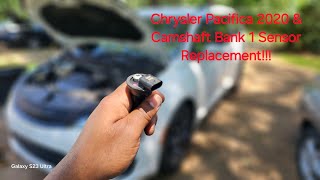
No, this is a very DIY-friendly repair. The sensors are located on the top of the engine and are typically held in by a single T30 Torx bolt. For the sensors at the front of the engine (Bank 2), you only need to remove the plastic engine cover and air intake tube. The sensors at the rear (Bank 1) are harder to reach and may require removing the upper intake manifold 🎬 See this quick walkthrough for replacing the Bank 1 sensor for easier access. The entire job for one sensor can be done in under an hour with basic hand tools.
What's the difference between Bank 1 and Bank 2?
On the Chrysler Pacifica's transverse-mounted 3.6L engine, Bank 1 is the cylinder head closer to the firewall (the rear), and Bank 2 is the cylinder head closer to the radiator (the front). Your diagnostic trouble code will tell you which bank has the faulty sensor. For example, codes P0340 and P0344 refer to Bank 1, while P0345 and P0349 refer to Bank 2.
Do I need to do a 'relearn' procedure after installing a new sensor?
Generally, no specific relearn procedure is required for this part. However, it is always a good practice to disconnect the negative battery terminal for about 15 minutes before starting the work. This will reset the engine computer, clear the fault codes, and allow it to recognize the new sensor upon startup.
Can a bad oil level cause camshaft sensor codes?
Yes. The 3.6L Pentastar engine uses oil pressure to operate its variable valve timing (VVT) system, which includes the cam phasers. If the engine oil is very low or dirty, it can cause the phasers to respond slowly, which can trigger camshaft position sensor-related fault codes. Before replacing sensors, always ensure your oil level is correct and the oil is in good condition.
🎬 Watch: Other possible causes for 3.6L camshaft sensor codesHelpful Videos

Technical Specifications
OEM Part Numbers: 5149141AF 05149141AF
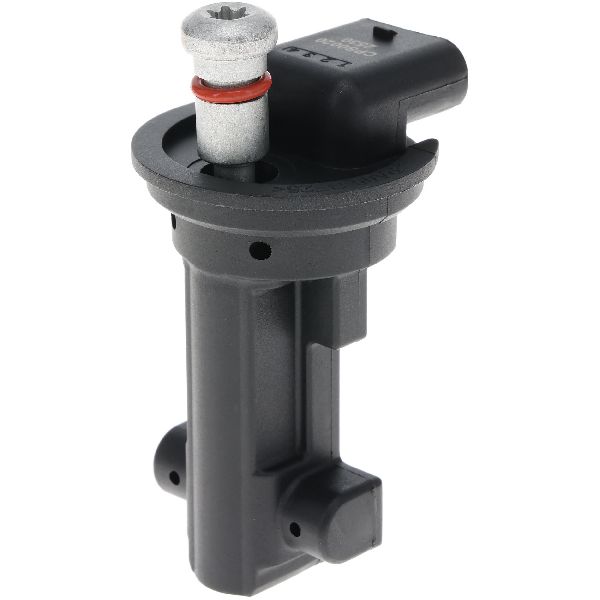
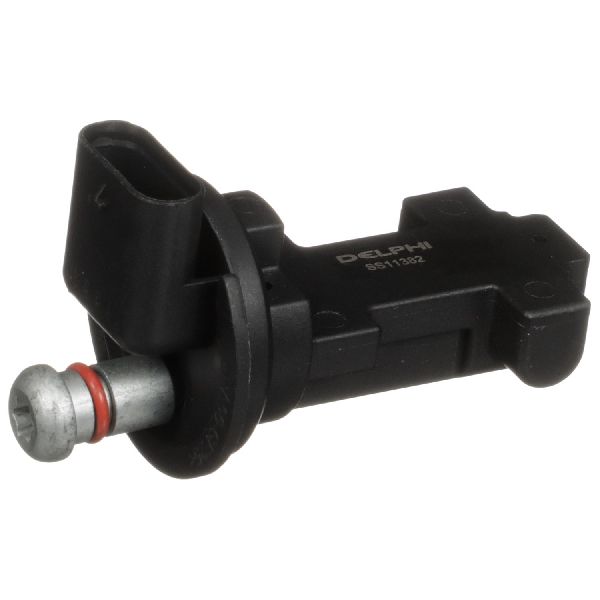
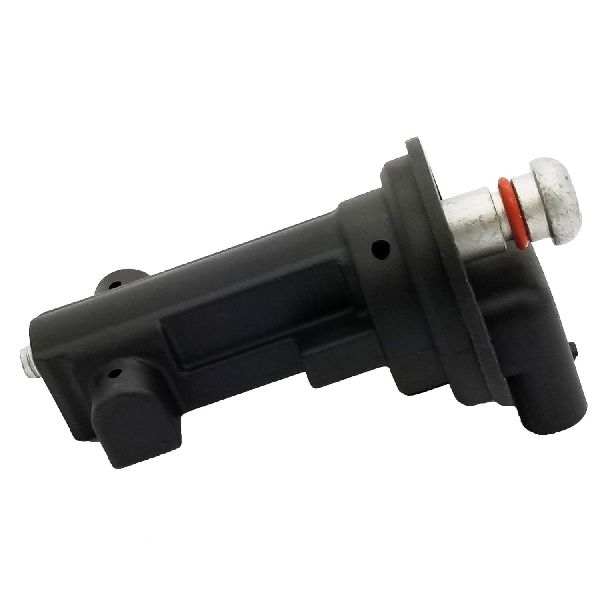
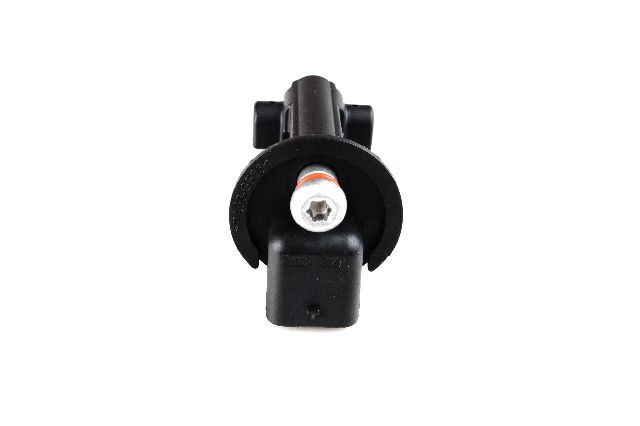
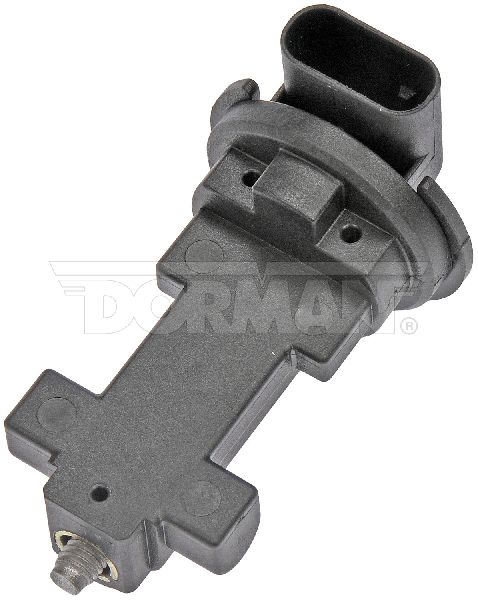
The 3.6L Pentastar V6 engine uses four identical camshaft position sensors. Two are located on the front cylinder head (Bank 2) and two are on the rear cylinder head (Bank 1). Each sensor is a Hall-effect type, held in place by a single T30 Torx bolt.
We Have This Part in Stock


The information in this article is provided for general reference and educational purposes only. Vehicle specifications, procedures, and part compatibility can vary by production date, trim level, and region. Always consult your vehicle's factory service manual and verify part numbers before purchasing or performing repairs. Safety-critical components such as airbags, seat belts, and braking systems should be installed by a qualified professional.
- Chrysler Pacifica:
- 🎬 Helpful Videos
- 🛍️ Shop This Part
- Understanding Camshaft Position Sensor Failure in Your Pacifica
- Known Issue: Engine Stalling
- Symptoms of a Bad Camshaft Position Sensor
- Choosing the Right Aftermarket Sensor
- Pro Tip: How Many Sensors to Replace?
- Tier 1: OEM-Equivalent Brands
- Tier 2: Reputable Aftermarket Brands
- Tier 3: Value-Focused Brands
- Cost of Replacing a Camshaft Position Sensor
- Frequently Asked Questions (FAQ)
- 🎟️ Get 5% Off