

A Comprehensive Guide to the 2015-2019 GMC Sierra Automatic Transmission Mount
If your truck clunks into gear or vibrates at stoplights, your transmission mount might be the culprit.
- A loud clunk when shifting into gear is the most common symptom of a failed transmission mount.
- Vibrations at idle could be the transmission mount, but are also commonly caused by failed engine mounts, as noted in TSB 17-NA-166.
- OEM mounts are typically fluid-filled (hydro-mounts) for better vibration damping, while most aftermarket options are solid rubber, offering a cost-saving alternative.
- Driving with a bad mount is possible, but it should be repaired soon to avoid damage to other drivetrain and exhaust components.
Is Your Sierra Shaking or Clunking? Signs of a Bad Transmission Mount
A failing transmission mount makes itself known through distinct noises and vibrations. Because the original mount is often fluid-filled, a leak is a dead giveaway that it needs replacement. Watch for these common symptoms:
- Clunking or Banging Noises: This is the most frequent complaint. You may hear a loud clunk or thud when shifting from Park into Drive or Reverse. The noise can also happen during hard acceleration as the transmission shifts and moves excessively.
- Excessive Vibration: You might feel a new vibration through the floor, seats, or steering wheel, especially when the truck is stopped in Drive. This happens because the worn-out rubber can no longer absorb the engine's vibrations, passing them into the frame.
- Visible Leaks: If you see dark, oily fluid on the transmission crossmember directly below the mount, the internal hydraulic fluid has likely leaked out, and the mount has failed.
A Related Issue: TSB 17-NA-166 for Engine Vibration
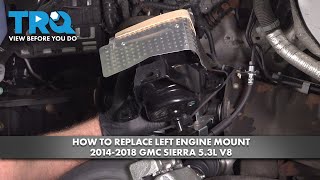
General Motors issued Technical Service Bulletin (TSB) 17-NA-166 for a rough idle or vibration felt in 2015-2019 Sierras. This issue is often caused by the engine mounts failing and "grounding out" against the frame. Because the symptoms are so similar, it's important to inspect both your engine and transmission mounts. Often, replacing all three mounts 🎬 See this walkthrough on how to replace the engine mounts. (two engine, one transmission) is the best way to fully resolve the vibration.
Choosing the Right Aftermarket Mount: OEM vs. Aftermarket
When replacing your transmission mount, you have a choice between original equipment (OEM) and aftermarket parts. For this specific truck, the difference often comes down to the type of mount.
- OEM (Original Equipment Manufacturer): Genuine GM or ACDelco mounts are typically hydraulic (fluid-filled) to provide the best vibration absorption for a smooth, factory ride. This is the recommended choice if your top priority is eliminating all cabin vibrations, but it comes at a higher cost.
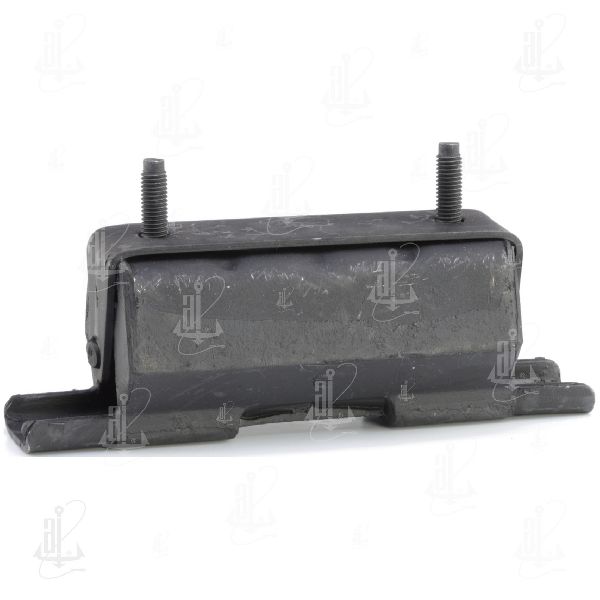
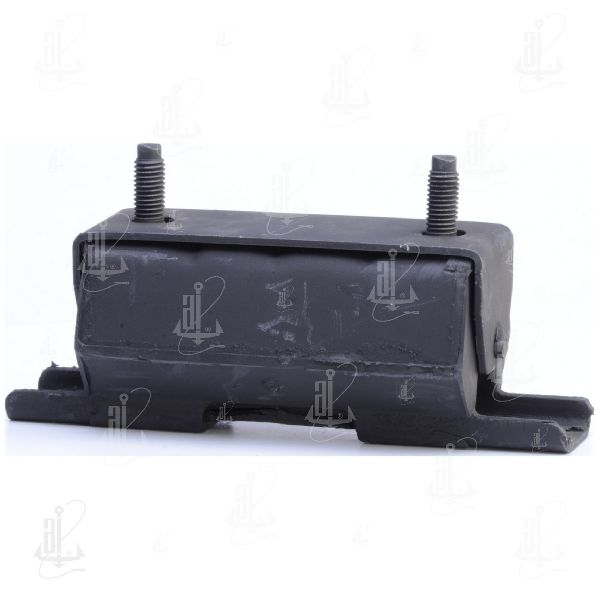
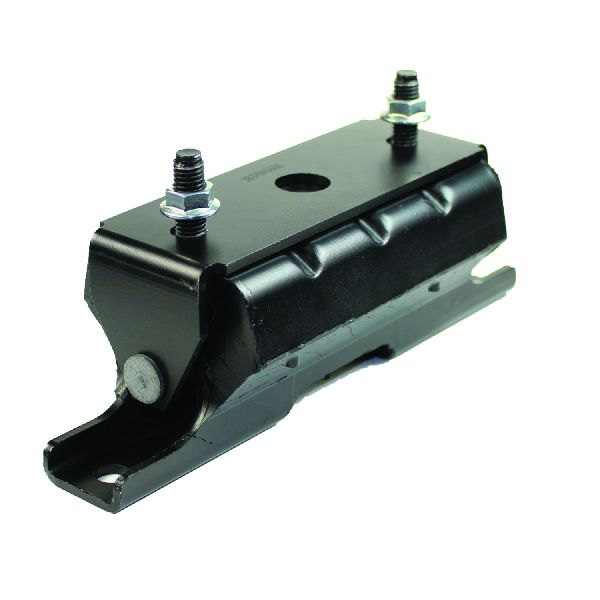
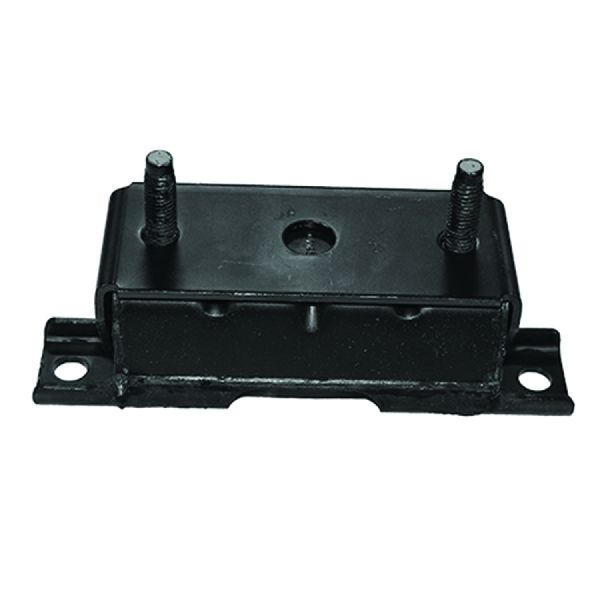
- Aftermarket (Anchor, DEA, Westar): These brands offer a cost-effective solution and are widely available. Most standard aftermarket mounts are made of solid rubber instead of being fluid-filled. While they will secure your transmission and fix clunking noises, they may not dampen idle vibrations as effectively as the OEM hydro-mount. For many owners, this is an acceptable trade-off for the significant cost savings. These brands are considered standard, budget-friendly replacements.
Pro Tip: To check your mount, have a friend watch the engine as you hold the brake and briefly shift between Drive and Reverse. If the engine and transmission assembly lurches or moves excessively, the mount is likely worn out. You can also safely raise the vehicle and use a pry bar to check for excess play in the mount.
Replacement Cost
The cost to replace a transmission mount varies based on the parts you choose and whether you do the work yourself. The job is feasible for a DIYer with basic tools.
| Part/Service | Estimated Cost |
|---|---|
| New OEM Part | $80 - $120 |
| New Aftermarket Part | $24 - $71 |
| Shop Labor | $91 - $133 |
| Total Professional Replacement | $171 - $253 |
Frequently Asked Questions (FAQ)
Can I drive with a bad transmission mount?
Yes, but it's not recommended for long. A failed mount puts extra stress on your engine mounts, driveshaft, U-joints, and exhaust system, which can lead to more expensive repairs down the road. It should be replaced as soon as possible.
Will a new transmission mount fix my truck's transmission shudder?
No. A bad mount causes a "clunk" when shifting or a vibration at idle. A shudder (feeling like you're driving over rumble strips) during acceleration is typically a separate, known issue with the internal components of the 8-speed or 10-speed transmissions, such as the torque converter.
How hard is it to replace the transmission mount myself?
For a 2015-2019 Sierra, it's a relatively simple job. The basic steps involve supporting the transmission with a jack and a block of wood, unbolting the transmission crossmember, and then unbolting and swapping the mount itself. It typically requires a 15mm socket and extensions and can be done in about 1-2 hours.
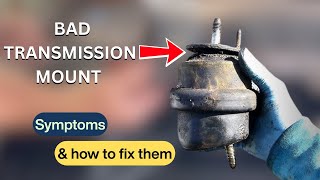
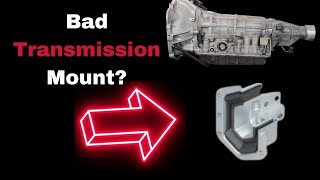
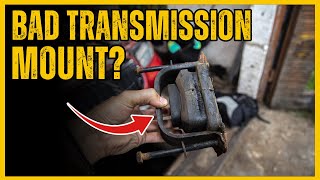
🎬 Watch: How to diagnose and fix a bad transmission mount.Should I replace my engine mounts at the same time?
If your truck is vibrating at idle, it's a very good idea. As mentioned in TSB 17-NA-166, the engine mounts are a common failure point that causes vibration. Since a bad transmission mount puts extra stress on the engine mounts (and vice-versa), replacing all three at once is the best way to ensure a lasting, smooth ride.
Helpful Videos
Technical Specifications
OEM Part Numbers: 22819202 84342225 22787673
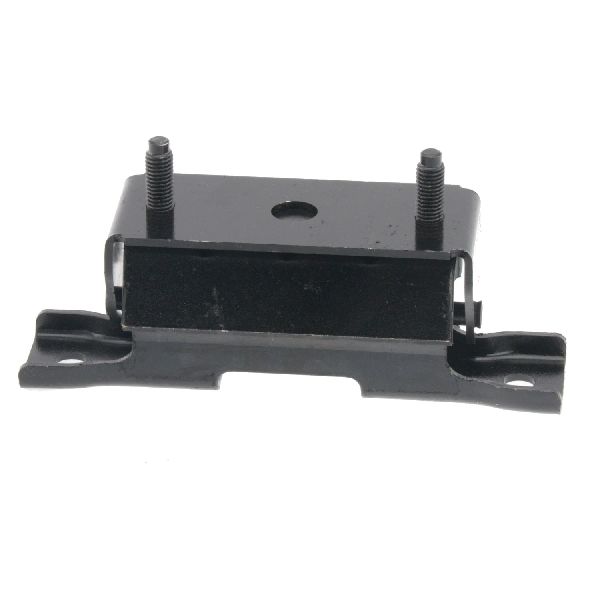
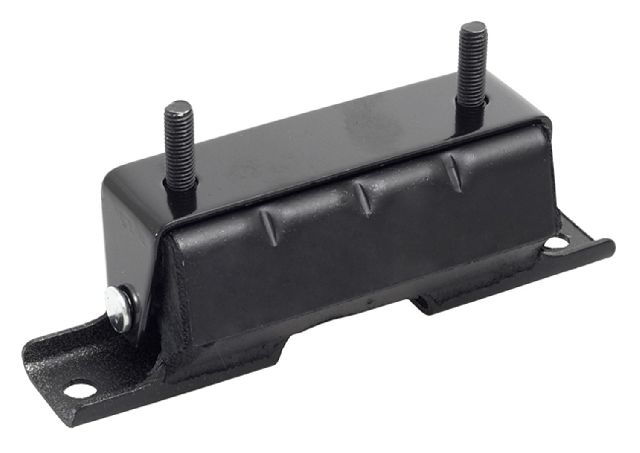
The transmission mount for the 2015-2019 GMC Sierra is a single mount located at the rear of the transmission, attaching it to the frame crossmember. It is often a hydraulic-filled mount from the factory. Aftermarket part numbers include Anchor 3249, DEA A5649, and Westar EM-4156.
We Have This Part in Stock

The information in this article is provided for general reference and educational purposes only. Vehicle specifications, procedures, and part compatibility can vary by production date, trim level, and region. Always consult your vehicle's factory service manual and verify part numbers before purchasing or performing repairs. Safety-critical components such as airbags, seat belts, and braking systems should be installed by a qualified professional.
- GMC Sierra: