

A Guide to Replacing Shocks and Struts on Your 2015-2019 Mazda 3
Restore your Mazda 3's signature handling and ride quality by choosing the right replacement shocks and struts.
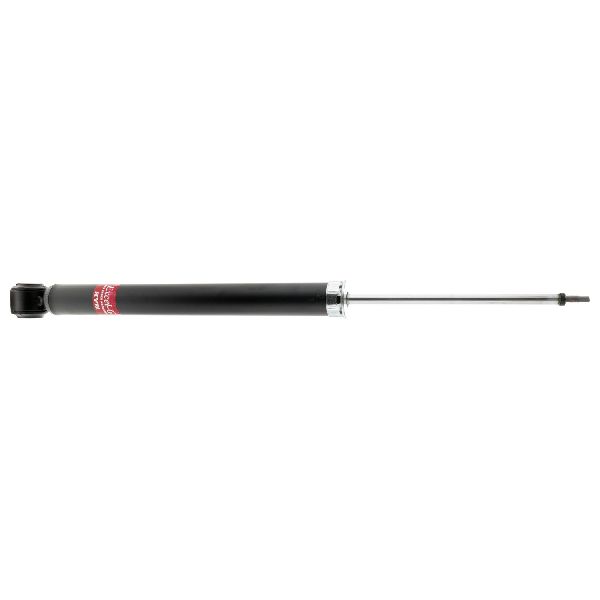
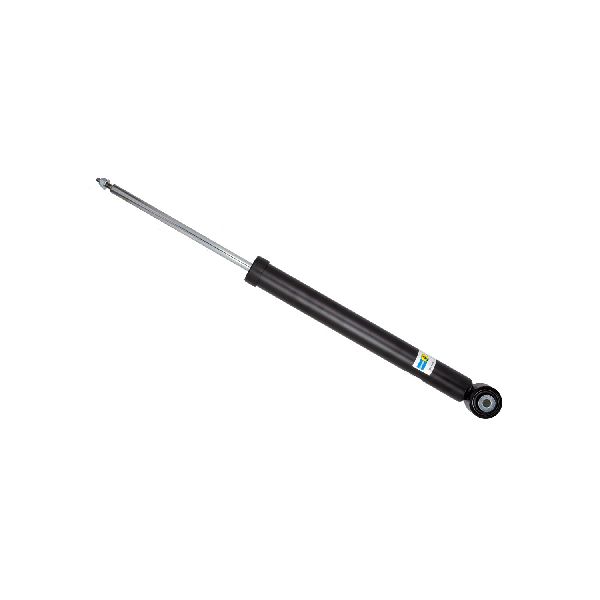
- Your Mazda 3 uses struts in the front and separate shocks in the rear; ensure you are buying the correct part for the location.
- For an OEM-like ride, choose KYB or Monroe. For a performance upgrade, consider Bilstein B6 or Koni.
- A TSB exists for creaking noises from the front suspension due to potentially breaking coil springs on 2014-2018 models.
- Always replace shocks and struts in pairs (front or rear) and get a wheel alignment after replacing front struts.
Understanding Your Mazda 3's Suspension Setup
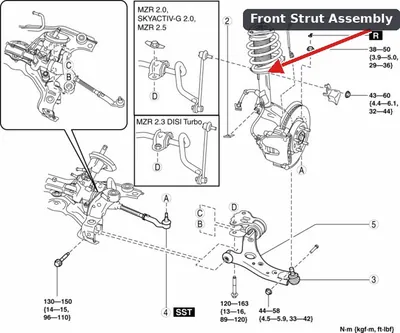
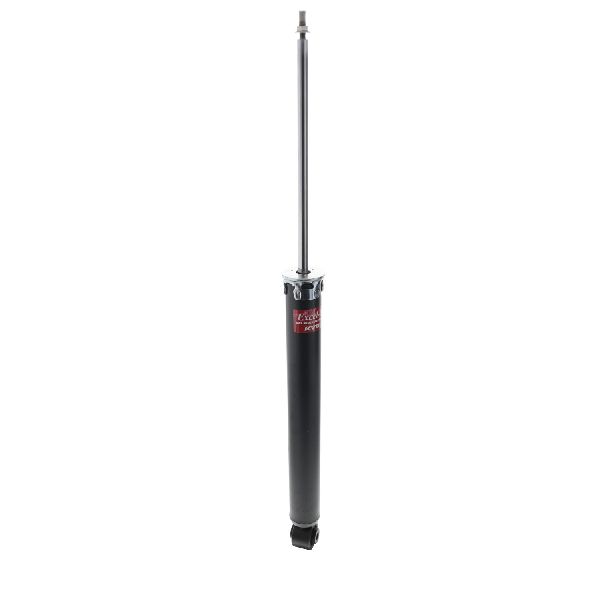
The third-generation Mazda 3 is known for its responsive handling. The suspension is a critical part of that formula. Up front, it uses MacPherson struts, and the rear has a multi-link setup with separate shock absorbers and springs. This distinction is important. When you're shopping for front suspension parts, you'll often be looking for a "strut" or a "complete strut assembly." For the rear, you'll be looking for a "shock absorber."
Is it Time for a Replacement? Common Failure Symptoms
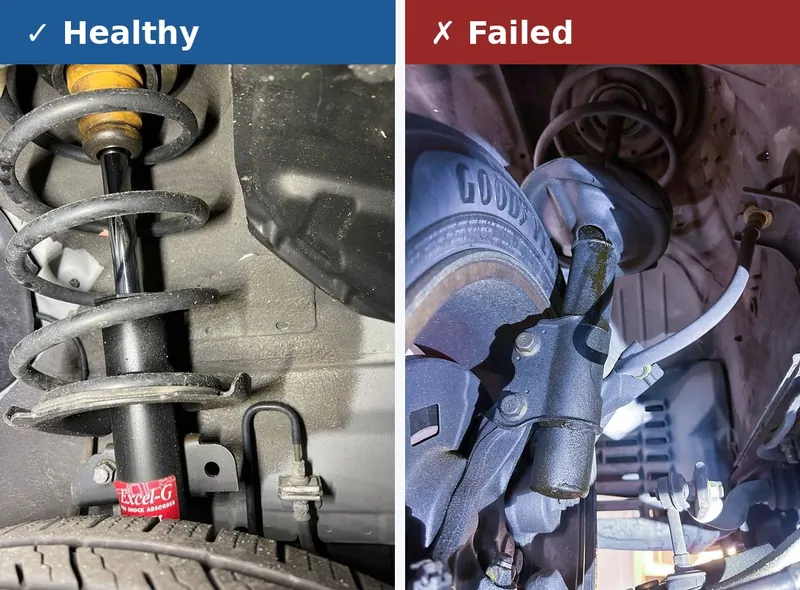
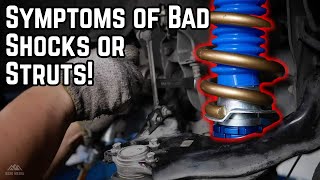
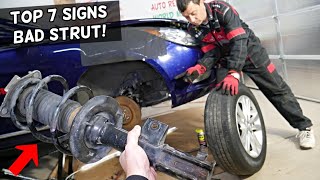
Shocks and struts don't last forever; a typical service life is around 50,000 miles, but this can vary. Some owners have reported rear shocks leaking prematurely, sometimes as early as 25,000 miles. Look for these signs:
🎬 Watch this video to see common bad shock symptoms.- Bouncy or Unstable Ride: If your car feels like it's floating or bounces multiple times after hitting a bump, the shocks are likely worn out.
- Nose-Diving or Squatting: The front of the car dipping excessively when you brake, or the rear squatting when you accelerate, points to weak struts or shocks.
- Unusual Noises: Clunking, knocking, or creaking sounds when going over bumps can indicate worn suspension components.
- Visible Fluid Leaks: If you see oily fluid on the body of the shock or strut, its internal seal has failed and it needs to be replaced.
- Uneven Tire Wear: Worn struts can cause a specific pattern of tire wear called "cupping," where high and low spots form on the tread.
Known Issues and TSBs
Mazda issued Technical Service Bulletin (TSB) 02-005/19 for some 2014-2018 Mazda 3 models. It addresses a creaking noise from the front shock absorber area, which can be caused by a broken coil spring. The TSB states that mud and sand can get trapped in the lower spring seat, causing the spring to rust and eventually break. While this doesn't mean every car will have this issue, it's a known possibility for this generation.
Choosing the Right Aftermarket Shocks & Struts
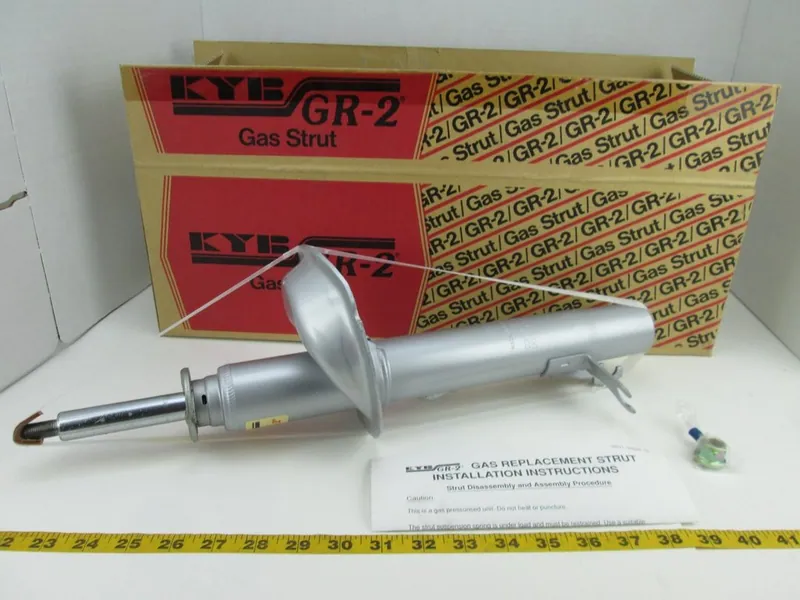
Aftermarket parts offer a wide range of options, from direct OEM-style replacements to performance upgrades. Here’s a breakdown of the available brands:
OEM-Equivalent Brands
These brands aim to restore the original ride and handling characteristics of your Mazda 3.
- KYB: As a major supplier of original equipment shocks to many Japanese automakers, KYB is a trusted choice for a factory-quality replacement. Their Excel-G line is a popular option that closely matches the OEM ride.
- Monroe: The OESpectrum line is designed to provide a smooth, controlled ride, often filtering out harshness better than the original parts. They are a solid choice for daily driving comfort.
Performance Upgrade Brands
If you want to enhance your Mazda 3's already sporty handling, these brands are for you.
- Bilstein: Bilstein offers different tiers. The B4 series provides an OEM-quality ride, while the B6 Performance series offers a significant step up in handling with stiffer valving for a firmer, more controlled feel.
- Koni: Koni is known for high-performance, often adjustable, shocks. The Special Active (red) shocks use dynamic valving that adjusts automatically for comfort during cruising and stiffness during cornering. The Sport (yellow) shocks are even stiffer and often feature manual adjustment.
Budget-Friendly Brands
- FCS Struts: FCS is a budget-oriented brand. While they will get the job done, some owners report they provide a less controlled ride with more nosedive during braking compared to OEM or other aftermarket brands. They may be a choice if the price is the primary concern, but they may not match the quality or longevity of other options.
Pro Tip: Replace in Pairs
Always replace shocks and struts in pairs (both fronts or both rears). Replacing only one can lead to unbalanced handling and unpredictable vehicle behavior. Also, a wheel alignment is highly recommended after replacing front struts to ensure proper handling and prevent premature tire wear.
Cost of Replacing Mazda 3 Shocks and Struts

| Part | Price Range (Parts Only) |
|---|---|
| New Aftermarket Front Struts (Pair) | $80 - $460 |
| New Aftermarket Rear Shocks (Pair) | $78 - $400 |
| New OEM Front Strut (One) | $250 - $275 |
| New OEM Rear Shock (One) | ~$90 |
| Shop Labor (Front Pair) | $240 - $350 |
| Shop Labor (Rear Pair) | $150 - $250 |
Frequently Asked Questions
Do I need to replace the springs with the struts?
Not always. If your springs are not broken, sagging, or heavily rusted, you can often reuse them. However, to make the job easier and safer, you can buy a "complete strut assembly" or "Quick-Strut," which includes a new strut, spring, and mount all in one unit. This eliminates the need to use a dangerous spring compressor tool.
Are there any recalls for the 2015-2019 Mazda 3 suspension?
There are no specific recalls for the shocks or struts on the 2015-2019 Mazda 3. There was a recall for some 2019 models concerning lug nuts that could loosen, which might cause a rattling noise that could be mistaken for a suspension problem.
Can I replace just the rear shocks?
Yes. The front struts and rear shocks wear at different rates. It is common to replace just the rears or just the fronts, as long as you replace them as a pair (left and right).
How difficult is it to replace Mazda 3 shocks and struts myself?
Replacing the rear shocks is a relatively straightforward job for a DIYer 🎬 Follow this step-by-step guide to replace your rear shocks. with basic tools and can take a couple of hours. Replacing the front struts is more complex because it requires a spring compressor to swap the old spring onto the new strut, which can be dangerous. Opting for a complete strut assembly makes the front replacement much safer and easier.
Helpful Videos
Technical Specifications
OEM Part Numbers: BGV4-28-910 BHN2-28-910B BJS7-34-700D
The 2015-2019 Mazda 3 uses a front MacPherson strut suspension and a rear multi-link suspension with separate coil springs and shock absorbers.
We Have This Part in Stock


The information in this article is provided for general reference and educational purposes only. Vehicle specifications, procedures, and part compatibility can vary by production date, trim level, and region. Always consult your vehicle's factory service manual and verify part numbers before purchasing or performing repairs. Safety-critical components such as airbags, seat belts, and braking systems should be installed by a qualified professional.
- Mazda 3:
- 🎬 Helpful Videos
- 🛍️ Shop This Part
- Understanding Your Mazda 3's Suspension Setup
- Is it Time for a Replacement? Common Failure Symptoms
- Known Issues and TSBs
- Choosing the Right Aftermarket Shocks & Struts
- OEM-Equivalent Brands
- Performance Upgrade Brands
- Budget-Friendly Brands
- Pro Tip: Replace in Pairs
- Cost of Replacing Mazda 3 Shocks and Struts
- Frequently Asked Questions
- 🎟️ Get 5% Off