

Subaru Forester Air/Fuel Ratio Sensor Guide (2015-2019)
Dealing with a Check Engine Light or poor gas mileage on your Forester? Your Air/Fuel Ratio sensor could be the problem.
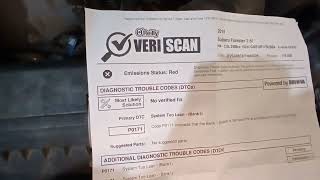
- The most common sign of failure is a Check Engine Light with code P0171.
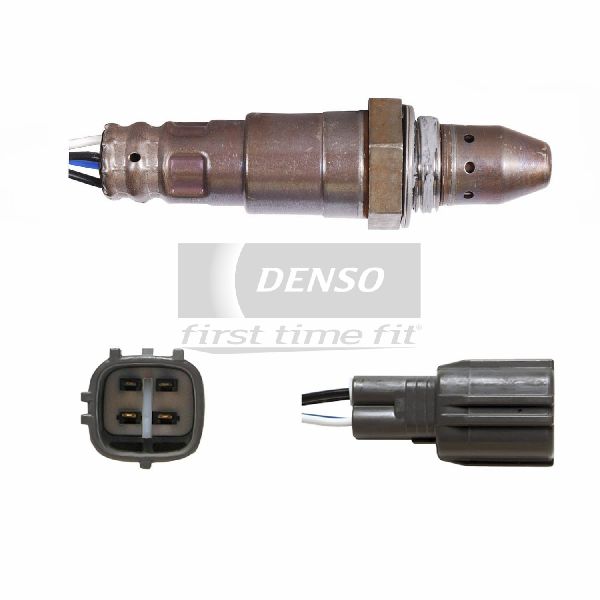
- Denso is the Original Equipment Manufacturer (OEM); buying an aftermarket Denso sensor is the best value for OEM quality.
- Do not use cheap, unbranded sensors, as they are known to cause problems on Subarus.
- The sensor can be difficult to remove without a special O2 sensor socket and penetrating lubricant.
Is Your Forester's A/F Sensor Failing?
When the Air/Fuel Ratio sensor starts to wear out, it sends slow or incorrect information to your engine's computer. This can cause a variety of noticeable problems. The most common sign is the Check Engine Light illuminating on your dashboard. You may also experience a sudden drop in fuel economy, a rough or shaky idle, hesitation when you accelerate, or even a strong smell of gasoline from the exhaust.
Check for Simple Fixes First
The code P0171 (System Too Lean) is very common when the A/F sensor fails. However, this code can also be triggered by a simple vacuum leak. Before buying a new sensor, check that your engine air filter housing is closed and sealed correctly, as an improper seal is a known cause for this code on Foresters.
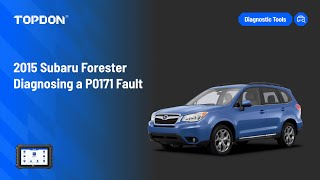
🎬 Watch this guide on diagnosing a P0171 fault code.Choosing the Right Aftermarket A/F Sensor
For many car parts, there's a big difference between factory OEM and aftermarket quality. When it comes to the Air/Fuel Ratio sensor for your 2015-2019 Forester, the choice is simple. Denso is the Original Equipment Manufacturer (OEM) for Subaru. This means the Denso sensor sold in an aftermarket box is the exact same part you would get from a Subaru dealer, just without the higher price tag.
- Tier 1 (OEM Equivalent): Denso is the factory part. Choosing a Denso aftermarket sensor gives you OEM quality without the dealership markup. It is the most recommended choice.
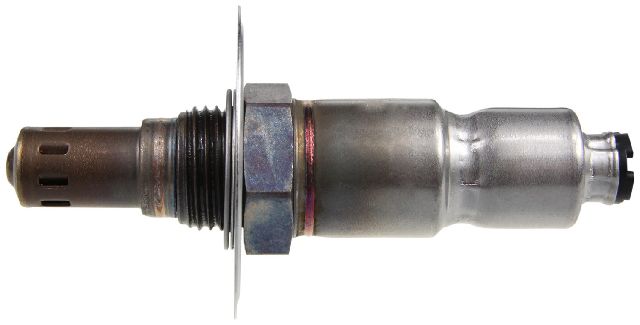
- Tier 1.5 (High-Quality Alternative): NGK (also sold under the brand name NTK) is another top-tier Japanese manufacturer that makes sensors for many car brands. While Denso is the direct OEM for this specific part, an NGK/NTK sensor is a reliable and high-quality alternative if a Denso part is not available.
- Avoid Unbranded Parts: Forum members and mechanics strongly advise against using cheap, unbranded sensors. These often fail quickly or don't work correctly out of the box, causing more headaches and costing you more in the long run.
Known Issues for 2015-2019 Foresters
Subaru has issued Technical Service Bulletins (TSBs) related to A/F sensors. TSB 09-115-24 notes that for the 2019 model year, an updated Denso sensor with an improved internal coating was introduced to prevent cracking and electrical faults. This indicates that the original sensors can be prone to failure over time. There was also a non-mandated service program (WXW-80) for potential cracks developing in the front oxygen sensor element.
Cost of Replacing the A/F Sensor
| Part Type | Estimated Cost |
|---|---|
| New OEM (Subaru Dealer) | $235 - $340 |
| New Aftermarket (Denso/NGK) | $170 - $232 |
| Shop Labor | $100 - $180 |
Installation Tips
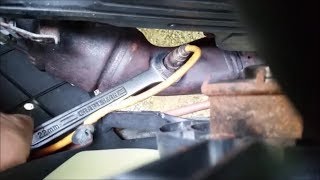
The A/F sensor is located on the exhaust manifold and can be accessed from the top of the engine bay. While replacement is possible for a DIYer, the sensor can be seized due to heat and corrosion. Always use a special slotted oxygen sensor socket to avoid stripping the part. Soaking the threads with a penetrating lubricant (like PB Blaster) before trying to remove it is highly recommended.
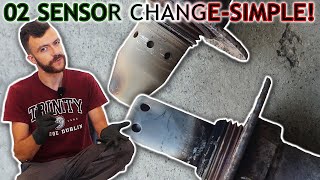
🎬 See this easy walkthrough for replacing your Forester's sensors.Frequently Asked Questions
Can I just clean my A/F sensor?
No. Cleaning the sensor is not an effective repair. Contaminants like oil or carbon get inside the sensor's delicate internal components, and the damage cannot be reversed. The sensor must be replaced.
How many A/F sensors does my 2.5L Forester have?
Your Forester has one Air/Fuel Ratio sensor (the upstream sensor, before the catalytic converter) and one regular Oxygen sensor (the downstream sensor, after the catalytic converter). This guide is for the upstream A/F sensor, which is the one that most commonly fails and affects engine performance.
What is the difference between an A/F sensor and an O2 sensor?
An Air/Fuel (A/F) ratio sensor is a type of wideband oxygen sensor that gives a precise, variable reading of the air-fuel mixture. A standard oxygen (O2) sensor, like the one downstream on your Forester, is a narrowband sensor that simply switches between reading "rich" or "lean." The A/F sensor's precision is necessary for the computer to make fine-tuned fuel adjustments.
🎬 Learn the technical differences between A/F and O2 sensor testing.Is Denso really the same as the Subaru part?
Yes. Denso is the original equipment supplier for this part on your Forester. The part you buy from a Subaru dealer is made by Denso. Buying the Denso-branded aftermarket part is a proven way to save money without sacrificing quality or fitment.
Helpful Videos
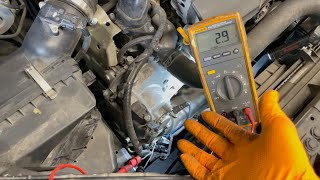
Technical Specifications
OEM Part Numbers: 22641AA670
Upstream, Wideband, Heated, 4-Wire
We Have This Part in Stock

The information in this article is provided for general reference and educational purposes only. Vehicle specifications, procedures, and part compatibility can vary by production date, trim level, and region. Always consult your vehicle's factory service manual and verify part numbers before purchasing or performing repairs. Safety-critical components such as airbags, seat belts, and braking systems should be installed by a qualified professional.
- Subaru Forester: