

Subaru Legacy Starter Replacement Guide (2015-2019)
Is your 2015-2019 Subaru Legacy failing to start? This guide covers everything you need to know about replacing your starter.
- A single, loud 'click' is the most common symptom of a failed starter, which is different from the rapid clicking of a weak battery.
- The starter is located on top of the transmission and is accessible after removing the air intake, making it a feasible DIY job (1.5-2 hours).
- There are no specific recalls, but a TSB for other Subarus points to a known failure pattern (whirring noise) that Legacy owners should be aware of.
- Ensure you buy the correct starter for your engine, as the 2.5L and 3.6L models use different part numbers.
Is Your Legacy's Starter Failing?

When a starter begins to fail on a 2015-2019 Subaru Legacy, the signs are usually hard to miss. A failing starter is more than an inconvenience; it's a critical failure that will prevent your car from starting. Before you condemn the starter, always ensure your battery is fully charged 🎬 See this guide on common starting problems for modern Subarus and the terminals are clean and tight. A weak battery can cause similar symptoms and is a more common issue.
Common Symptoms of a Bad Starter:
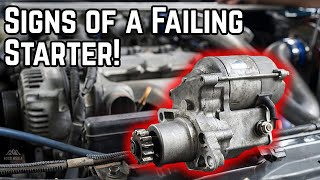
🎬 Watch: 5 common symptoms of a failing starter motor- Single Loud Click: You turn the key, and instead of the engine cranking, you hear one loud click. This sound is the starter solenoid engaging, but the motor itself failing to turn.
- Grinding or Whirring Noise: A grinding sound indicates the starter gear is not meshing correctly with the engine's flywheel. A high-pitched whirring or chirping noise, especially as the starter winds down after an attempt, can point to a failing one-way clutch inside the starter—a known issue on some Subaru models.
- No Sound at All: If you turn the key and nothing happens—no click, no crank, but your dashboard lights work—the problem could be the starter solenoid or the electrical signal telling it to work.
- Slow, Labored Cranking: If the engine turns over very slowly, it could be a sign of a weak starter motor drawing too much power, though this also strongly points to a weak battery.
- Intermittent Starting: The car fails to start randomly but then works fine on a later attempt. This often indicates a developing electrical problem within the starter motor.
Known Issues & Technical Service Bulletins (TSBs)
While there are no specific starter recalls for the 2015-2019 Legacy, Subaru has issued TSB 07-198-21 for other models like the Crosstrek and Ascent. This TSB addresses a starter failure where a whirring or chirping noise leads to a no-crank situation due to a failed one-way clutch. Legacy owners experiencing a similar noise should pay close attention, as it may indicate the same failure pattern.
Choosing the Right Aftermarket Starter

When replacing the starter, you have a choice between Original Equipment (OEM) and aftermarket parts. For a daily driver, a quality aftermarket starter can provide excellent value. Here’s a look at the available brands.
- Bosch: Often considered a top-tier aftermarket brand, Bosch parts are engineered to meet or exceed OEM standards. They are a reliable choice for owners who want near-OEM quality and peace of mind. Forum users often recommend Bosch for its reliability.
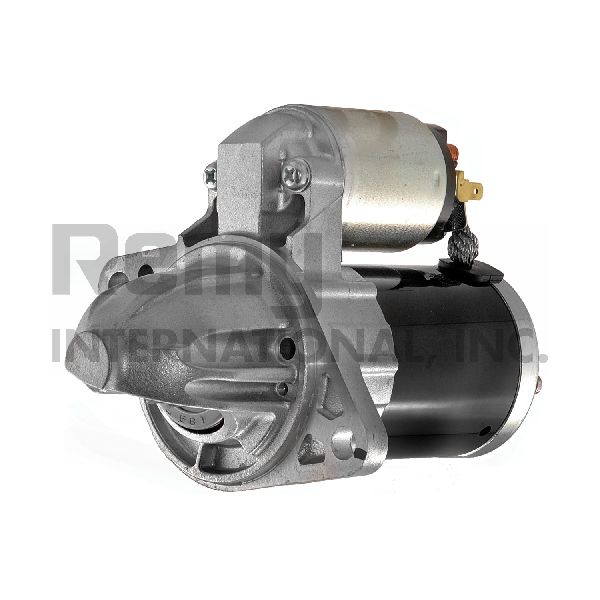
- Remy: Remy is a well-known brand in the aftermarket electrical parts world. User experiences are generally positive, with many finding them to be a dependable, standard-replacement option. However, like many large remanufacturers, quality can sometimes be inconsistent.
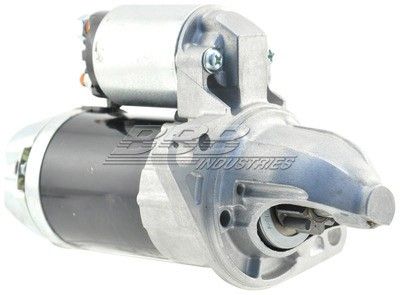
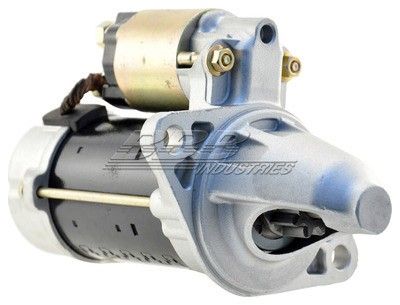
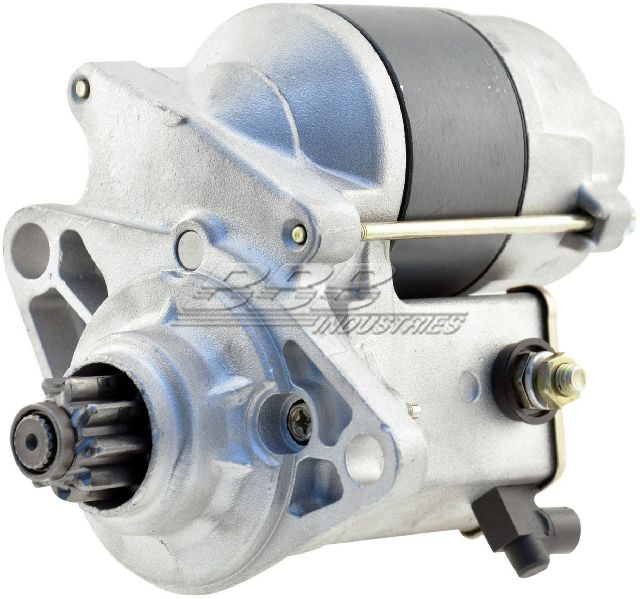
- BBB Industries: As a major remanufacturer, BBB Industries supplies starters for many store brands. They are a cost-effective option and are generally considered a standard replacement part. For many drivers, they offer a good balance of price and performance.
Pro Tip: New vs. Remanufactured
All three brands offer new and remanufactured units. A new starter is made with all-new components, while a remanufactured starter has been rebuilt to factory specs with worn parts replaced. A quality remanufactured unit from a reputable brand like Bosch or Remy is often a great value and can be just as reliable as a new one.
Estimated Replacement Costs
The cost to replace the starter on your Legacy will depend on the type of part you choose and local labor rates. The job is relatively straightforward for a mechanic.
| Part or Service | Estimated Cost |
|---|---|
| New OEM Starter | $250 - $430 |
| New Aftermarket Starter | $110 - $235 |
| Shop Labor | $180 - $310 |
| Total Professional Replacement (Aftermarket) | $290 - $545 |
Frequently Asked Questions

Can I replace the starter on my Legacy myself?
Yes, this is a feasible DIY project for those with moderate mechanical skill. The starter is located on the top of the transmission, making it more accessible than on many other vehicles. You will need to remove the air intake assembly to get to it. 🎬 Watch this step-by-step starter replacement walkthrough for your Legacy The job typically takes 1.5 to 2 hours. Always disconnect the battery before you begin.
How do I know if it's the starter or just a dead battery?
A dead battery will often produce a rapid clicking sound when you try to start the car, and the interior lights will be dim or not work at all. A bad starter typically results in a single, loud click, a grinding noise, or no noise at all, even with bright headlights and a fully charged battery. If jump-starting the car doesn't work, the starter is the likely culprit.
Are there any recalls on the 2015-2019 Legacy starter?
No, there are no active recalls from Subaru or the NHTSA for the starter motor on the 2015-2019 Subaru Legacy.
Does my 2.5L Legacy use the same starter as the 3.6R model?
No, they use different parts. The 2.5L and 3.6L engines have unique starter motors. It is crucial to order the correct part for your specific engine to ensure proper fitment and function.
Helpful Videos
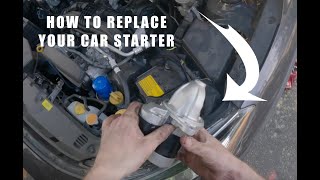
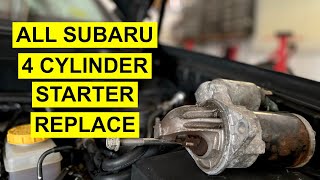
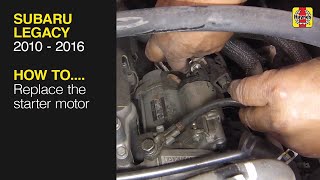
Technical Specifications
OEM Part Numbers: 23300AA71A (2.5L Engine) 23300AA860 (3.6L Engine)
12-Volt, Gear Reduction Type
We Have This Part in Stock

The information in this article is provided for general reference and educational purposes only. Vehicle specifications, procedures, and part compatibility can vary by production date, trim level, and region. Always consult your vehicle's factory service manual and verify part numbers before purchasing or performing repairs. Safety-critical components such as airbags, seat belts, and braking systems should be installed by a qualified professional.
- Subaru Legacy: