

Toyota Highlander Disc Brake Caliper Guide (2015-2019)
Everything you need to know about replacing the brake calipers on your 2015-2019 Toyota Highlander.
- Common failure signs include pulling to one side, a burning smell from a wheel, and uneven pad wear.
- In regions with road salt, choosing an aftermarket caliper with a protective coating (like Raybestos or Powerstop) can prevent future seizing.
- Calipers should always be replaced in pairs (both front or both rear) to maintain balanced braking.
- Replacing a caliper is a DIY-feasible job for someone with mechanical experience, but it requires bleeding the brake system afterward.
Symptoms of a Failing Brake Caliper

A bad brake caliper is a serious safety issue. If you notice any of these signs, get your brakes inspected right away. The most common failures are seized pistons, which don't retract, or stuck slide pins, which cause uneven pressure.
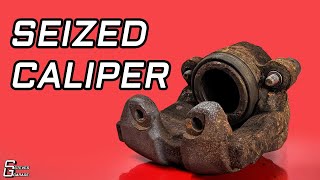
🎬 Watch this guide on how to diagnose a seized caliper.- Vehicle Pulling to One Side: When you brake, the Highlander pulls left or right. This is a classic sign of a seized caliper on one side.
- Burning Smell: A strong burning odor from a wheel area after driving indicates a stuck caliper is creating constant friction and extreme heat.
- Uneven Brake Pad Wear: When changing your pads, if one is much more worn than the other, a faulty caliper is the likely cause.
- Brake Fluid Leak: Puddles of clear, oily fluid near a wheel are a critical sign of a leak. This can lead to a soft pedal or total brake failure.
- Squealing or Grinding Noise: A constant metallic noise while driving (not just braking) can mean a caliper isn't releasing the pad from the rotor.
Brake System Recalls & TSBs
While there are no widespread recalls specifically for caliper failure on the 2015-2019 Highlander, there have been related recalls. A 2018 recall (NHTSA #18V211000) for some 2018 Highlanders involved a brake booster vacuum pump issue that could lead to a sudden loss of brake assist. Another recall for 2016 models (NHTSA #16V616000) involved a brake fluid level sensor that might not be connected. Most caliper issues on these models are due to age, mileage, and environmental factors like road salt, which can cause slide pins to seize.
Choosing the Right Aftermarket Caliper

When replacing a caliper, you have a choice between new OEM (Original Equipment Manufacturer) and new aftermarket parts. For the Highlander, OEM calipers are high quality but can be expensive. Aftermarket calipers offer a more affordable solution and come in different quality tiers.
Here’s a breakdown of the brands available:
- Premium Aftermarket (Powerstop, Raybestos Element3): These brands often offer features that meet or exceed OEM specs. Powerstop calipers are known for their performance coatings (often red) that resist corrosion and look good behind open-spoke wheels. Raybestos Element3 calipers are also new (not remanufactured) and feature zinc plating for excellent corrosion resistance, making them a great choice for areas with harsh winters.
- Standard Aftermarket (Cardone, Centric, Dynamic Friction): These brands are popular, reliable choices for daily driving. They provide a good balance of quality and price. Many are remanufactured, which is a cost-effective and environmentally friendly option, but new options are also available. Cardone and Centric are widely used by professional mechanics.
- Economy Aftermarket (BBB Industries): These offer a budget-friendly way to get your vehicle back on the road safely. While they meet basic requirements, they may not have the advanced coatings or longevity of premium brands.
Pro Tip: For Highlanders in the rust belt, spending a little extra on a caliper with a high-quality coating (like Raybestos' zinc plating or Powerstop's powder coat) can prevent the caliper and slide pins from seizing in the future.
| Part Type | Estimated Cost (Per Caliper) |
|---|---|
| New OEM | $210 - $310 |
| New Aftermarket | $65 - $196 |
| Remanufactured Aftermarket | $50 - $120 |
| Shop Labor | $150 - $250 |
Frequently Asked Questions (FAQ)

Should I replace brake calipers in pairs?
Yes, it is highly recommended. Calipers, like pads and rotors, should be replaced in pairs (both front or both rear) to ensure even braking performance and prevent pulling. An old caliper will not perform the same as a new one.
What is a "loaded" or "semi-loaded" caliper?
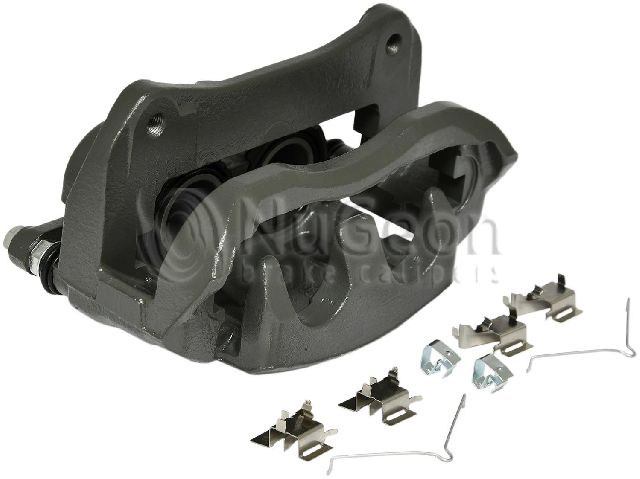
A "loaded" caliper comes complete with new brake pads and all necessary hardware (clips and pins) already installed. A "semi-loaded" caliper typically includes the mounting bracket and hardware, but not the brake pads. A basic caliper is just the caliper body itself. For an easier installation, a semi-loaded caliper is a great option.
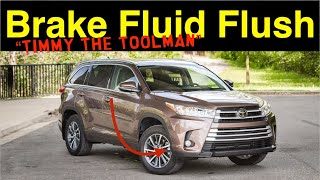
🎬 See a full walkthrough of the front caliper replacement process.Do I need special tools to replace a Highlander caliper?
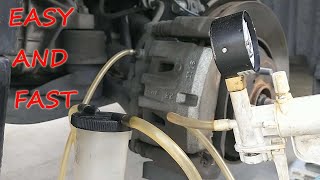
You will need standard mechanic's tools, a torque wrench, and a tool to compress the caliper piston. Crucially, you'll need a flare nut wrench for the brake line to avoid stripping the soft metal fitting. You will also need a brake bleeding kit to remove air from the system after installation.
🎬 Watch: How to bleed your Highlander brakes by yourself.What is a "core charge"?
Many remanufactured calipers have a core charge. This is a deposit you pay that is refunded when you return your old, used caliper. This allows the manufacturer to remanufacture it for future use.
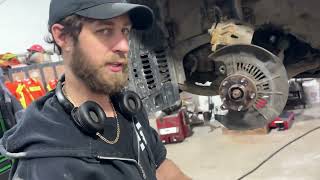
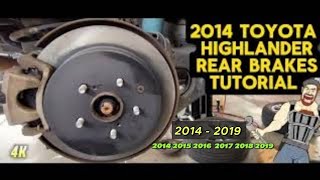
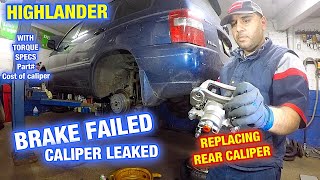
Helpful Videos
Technical Specifications
OEM Part Numbers: 47750-0E031 47730-0E031 47830-0E110 47750-0E030 47730-0E030
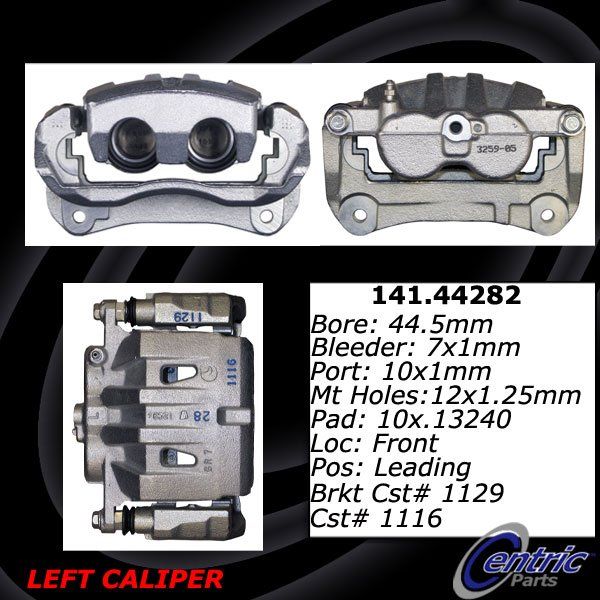
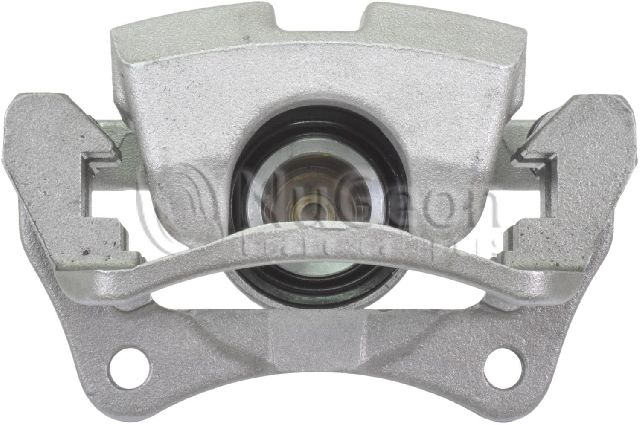
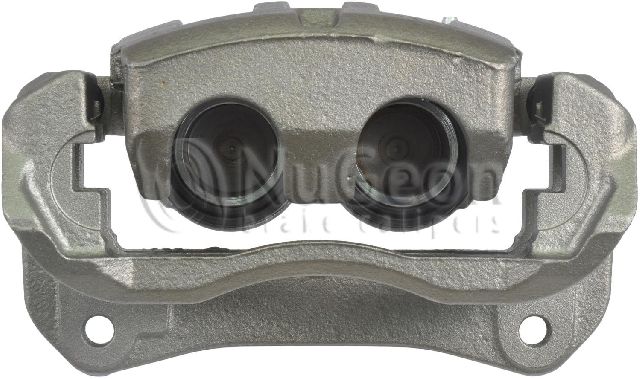
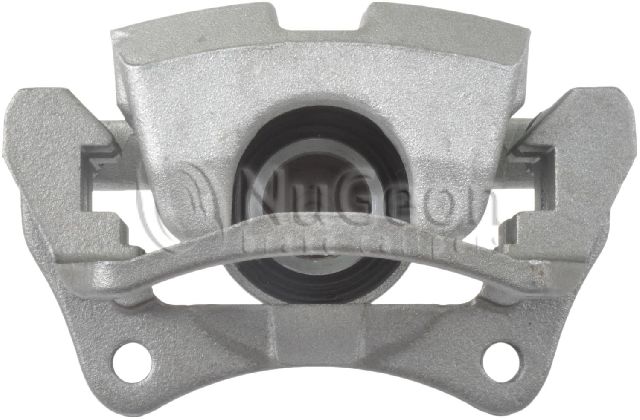
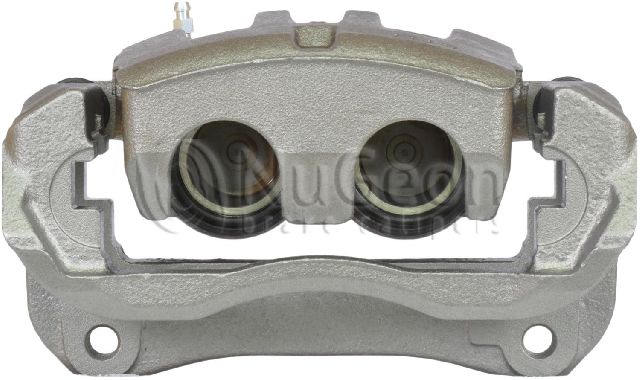
The 2015-2019 Toyota Highlander uses a floating caliper design with two pistons in the front calipers and a single piston in the rear. Most models in this year range use a conventional parking brake integrated into the rear caliper, though later models in the next generation would move to an Electronic Parking Brake (EPB).
We Have This Part in Stock

The information in this article is provided for general reference and educational purposes only. Vehicle specifications, procedures, and part compatibility can vary by production date, trim level, and region. Always consult your vehicle's factory service manual and verify part numbers before purchasing or performing repairs. Safety-critical components such as airbags, seat belts, and braking systems should be installed by a qualified professional.
- Toyota Highlander: