

A Guide to the 2015-2019 Volkswagen Jetta High Pressure Fuel Pump (HPFP)
If your Jetta is hesitating, stalling, or showing a P0087 code, your high-pressure fuel pump could be the culprit.
- A failing HPFP will typically trigger a P0087 trouble code and cause symptoms like engine hesitation, hard starting, and stalling.
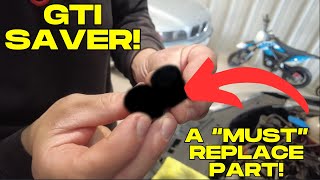
- Always replace the inexpensive cam follower at the same time as the HPFP to prevent catastrophic damage to the new pump and your engine's camshaft.
- For a critical part like this, stick with OEM/OES brands like Bosch for the best reliability and longevity.
- While there are fuel system recalls for this Jetta generation, none are for the engine-mounted High Pressure Fuel Pump itself.
Signs of a Failing High Pressure Fuel Pump

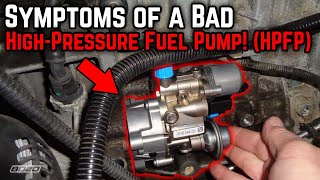
A failing HPFP doesn't usually die without warning. It will give you signs that it's getting weak. Paying attention to these symptoms can help you diagnose the problem before it leaves you stranded.
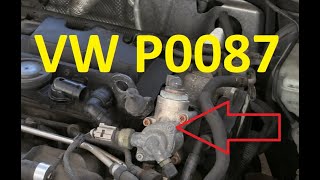
- Check Engine Light: This is the most common sign. A failing HPFP will often trigger a check engine light with the code P0087, which means "Fuel Rail/System Pressure Too Low." You may also see misfire codes. 🎬 Watch: Diagnosing and fixing the P0087 low pressure code.
- Engine Hesitation or Sputtering: You might notice the engine sputtering or hesitating when you accelerate, especially between 2,000 and 4,000 RPM. This happens because the pump can't supply the extra fuel the engine needs under load.
- Loss of Power: Your Jetta may feel sluggish and slow to accelerate. Climbing hills or carrying heavy loads can make this symptom more obvious.
- Hard Starting: The engine may take longer than usual to start, or you might have to crank it several times. This can be worse during a cold start.
- Engine Stalling: In more severe cases, the engine may stall unexpectedly while driving or at idle, which can be a serious safety hazard.
- Rattling Noise: A mechanical rattling or ticking sound from the engine bay can sometimes point to a failing HPFP or its cam follower.
Important Note on Recalls
There have been fuel-system-related recalls for Jetta models in this year range, but they do NOT apply to the engine-mounted High Pressure Fuel Pump. One recall (NHTSA #24V110) is for a suction jet pump in the fuel tank on 2019-2020 Jetta GLI models. Another (NHTSA #24Gi) is for fuel rail bolts on 2016-2018 Jettas with the 1.4T engine. While these are important, they are separate issues from HPFP failure.
Choosing the Right Aftermarket HPFP

When a critical component like the HPFP fails, choosing a quality replacement is essential for your Jetta's performance and reliability. Not all aftermarket brands are created equal.
Tier 1: OEM / OES (Original Equipment Supplier) Brands
These are the safest bets for fit, function, and longevity. They are either the original manufacturer for Volkswagen or are known for meeting the same strict standards.
- Bosch: Bosch is a very common OEM supplier for Volkswagen and other German brands. Choosing a Bosch HPFP is often the closest you can get to buying the part from the dealer without the high price tag. It is widely considered the most reliable choice.
Tier 2: Quality Aftermarket Brands
These brands have a strong reputation for producing reliable parts, though they may not be the original supplier to VW.
- Delphi: Delphi is a well-known name in automotive parts and is generally considered a quality option.
- Hella: Another German brand with a strong reputation for quality and is sometimes an OEM supplier.
- Hitachi: A reputable manufacturer that produces a wide range of electronic and mechanical auto parts.
Tier 3: Budget-Friendly Brands
These brands offer a lower price point, but their quality and longevity can be inconsistent. They might be suitable for a temporary fix, but carry more risk for a critical part like an HPFP.
- Standard Ignition: A common aftermarket brand with a wide range of products.
- Vemo: Reviews for Vemo parts are mixed. While some users report success, others have experienced premature failures or incorrect performance.
Pro Tip: Always Replace the Cam Follower
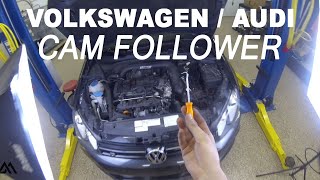
The HPFP is driven by a lobe on the camshaft, and a small metal piece called a "cam follower" sits between them. This follower is a known wear item on VW engines. If it wears out, it can damage both the new HPFP and the camshaft, leading to a much more expensive repair. It is a low-cost part and should always be replaced when you replace the HPFP.
Cost of Replacing a Jetta HPFP

| Item | Estimated Cost |
|---|---|
| New Aftermarket HPFP | $239.18 - $815.19 |
| New OEM HPFP | $700 - $1200+ |
| Shop Labor | $150 - $400 |
| Total (Aftermarket Part + Labor) | $390 - $1215+ |
Frequently Asked Questions
Can I drive my Jetta with a failing HPFP?
It is not recommended. A failing HPFP can cause the engine to stall unexpectedly, which increases the risk of a crash. It's best to get the vehicle repaired as soon as possible.
Is replacing the HPFP a DIY job?
For a mechanically experienced person, yes. The job itself is not overly complex, involving the removal of a few bolts and fuel lines. However, it requires safely relieving high-pressure fuel from the system. If you are not comfortable working with high-pressure fuel systems, this job is best left to a professional mechanic.
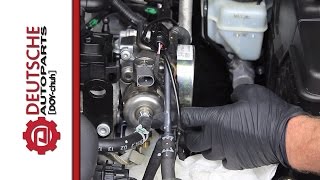
🎬 See this step-by-step HPFP replacement walkthrough for DIYers.What is the P0087 code?
P0087 is a generic diagnostic trouble code that means "Fuel Rail / System Pressure - Too Low." On your Jetta, it means the engine's computer has detected that the HPFP is not providing enough pressure to the fuel rail. While a bad HPFP is the most common cause, it can also be caused by a clogged fuel filter or a failing in-tank fuel pump.
Do I really need to replace the cam follower?
Yes, absolutely. The cam follower is a small, inexpensive part that takes the wear from the camshaft. Failing to replace a worn follower can quickly destroy a brand new HPFP and potentially damage the camshaft, turning a simple repair into a major engine overhaul.
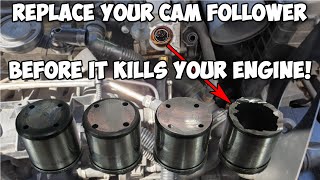
🎬 Watch: How to replace your cam follower and HPFP.Helpful Videos

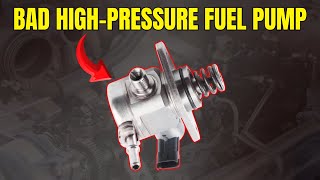
Technical Specifications
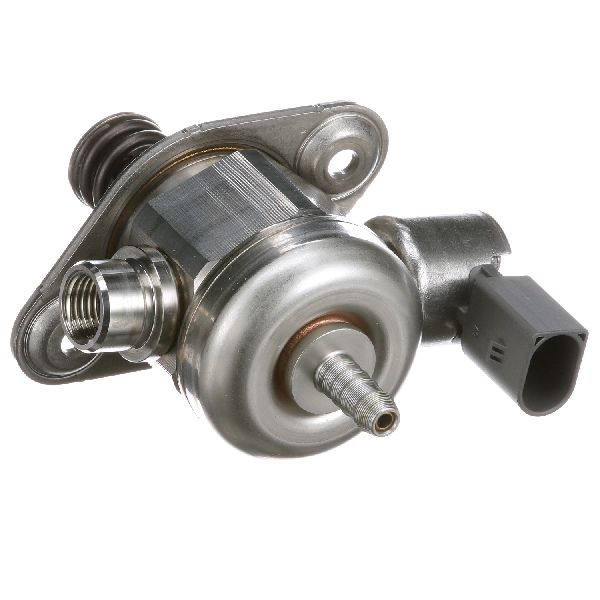
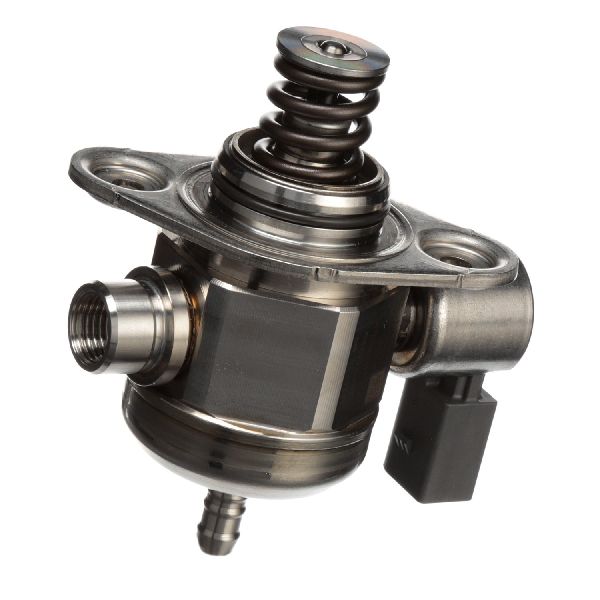
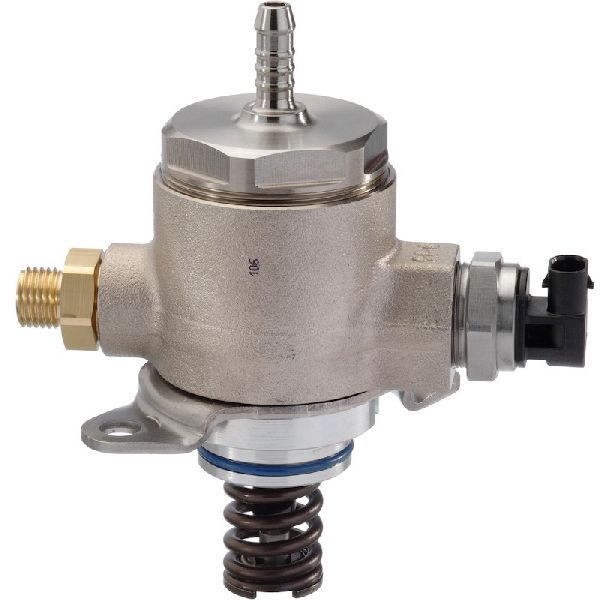
OEM Part Numbers: 06A127026H 06A127026B 06A127026A
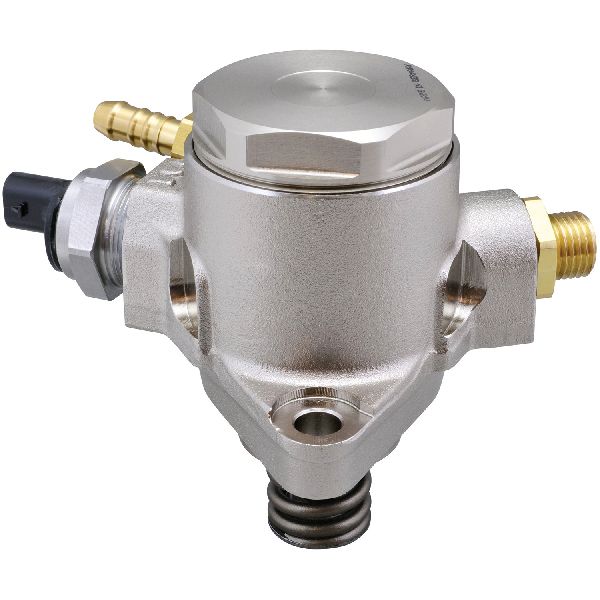
Mechanically driven by the engine's camshaft. Supplies high-pressure fuel directly to the fuel rail for the direct injection system.
We Have This Part in Stock


The information in this article is provided for general reference and educational purposes only. Vehicle specifications, procedures, and part compatibility can vary by production date, trim level, and region. Always consult your vehicle's factory service manual and verify part numbers before purchasing or performing repairs. Safety-critical components such as airbags, seat belts, and braking systems should be installed by a qualified professional.
- Volkswagen Jetta:
- 🎬 Helpful Videos
- 🛍️ Shop This Part
- Signs of a Failing High Pressure Fuel Pump
- Important Note on Recalls
- Choosing the Right Aftermarket HPFP
- Tier 1: OEM / OES (Original Equipment Supplier) Brands
- Tier 2: Quality Aftermarket Brands
- Tier 3: Budget-Friendly Brands
- Pro Tip: Always Replace the Cam Follower
- Cost of Replacing a Jetta HPFP
- Frequently Asked Questions
- 🎟️ Get 5% Off