

A Guide to the Fuel Pressure Sensor for the 2015-2020 Audi A3
Experiencing stalling or a check engine light in your Audi A3? Your fuel pressure sensor could be the culprit.
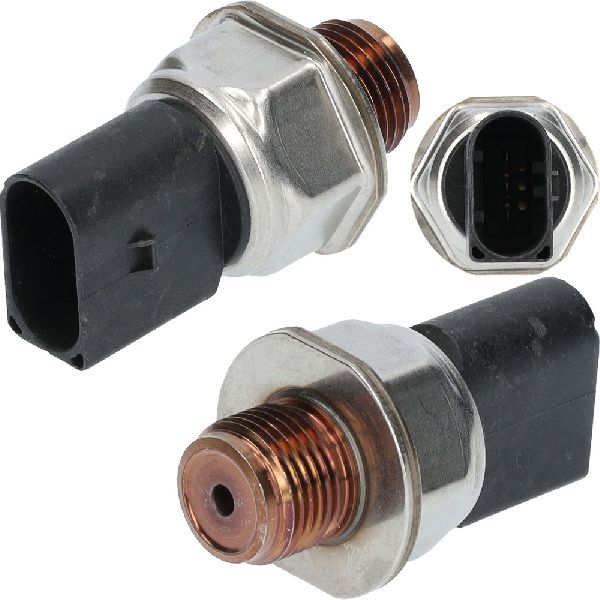
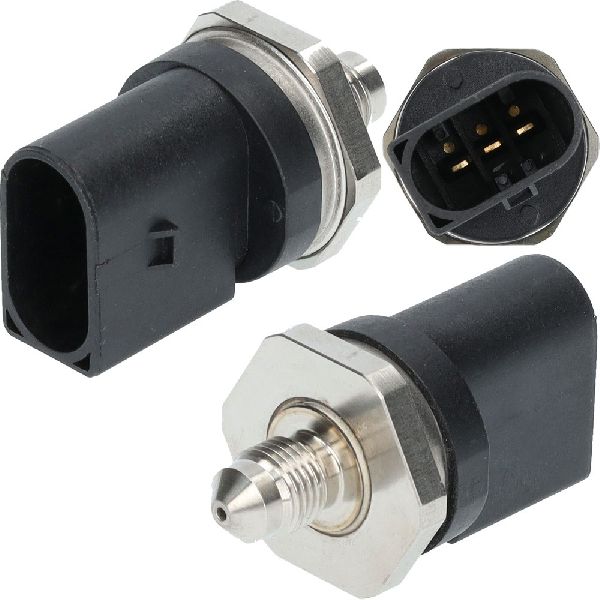
- Your A3 has two fuel pressure sensors (high and low); proper diagnosis is needed to identify the failed part.
- A P0087 trouble code can be caused by the sensor, but also by the fuel pump or other components.
- The high-pressure sensor is difficult to replace, making a quality part a wise investment to save on future labor.
- Check for open recalls on your vehicle, as a 2015 fuel pump recall causes similar stalling symptoms.
Understanding Fuel Pressure Sensor Failures in Your A3

The fuel pressure sensor is a small but critical electronic part. When it starts to fail, it sends incorrect information to your car's main computer, the Engine Control Module (ECM). This can trick the ECM into providing too much or too little fuel, leading to a variety of engine problems. It's important to know that the symptoms of a bad sensor can be very similar to other fuel system issues, like a failing fuel pump or a bad fuel injector.
Diagnose Before You Replace
The check engine code P0087 (Fuel Rail/System Pressure - Too Low) is very common with these symptoms. However, this code does not automatically mean the sensor is bad. It can also be caused by a failing high-pressure fuel pump (HPFP), a worn camshaft follower, or a weak in-tank fuel pump. Proper diagnosis is essential to avoid replacing the wrong part.
Symptoms of a Failing Fuel Pressure Sensor

If your fuel pressure sensor is going bad, you will likely notice one or more of the following issues:
- Check Engine Light: This is often the first sign. Codes like P0087, P0191, or P119A may be stored.
- Engine Stalling: The engine may stall unexpectedly, especially when it's warm or when you come to a stop.
- Hard Starting: Your A3 may take longer than usual to start, or it might not start at all.
- Poor Performance: You may feel a loss of power, hesitation when you accelerate, and rough idling.
- Bad Fuel Economy: When the fuel mixture is wrong, your car will use more gasoline than it should.
Choosing the Right Aftermarket Sensor

When replacing a critical sensor on a German vehicle like your Audi, quality matters. While an OEM sensor from the dealer is one option, high-quality aftermarket parts can offer a balance of reliability and value.
For a part like the high-pressure fuel sensor, which can be very difficult to access, choosing a reliable brand is a smart investment to avoid paying for the same repair twice.
- Reputable Aftermarket (e.g., Standard Ignition): Brands like Standard Ignition are well-known in the aftermarket industry and have been producing parts for a long time. They are generally considered a reliable alternative to OEM and are engineered to fit and function correctly.
- Budget-Friendly (e.g., Global Parts): These brands offer a lower-cost alternative. While they are designed to meet original specifications, their long-term durability may not be as proven as more established brands. This option might be suitable for the more easily accessible low-pressure sensor or if budget is the primary concern.
OEM vs. Aftermarket Quality
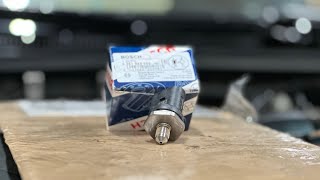
The original sensor on your Audi was likely made by a major electronics company like Bosch. Often, you can buy the same part from the original manufacturer for less than the dealer-branded box. For sensitive electronics, sticking with the Original Equipment (OE) supplier or a top-tier aftermarket brand like Standard Ignition is often the safest bet for long-term performance.
| Part Type | Estimated Cost |
|---|---|
| New OEM Sensor | $120 - $200 |
| New Aftermarket Sensor | $78 - $113 |
| Shop Labor | $100 - $350+ |
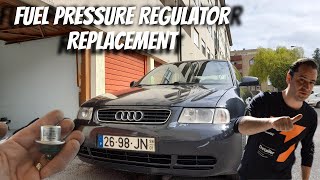
| Labor costs vary greatly depending on which sensor is being replaced. The high-pressure sensor requires removing the intake manifold 🎬 See this walkthrough for replacing the high-pressure fuel rail sensor. and costs significantly more in labor. Prices are estimates and do not include taxes or shop fees. | |
Frequently Asked Questions

Which fuel pressure sensor do I need, high or low?
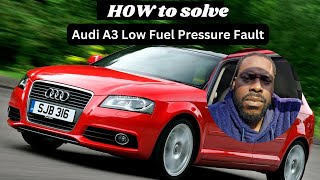
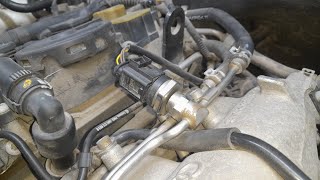
Your Audi A3 has two. The high-pressure sensor (G247) is on the fuel rail under the intake manifold, while the low-pressure sensor (G410) is on the fuel line leading to the engine. A diagnostic scan tool that can read live fuel pressure data is the best way to determine which one is faulty. 🎬 Watch: Understanding the different fuel pressure sensors on your Audi. Problems with stalling and hesitation under load often point toward the high-pressure system.
Was there a recall for the fuel pressure sensor?
No, there was no recall for the sensor itself. However, there was a major safety recall for the in-tank fuel pump on some 2015 models that could cause similar stalling and no-start symptoms. It is wise to check if your vehicle was affected by this recall.
Can I replace the fuel pressure sensor myself?
It depends on the sensor. The low-pressure sensor is relatively accessible. However, the high-pressure sensor on the 2.0T engine is located under the intake manifold. This is a difficult job that requires significant disassembly and is not recommended for beginners. The fuel system is also under high pressure, which can be dangerous.
What happens if I ignore a bad fuel pressure sensor?
Ignoring the problem can lead to more serious issues. You may experience frequent stalling, which is a safety hazard. An incorrect fuel mixture can also damage your catalytic converter over time, which is a very expensive repair. It's best to address the issue promptly.
Helpful Videos
Technical Specifications
OEM Part Numbers: 06J906054L 06E906051K
The 2015-2020 Audi A3 uses a direct injection system with both a low-pressure fuel sensor (G410) and a high-pressure fuel sensor (G247).
We Have This Part in Stock


The information in this article is provided for general reference and educational purposes only. Vehicle specifications, procedures, and part compatibility can vary by production date, trim level, and region. Always consult your vehicle's factory service manual and verify part numbers before purchasing or performing repairs. Safety-critical components such as airbags, seat belts, and braking systems should be installed by a qualified professional.
- Audi A3: