

A Guide to the 2015-2020 Audi A3 Engine Oil Pan
Dealing with an oil leak or a stripped drain plug? Here’s what you need to know about your A3's oil pan.
- The original plastic oil pan and its single-use drain plug are known weak points that frequently cause oil leaks.
- Aftermarket oil pans made of steel or aluminum are a popular and recommended upgrade for improved durability.
- The oil pan is sealed with RTV silicone, not a pre-formed gasket; proper surface cleaning is critical for a leak-free repair.
- If your drain plug is stripped, you will almost certainly need to replace the entire oil pan.
Is Your Audi A3 Leaking Oil? Check the Pan.

The most common problem with the 2015-2020 Audi A3 oil pan is oil leaks. The original pan is made of a composite plastic, which can become brittle over time from constant heat cycles and eventually crack. Due to its location at the bottom of the car, it's also vulnerable to damage from road debris, potholes, or speed bumps.
The Plastic Drain Plug is a Weak Point
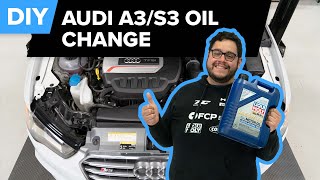
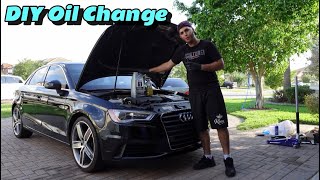
A very frequent source of leaks is the oil pan's drain plug. The original design is a single-use plastic plug that is meant to be replaced with every oil change. 🎬 Watch: How to properly change your oil and plastic plug Reusing the plug or over-tightening it can easily lead to a persistent drip or damage the pan's threads, which may require replacing the entire pan. Some owners report these plugs failing after just a few oil changes.
OEM vs. Aftermarket Oil Pans

When it's time for a replacement, you have a choice between a new pan from the dealer (OEM) and an aftermarket part. For this specific vehicle, the aftermarket offers some distinct advantages.
- OEM (Original Equipment Manufacturer): This is an identical part to the one your car came with from the factory. It will be made of plastic and will have the same vulnerabilities as the original, including the problematic plastic drain plug design.
- Aftermarket Direct Replacement: These pans are designed to be a direct, budget-friendly replacement for the original. They are typically made of plastic, just like the OEM version, and will fit and function similarly. They offer a cost-effective solution if you want to stick with the original design.
- Aftermarket Upgrades (Metal): Many reputable aftermarket brands like URO, Dorman, and Rein offer upgraded oil pans made of stamped steel or cast aluminum. These metal pans are far more durable and resistant to cracks from impacts or heat. They are a popular and highly recommended upgrade for long-term durability 🎬 Watch: How to upgrade to a durable steel oil pan, often including a traditional metal drain plug that is more robust.
Pro Tip: It's Not a Gasket. The 2015-2020 Audi A3 oil pan does not use a traditional, pre-formed gasket. It is sealed to the engine block with a special RTV (Room Temperature Vulcanizing) silicone sealant. When replacing the pan, the mating surfaces on the engine block and the new pan must be perfectly clean before applying a new bead of sealant.
Known Issues, Recalls, or TSBs
There are no active recalls from the NHTSA or Audi for the oil pan on the 2015-2020 A3. While recalls do exist for this vehicle for other issues like the passenger occupant detection system, they do not pertain to the oil pan. The most well-documented issues are leaks from the pan itself, the single-use drain plug, and the oil level sensor O-ring.
Cost to Replace Audi A3 Oil Pan

| Part/Service | Estimated Cost |
|---|---|
| New OEM Part | $290 - $320 |
| New Aftermarket Part | $82 - $150 |
| Shop Labor | $210 - $470 |
| Total Professional Job | $292 - $790 |
Cost estimates are based on national averages and may vary by location and part type (plastic vs. metal). Aftermarket part prices are based on typical inventory.
Frequently Asked Questions

Can I replace the A3 oil pan myself?
Yes, this is a manageable job for a DIYer with intermediate skills and the right tools. It requires safely lifting the vehicle, draining the oil, removing the belly pan, unbolting the old pan, meticulously cleaning the engine's mating surface, applying new sealant, and installing the new pan.
🎬 See this step-by-step walkthrough for replacing your A3 oil panDo I need to replace the oil level sensor too?
Not usually. The oil level sensor can be unbolted from the old pan and transferred to the new one. However, it's a very good idea to replace the sensor's O-ring or gasket during the job, as this is another common leak point.
What sealant should I use for the oil pan?
You must use a high-quality, oil-resistant RTV silicone sealant. Consult your vehicle's repair manual or your parts supplier for the specific type recommended for your engine.
My drain plug is just spinning. What do I do?
If the drain plug is spinning but not coming out, the threads in the plastic oil pan are likely stripped. In almost all cases, this requires replacing the entire oil pan. This is a common failure point for the OEM plastic pan.
Helpful Videos
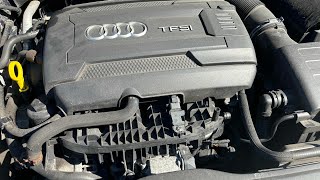
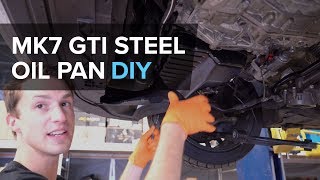
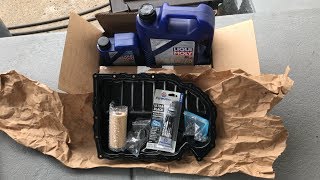
Technical Specifications
OEM Part Numbers: 06K103600D 06K103600R 06K103600AE
Material: Plastic (OEM and some aftermarket), Steel or Aluminum (Aftermarket upgrades). Gasket Type: RTV Sealant (not included). Features: Includes port for oil level sensor. Drain plug is typically a single-use plastic design on OEM and plastic replacements.

The information in this article is provided for general reference and educational purposes only. Vehicle specifications, procedures, and part compatibility can vary by production date, trim level, and region. Always consult your vehicle's factory service manual and verify part numbers before purchasing or performing repairs. Safety-critical components such as airbags, seat belts, and braking systems should be installed by a qualified professional.
- Audi A3: