

A Guide to Replacing the Oxygen Sensor on Your 2015-2020 Audi A3
Keep your Audi A3's turbocharged engine running efficiently by understanding and choosing the right aftermarket oxygen sensor.
- A bad oxygen sensor will cause a Check Engine Light, poor fuel economy, and rough running.
- For a 2015-2020 Audi A3, it is strongly recommended to use an OE-supplier brand like Bosch, NGK/NTK, or Denso for reliability.
- Your A3 has two sensors, an upstream (air-fuel ratio) and a downstream (monitoring) sensor, which are not interchangeable.
- Replacing the sensor is a feasible DIY job for many, but requires a special O2 sensor socket.
Symptoms of a Failing Oxygen Sensor in an Audi A3

A bad oxygen sensor can cause noticeable problems with your car's performance. Since the sensor helps control the engine's air-fuel mixture, a failure can throw everything out of balance. You should get your vehicle checked if you notice any of the following issues.
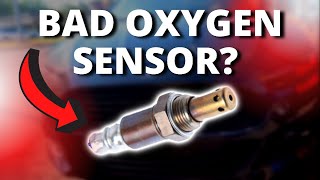
🎬 Watch: See these common bad O2 sensor symptoms in action.Common Failure Symptoms
- Check Engine Light: This is the most common sign. A code scan will often show a fault related to the O2 sensor circuit or performance.
- Poor Fuel Economy: A faulty sensor can cause the engine to use more fuel than necessary, sometimes reducing gas mileage by 10-15%.
- Rough Idle and Misfires: The engine may run unevenly, vibrate, or misfire because the air-to-fuel ratio is incorrect.
- Sluggish Acceleration: Your A3 might feel less responsive or hesitant when you press the gas pedal.
- Failed Emissions Test: An O2 sensor failure will almost certainly cause your vehicle to fail an emissions inspection.
- Rotten Egg Smell: In some cases, an overly rich fuel mixture can lead to a sulfur-like smell from the exhaust.
Choosing the Right Aftermarket Oxygen Sensor

When replacing an oxygen sensor on a German car like your Audi A3, quality matters. While OEM parts from a dealer are an option, high-quality aftermarket parts from original equipment (OE) suppliers offer the same performance without the high price tag. For this part, it is highly recommended to stick with brands known for supplying Audi and other European automakers.
Brand Quality Tiers
Tier 1: OE-Supplier Brands (Highly Recommended)
- Bosch: Bosch invented the automotive oxygen sensor and is a primary OEM supplier for Audi. Choosing a Bosch sensor is the closest you can get to the original part and is a safe, reliable choice.
- NGK / NTK: NGK (under its sensor division, NTK) is another top-tier OE supplier known for excellent quality and durability. Many professional mechanics trust NGK/NTK sensors for their reliability.
- Denso: Denso is a massive OE supplier for many car brands and is known for its high-quality sensors that meet factory specifications.
Pro Tip: For a critical component like an oxygen sensor on a turbocharged Audi engine, spending a little more on a Tier 1 brand like Bosch, NGK, or Denso can prevent future headaches, check engine lights, and performance issues.
Tier 2: Reputable Aftermarket Brands
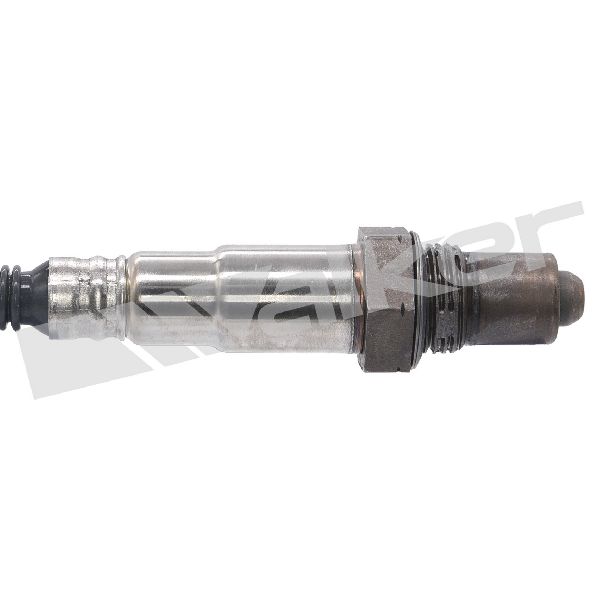
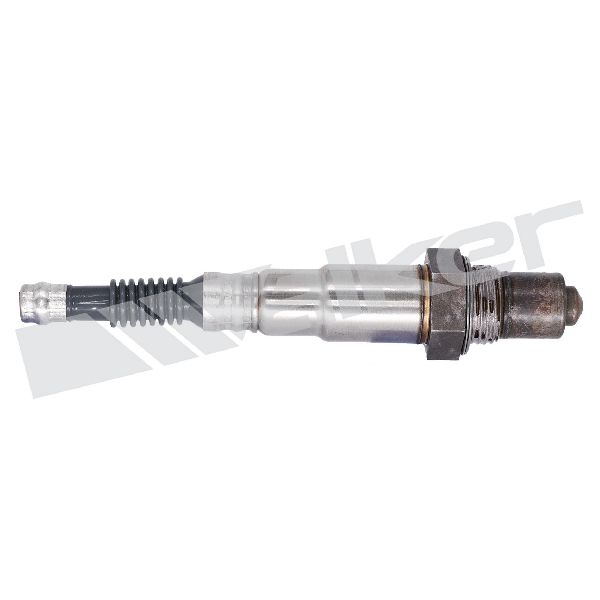
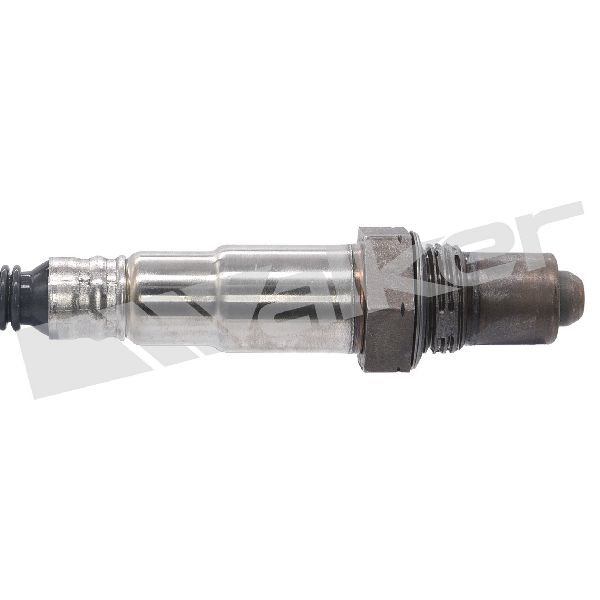
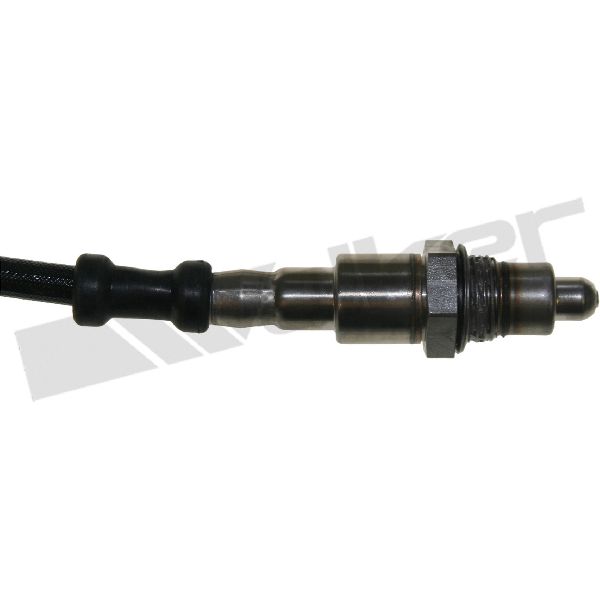
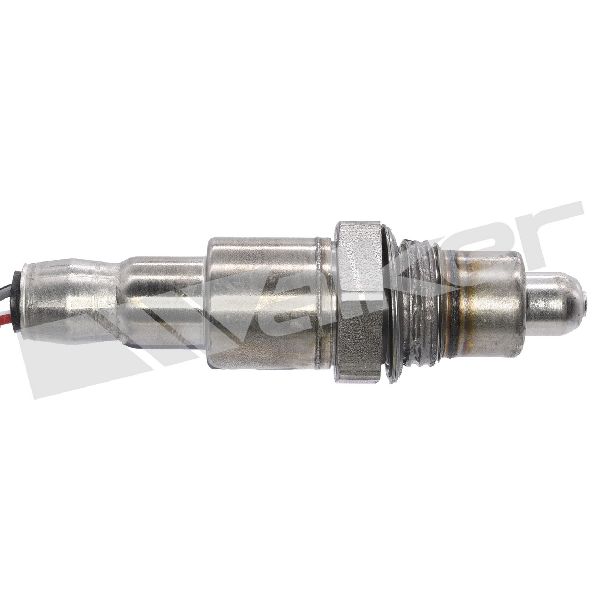
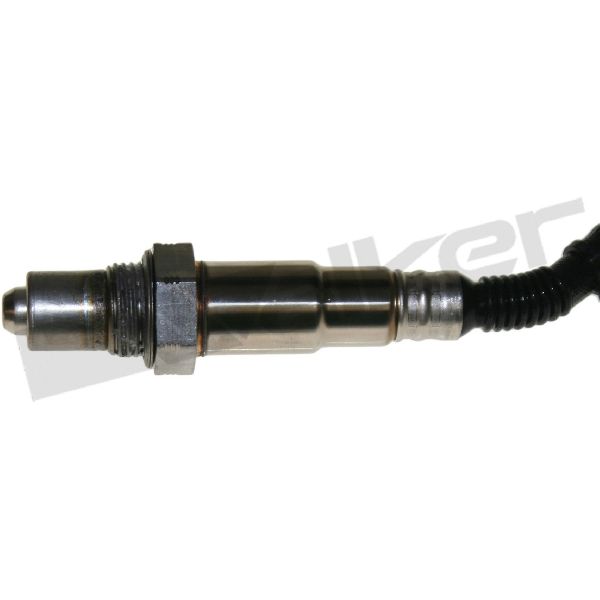
- Walker Products: Walker is a long-standing aftermarket company that produces a wide range of sensors. Some of their product lines even use OE sensor elements from brands like Bosch and Denso, offering a good balance of quality and price.
- Vemo: Vemo is an aftermarket brand that produces a wide variety of parts. Quality can be inconsistent compared to OE suppliers, so it's generally considered a budget-conscious choice.
Tier 3: Budget Brands
- DriveWire: This is a budget-friendly option. While it may work, the longevity and precision may not match that of the higher-tier brands, which could lead to issues sooner.
Estimated Replacement Costs

The cost to replace an oxygen sensor can vary based on the brand you choose and whether you do the work yourself or hire a professional.
| Part / Service | Estimated Cost |
|---|---|
| New OEM (Dealer) | $200 - $400+ |
| New Aftermarket (Your Price Range) | $77.12 - $227.91 |
| Shop Labor | $100 - $200 |
Frequently Asked Questions (FAQ)

How many oxygen sensors does my 2015-2020 Audi A3 have?
Your Audi A3 is typically equipped with two oxygen sensors. One is an upstream sensor (also called Bank 1, Sensor 1) located in the exhaust manifold or downpipe before the catalytic converter. The second is a downstream sensor (Bank 1, Sensor 2) located after the catalytic converter.
What is the difference between an upstream and a downstream sensor?
The upstream sensor is an air-fuel ratio sensor that provides fast, precise feedback to the ECU for controlling the fuel mixture. The downstream sensor's main job is to monitor the efficiency of the catalytic converter by comparing its reading to the upstream sensor. They are not interchangeable.
Do I need a special tool to replace an oxygen sensor?
Yes, it is highly recommended to use a special oxygen sensor socket. This socket has a slot cut down the side to accommodate the sensor's wire. Using one will make removal and installation much easier and reduce the risk of damaging the new sensor.
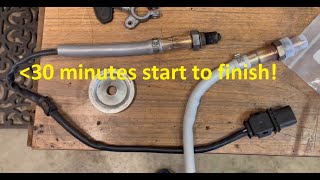
🎬 Watch: This easy DIY guide shows the upstream sensor replacement.Can I clean my old oxygen sensor instead of replacing it?
While some people attempt to clean O2 sensors, it is not a reliable or recommended fix. Contaminants can penetrate the sensor's porous ceramic element, and cleaning the surface won't restore its proper function. Given the critical role of the sensor, replacement is the only guaranteed solution.
Are there any recalls for the oxygen sensor on my Audi A3?
Searches did not find any direct safety recalls for oxygen sensor failure on the 2015-2020 Audi A3. However, an emissions recall for 2010-2013 TDI models did involve an oxygen sensor inspection and potential replacement. Additionally, a Technical Service Bulletin (TSB) for other Audi models with a 4.0L engine mentions replacing the downstream O2 sensor for lean codes (P209600), indicating it's a known failure point that can be caused by internal contamination. 🎬 See how to diagnose a stuck lean downstream sensor code. Always check with a dealer for any open campaigns for your specific VIN.
Helpful Videos

Technical Specifications
Your 2015-2020 Audi A3 uses heated, 4-wire oxygen sensors. The upstream sensor is a wideband air-fuel ratio type, while the downstream is a standard narrow-band sensor. It is critical to order the correct sensor for the specific position (upstream or downstream) and for your vehicle's engine.
We Have This Part in Stock

The information in this article is provided for general reference and educational purposes only. Vehicle specifications, procedures, and part compatibility can vary by production date, trim level, and region. Always consult your vehicle's factory service manual and verify part numbers before purchasing or performing repairs. Safety-critical components such as airbags, seat belts, and braking systems should be installed by a qualified professional.
- Audi A3: