

Engine Auxiliary Water Pump Guide for 2015-2020 Audi A3 Quattro
Understanding the role of the auxiliary water pump in your A3 Quattro and how to address common failures.
- Before purchasing a replacement, check your VIN for the active safety recall related to a fire risk from this pump.
- The most common symptom of failure is a Check Engine Light with code P261A, often accompanied by a loss of cabin heat at idle.
- For best results and to avoid compatibility issues, choose an OEM or OEM-equivalent brand like Pierburg or Vemo.
- Failure to replace a faulty pump can lead to premature wear on your engine's turbocharger due to improper cooling after shutdown.
Is Your Auxiliary Water Pump Failing?

A failing auxiliary water pump on the 2015-2020 Audi A3 Quattro can cause noticeable issues. Because this pump is electric, failure is often due to an internal short circuit, a blockage from debris in the coolant, or simple wear and tear over time. Ignoring the symptoms can lead to bigger problems, so it's important to recognize the warning signs early.
Key Failure Symptoms:
- No Heat at Idle: You may notice the cabin heater blows warm air while driving but turns cool when you're stopped at a light. 🎬 See a full diagnosis and repair for no cabin heat.
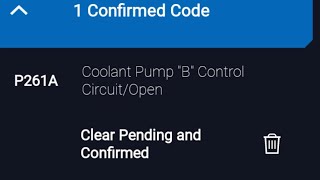
- Check Engine Light: An electrical failure in the pump will trigger a Check Engine Light or an EPC (Electronic Power Control) warning on your dash. The most common fault code is P261A, indicating an open circuit in the pump. 🎬 Watch: Diagnosing the P261A open circuit fault code.
- Whining Noise: You might hear a high-pitched buzzing or whining sound from the engine area. This noise can sometimes continue for a bit even after the engine is turned off.
- Coolant Leaks: While less common than with the main water pump, the auxiliary pump can develop cracks or seal failures, leading to pink or green fluid puddles under your car.
IMPORTANT: Check for Recalls First!
Before buying any parts, check if your car is part of Audi's safety recall for the auxiliary water pump (NHTSA ID: 18V229, Audi campaign 19N4 or 19N8). Certain 2.0L engines had pumps that could short-circuit and create a fire risk. An Audi dealer may replace this part for free. You can check your vehicle's VIN on the official Audi recall lookup website.
Choosing the Right Aftermarket Pump

When shopping for a new aftermarket auxiliary water pump, you have a few quality tiers to consider. The OEM part number for this pump is typically 5Q0965561B.
OEM-Equivalent Brands (Vemo, Pierburg): Brands like Pierburg are often the original manufacturer for Audi, meaning the part is identical to what you'd get from the dealer, just in a different box. Vemo is another brand that specializes in electronic components for German vehicles and is generally considered a reliable choice. For a critical electronic part like this, choosing an OEM-equivalent brand is a safe bet to ensure it communicates correctly with your car's computer and avoids persistent error codes.
Value-Oriented Brands (Gates): Gates is a well-respected manufacturer of cooling system components like belts, hoses, and pumps. While often more affordable, it's crucial to ensure the specific part is a direct fit and has positive reviews from other Audi owners. Sometimes, a non-OEM electronic pump may not be perfectly recognized by the vehicle's diagnostic system.
Pro Tip: When replacing the pump, it's a good time to inspect the coolant hoses connected to it for any swelling or cracks. Also, ensure you are using the correct G12++ or G13 spec coolant for your Audi to prevent corrosion and future cooling system problems.
Replacement Cost Breakdown
The total cost to replace the auxiliary water pump depends on the part you choose and local labor rates. The job is accessible from under the vehicle but can be tight to work in.
| Part/Service | Estimated Cost |
|---|---|
| New Aftermarket Pump | $93 - $303 |
| New OEM Pump | $200 - $350 |
| Shop Labor | $105 - $185 |
| Total Estimated Cost | $198 - $488 |
Cost estimates are based on industry averages and may vary by location and supplier.
Frequently Asked Questions

Can I perform this replacement myself?
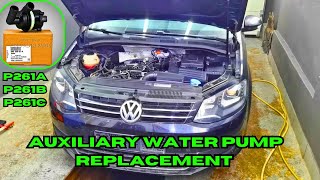
Yes, this is a feasible DIY project for someone with intermediate mechanical skill. It requires safely lifting the vehicle, removing the lower engine cover (splash shield), clamping coolant lines to prevent major fluid loss, and accessing the pump which is often near the front of the engine. 🎬 Watch this walkthrough on how to replace the auxiliary pump. Having the right tools for hose clamps and tight spaces is essential.
What's the difference between the main water pump and the auxiliary water pump?
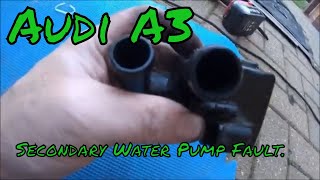
The main water pump is a large, mechanical pump driven by the engine's belt system. Its job is to circulate coolant through the entire engine block to keep it from overheating. The auxiliary pump is a smaller, electric pump with specific duties: providing cabin heat and cooling the turbo after shutdown. Your A3 has known issues with both, but they are separate parts replaced in different procedures.
Will a failed auxiliary pump make my car overheat?
Typically, a failed auxiliary pump will not cause the engine to overheat in the same way a failed main water pump would. However, its failure to cool the turbocharger after shutdown can lead to premature turbo wear or damage over time. The most immediate symptoms you'll notice are a lack of cabin heat and a warning light.
Why is there a fire risk recall on this part?
The recall was issued because moisture could get inside the pump's electronics, causing a short circuit. This short could cause the pump to overheat to the point of melting and, in some cases, starting a fire, even when the vehicle is parked and turned off.
Helpful Videos
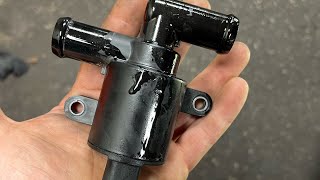
Technical Specifications
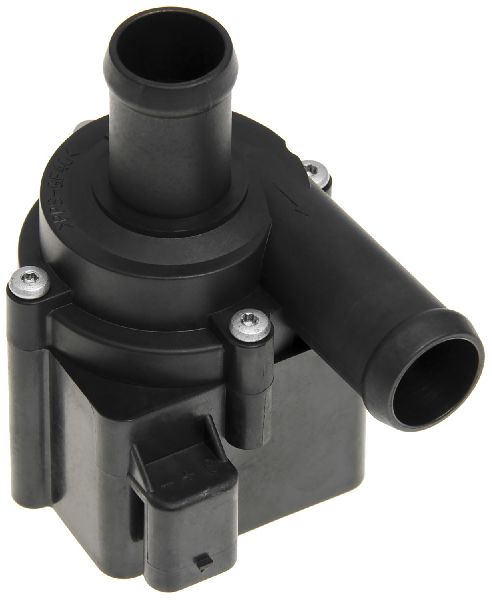
OEM Part Numbers: 5Q0965561B 5Q0121599AA
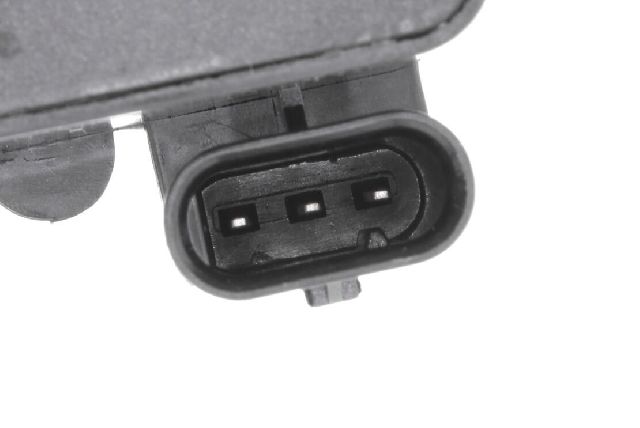
Electric pump, typically with a plastic housing and three mounting points. Operates on the vehicle's 12V system and is controlled by the engine computer.
We Have This Part in Stock

The information in this article is provided for general reference and educational purposes only. Vehicle specifications, procedures, and part compatibility can vary by production date, trim level, and region. Always consult your vehicle's factory service manual and verify part numbers before purchasing or performing repairs. Safety-critical components such as airbags, seat belts, and braking systems should be installed by a qualified professional.
- Audi A3 Quattro: