

A Guide to the 2015-2020 Audi Q3 Windshield Washer Pump
Everything you need to know when your Audi Q3's windshield washers stop working.
- The washer pump is a common failure item, but it is an easy and affordable DIY replacement.
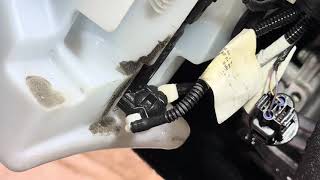
- Access the pump by removing the front passenger wheel and fender liner; be ready with a bucket to catch draining fluid.
- Before replacing the pump, check for simple fixes like a clogged filter grommet or blocked nozzles.
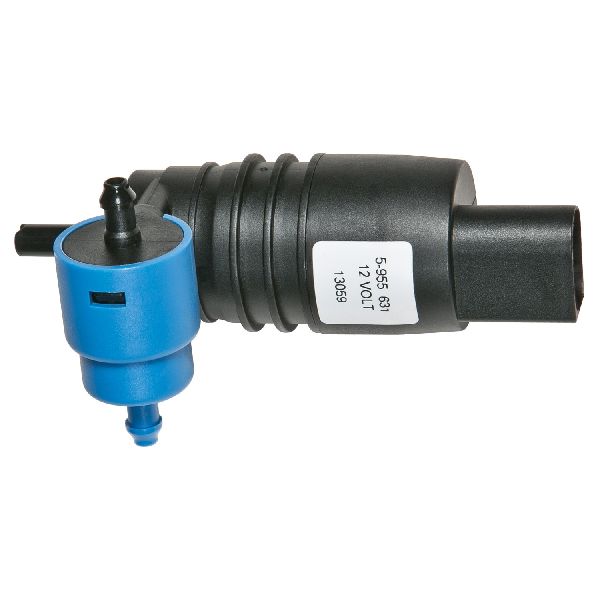
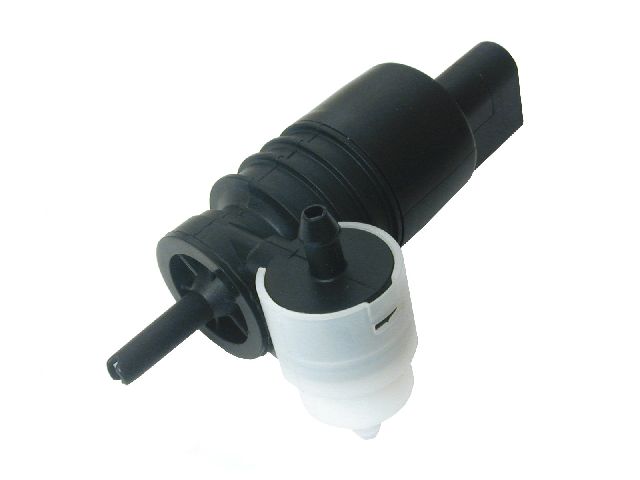
- A single dual-outlet pump serves both front and rear windows on most Q3 models.
Is Your Audi Q3 Washer Pump Failing?

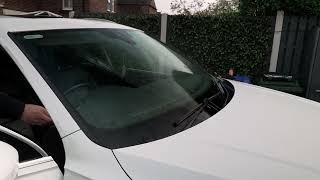
If you pull the washer stalk and nothing happens, a failed pump is a likely suspect. The first step is always the simplest: make sure your washer fluid reservoir is full. If the tank is full but the sprayers are dry, you'll need to investigate further. This guide will walk you through the common symptoms, known issues, and replacement options for your Q3's washer pump.
Common Symptoms of a Bad Washer Pump

- No Sound, No Spray: You activate the washers but hear nothing, and no fluid comes out. This often points to a dead pump motor or an electrical issue.
- Pump Whirs, But No Spray: You can hear the pump motor running, but little or no fluid reaches the windshield. This can be caused by a clogged filter grommet at the base of the pump or a leak in the system.
- Weak or Inconsistent Spray: The fluid stream is weak or sputters. This indicates the pump is losing pressure and is likely beginning to fail.
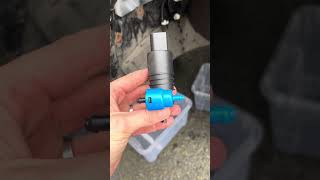
- Front or Rear Works, Not Both: Since the Q3 uses a dual-outlet pump, a failure in one direction (e.g., front works but rear doesn't) points directly to an internal pump failure. 🎬 Watch this step-by-step guide to replacing the pump yourself.
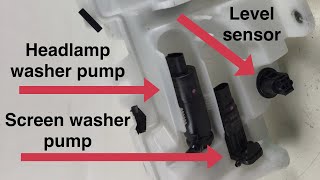
- Visible Leaks: A puddle of blue or colored washer fluid under the front passenger side of the car 🎬 See exactly where the pump and reservoir are located. is a clear sign of a leak from the pump, its grommet, or the reservoir.
Known Issue: Check for Leaking Washer Hoses (TSB 92-22-28)

Audi issued a Technical Service Bulletin (TSB) for some 2019-2021 models, including the Q3, concerning the corrugated washer fluid hose. This hose can develop leaks inside the vehicle's cabin, leading to wet carpets, a washer fluid smell, and potential electrical problems. While this is not a pump failure, it can cause a loss of spray pressure, mimicking a failing pump. If you experience these specific symptoms, the hose should be inspected.
Choosing the Right Aftermarket Replacement Pump

When replacing the washer pump on your Q3, you don't have to buy an expensive OEM part from the dealer. Aftermarket parts offer significant savings and can be just as reliable. The available brands are generally grouped into tiers based on quality and price.
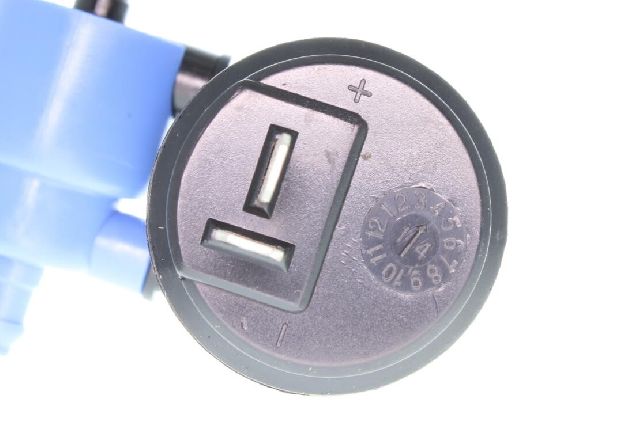
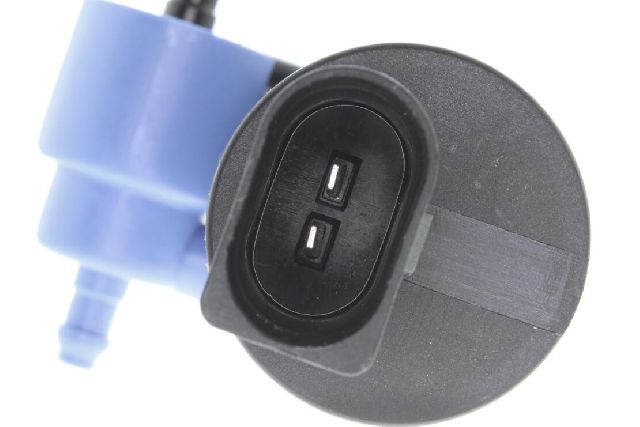
- Vemo: Often considered a higher-quality aftermarket brand specializing in parts for German vehicles. Vemo is known for good fit and quality, making it a solid choice for a reliable, long-lasting replacement that often rivals original parts.
- Trico: Trico is a very well-known brand in the world of wiper and washer systems. Their pumps are designed for easy, direct-fit installation and are made from durable materials, offering a dependable mid-range option.
- URO Parts: URO Parts is a popular choice for budget-conscious repairs. They provide affordable alternatives that meet or exceed original specifications. While some users of the brand have reported fitment issues on other cars, many find them to be an excellent value for non-critical components like a washer pump.
| Part Type | Estimated Cost |
|---|---|
| OEM (Dealer) | $49 - $105 |
| New Aftermarket | $13 - $58 |
| Shop Labor | $175 - $256 |
Frequently Asked Questions (FAQ)

How difficult is it to replace the Q3's washer pump?
It's a straightforward DIY job for most people. Access is by removing the front passenger wheel and the fender liner. The pump itself just pulls out of the reservoir. 🎬 See a mechanic demonstrate the pump and sensor replacement. The most important thing is to have a bucket ready to catch the washer fluid that will drain out. The entire process should take about an hour.
Why did my washer pump stop working after winter?
Cold weather can be tough on washer systems. If you used water or a non-winterized fluid, it may have frozen and expanded, cracking the pump housing. Cold can also worsen existing electrical connection issues, leading to failure.
My pump runs but nothing comes out. What else could it be?
Before replacing the pump, check for clogs. There is a small filter screen or grommet where the pump pushes into the reservoir that often gets clogged with algae or debris from using tap water or old fluid. You can try cleaning this first. Also, check the spray nozzles on the hood and rear hatch to ensure they are not blocked.
Do I need one or two pumps for my Q3?
For the 2015-2020 Audi Q3, a single dual-outlet pump typically operates both the front and rear washers. If your Q3 has headlight washers, it may have a second, separate high-pressure pump for that system.
Helpful Videos
Technical Specifications
OEM Part Numbers: 1K6955651
The 2015-2020 Audi Q3 typically uses a 12V, dual-outlet electric pump for the front and rear windshield washer systems.
We Have This Part in Stock

The information in this article is provided for general reference and educational purposes only. Vehicle specifications, procedures, and part compatibility can vary by production date, trim level, and region. Always consult your vehicle's factory service manual and verify part numbers before purchasing or performing repairs. Safety-critical components such as airbags, seat belts, and braking systems should be installed by a qualified professional.
- Audi Q3: