

A Guide to Replacing Disc Brake Pads on Your 2015-2020 Kia K900
Restore your K900's quiet, confident stopping power by choosing the right brake pads for your needs.
- Check for the critical HECU/ABS fire risk recall on 2015-2018 models.
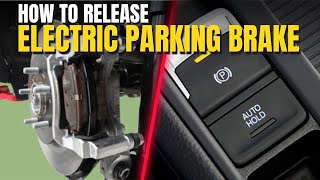
- Rear brake pad replacement requires a special scan tool to put the Electronic Parking Brake (EPB) in service mode.
- Aftermarket ceramic pads from brands like Bosch, Brembo, or EBC are excellent choices for balancing quiet operation and performance.
- Expect to pay between $150 and $300 per axle for a professional brake pad replacement.
Symptoms of Worn Brake Pads
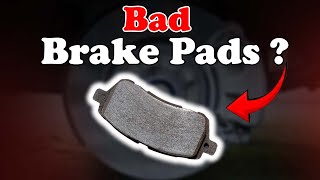
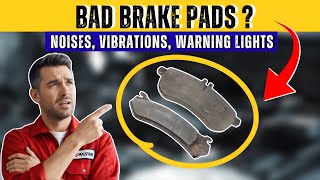
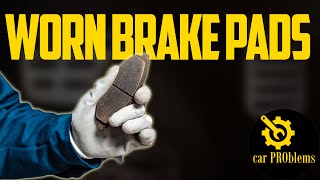
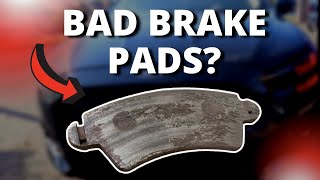
Your Kia K900 will give you several warning signs when the brake pads are nearing the end of their life. Ignoring these can lead to more expensive repairs, like needing to replace the brake rotors. Common signs include a high-pitched squealing or screeching noise when you apply the brakes, which comes from a small metal tab called a wear indicator. If you hear a deep grinding sound, it means the pads are completely worn away and metal is grinding against metal, which can damage the rotors. You might also notice vibrations in the steering wheel or brake pedal, or that your car takes longer to stop than it used to.
🎬 Watch: A visual guide to identifying worn brake pad symptoms.Important Recalls and Known Issues
HECU/ABS Fire Risk Recall: Kia issued major safety recalls for 2015-2018 K900 models related to the Hydraulic Electronic Control Unit (HECU) and Anti-Lock Brake System (ABS) module. This unit can leak brake fluid internally, potentially causing an electrical short and an engine compartment fire, even when the car is parked. Kia advises owners of affected vehicles to park outside and away from structures until the free recall repair is performed by a dealer. You can check if your vehicle is affected by entering your VIN on the NHTSA website. This is not a brake pad failure, but it is a critical safety issue for the braking system.
Electronic Parking Brake (EPB) Module: Some owners of 2015 models have reported failures of the electronic parking brake module, where the brake becomes stuck on. This can be an expensive, labor-intensive repair. This is important to know, as the rear brake pads cannot be replaced without first putting the EPB into a special service mode using a compatible diagnostic scan tool.
Caliper Inspection TSB: Kia issued Technical Service Bulletin (TSB) #PS675 for a potential brake caliper leak, which was related to excess assembly oil and not a defective part.
Choosing the Right Aftermarket Brake Pads
Original Equipment (OEM) brake pads from Kia are designed specifically for your K900 and offer a balance of performance, noise level, and longevity. However, aftermarket brands provide a wider range of options that can offer better value, lower dust, or higher performance depending on your priorities.
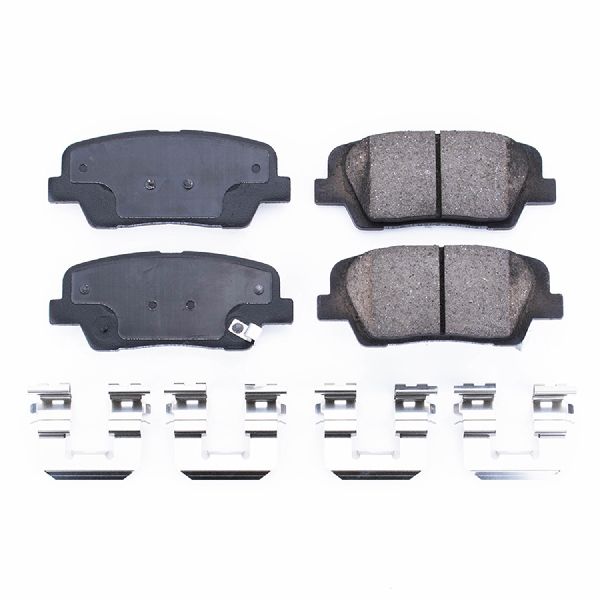
- Daily Driver / OEM-Equivalent Pads: These are the most popular choice and aim to match or exceed the performance of the original pads. They offer quiet operation and good all-around stopping power. Brands like Bosch, Centric, Raybestos, and Wagner offer quality ceramic or semi-metallic pads in this category. Ceramic pads are a good choice for reducing brake dust and providing long life.
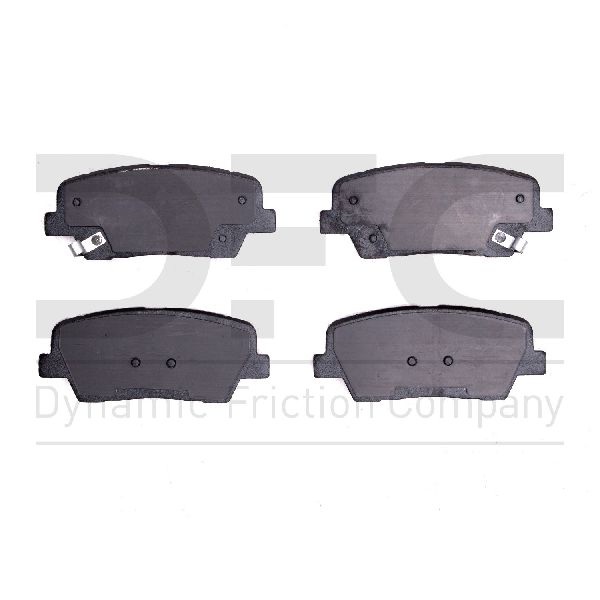
- Economy Pads: For those on a tighter budget, brands like Dynamic Friction or store brands such as Duralast can be a cost-effective solution. While they meet safety standards, they may not last as long or be as quiet as more premium options.
- Performance / Premium Pads: If you desire shorter stopping distances and improved fade resistance, especially for a heavy car like the K900, premium brands are a good investment. EBC Brakes offers its Redstuff ceramic pads for low-dust performance and Yellowstuff pads for a more aggressive "fast street" feel. Brembo and Hawk Performance are other well-regarded brands that provide high-quality options for this vehicle.
A Note on Fitment
Some Kia owners have reported that certain aftermarket brake pads can be a very tight fit in the caliper bracket, sometimes requiring minor grinding to fit properly. To avoid this, it's helpful to have your car's specific OEM part number when shopping or to buy from brands known for precise fitment.
Cost to Replace Kia K900 Brake Pads
The cost can vary based on the parts you choose and local labor rates. The prices below are estimates for one axle (either front or rear).
| Part/Service | Estimated Cost |
|---|---|
| New Aftermarket Brake Pad Set | $31 - $171 |
| New OEM Kia Brake Pad Set | $78 - $101 |
| Shop Labor (per axle) | $98 - $143 |
| Total Professional Replacement (Aftermarket, per axle) | $150 - $300+ |
Frequently Asked Questions (FAQ)
Can I replace the brake pads on my K900 myself?
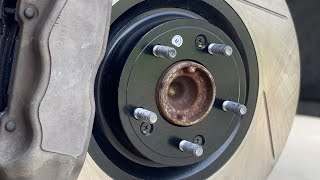
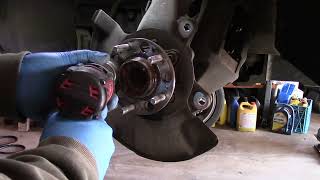
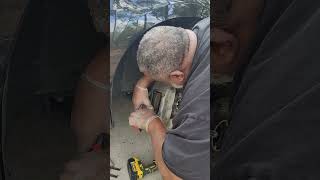
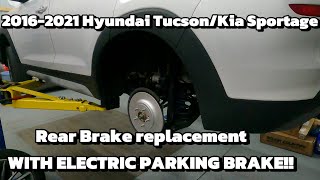
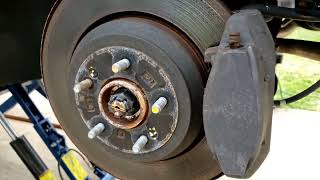
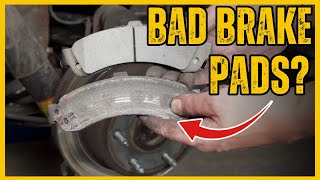
Replacing the front pads is a moderately difficult job for a DIYer with the right tools. 🎬 See this step-by-step walkthrough for replacing front pads and rotors. However, the rear pads are more complex because of the Electronic Parking Brake (EPB). You MUST use a compatible automotive scan tool to put the EPB into service mode before you can compress the rear caliper pistons. Failure to do so can damage the expensive caliper. If you do not have this tool, the rear brake service should be left to a professional mechanic.
🎬 Watch: How to service rear brakes with an electronic parking brake.How often should K900 brake pads be replaced?
Brake pad life depends heavily on your driving habits. A typical range is between 30,000 and 70,000 miles. If you do a lot of city driving with frequent stops, they will wear out faster than if you primarily drive on the highway.
Should I replace the rotors at the same time as the pads?
Not always, but it is highly recommended. If your rotors are warped (causing pulsation), have deep grooves, or are worn below the minimum thickness specification, they must be replaced for safety and performance. Installing new pads on worn rotors can cause noise and reduce the life of the new pads.
What's the difference between ceramic and semi-metallic pads?
Ceramic pads are known for being very quiet, producing less brake dust, and offering a long service life, making them a great choice for a luxury car like the K900. Semi-metallic pads often provide better performance in a wider range of temperatures but can be noisier and produce more dust.
Helpful Videos


Technical Specifications
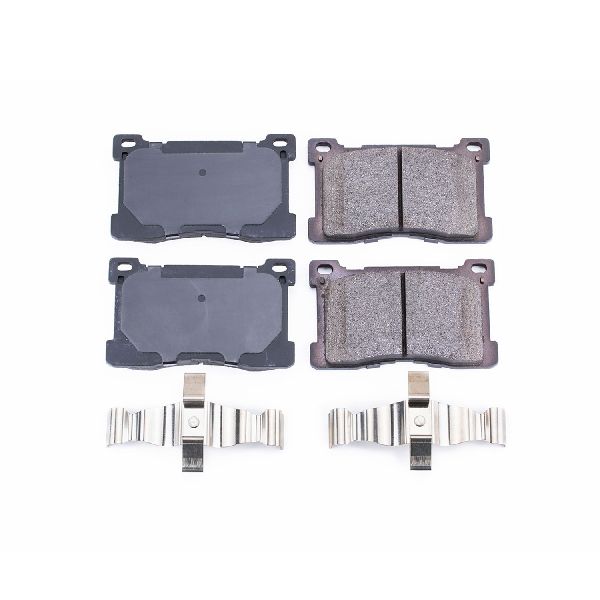
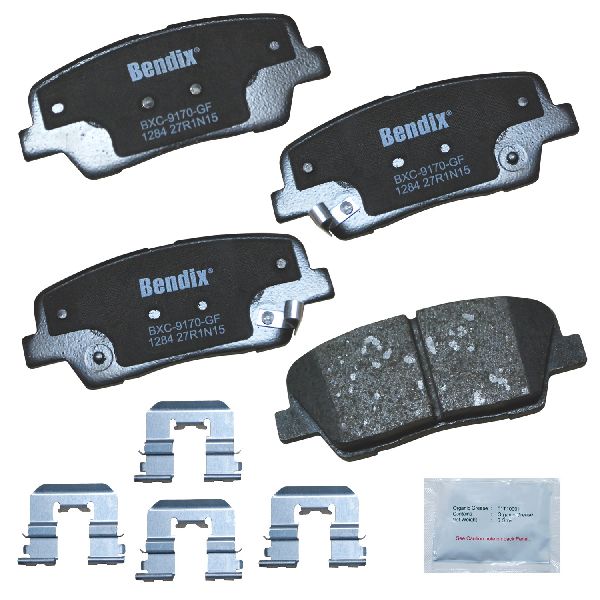
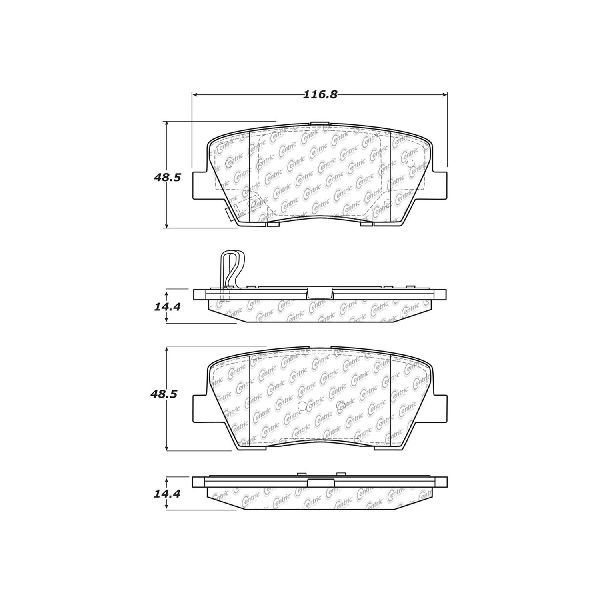
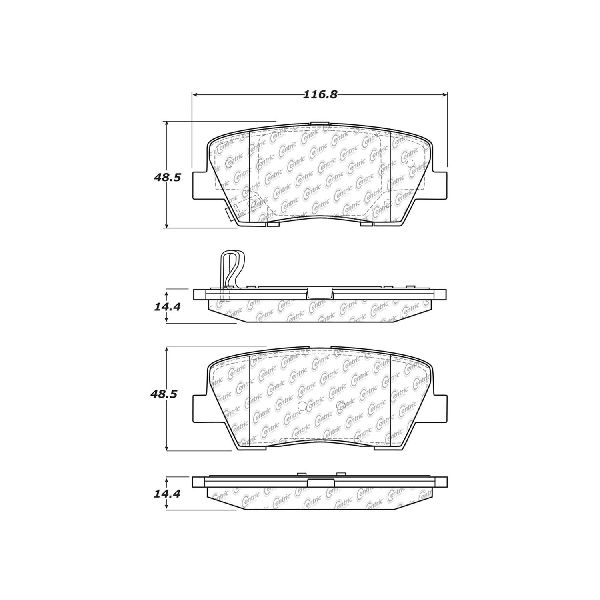
OEM Part Numbers: 58101-3TA80 (Front, 2015-2017 5.0L) 58101-3TA50 (Front, 2015-2017 3.8L) 58101-J6A20 (Front, 2019-2020) 58302-3MA30 (Rear, 2015-2017 3.8L) 58302-J6A00 (Rear, 2019-2020)
The 2015-2020 Kia K900 uses a four-wheel disc brake system. The rear brakes incorporate an Electronic Parking Brake (EPB) that requires a diagnostic tool for service. Pad material is typically ceramic for OEM and most aftermarket replacements.
We Have This Part in Stock

The information in this article is provided for general reference and educational purposes only. Vehicle specifications, procedures, and part compatibility can vary by production date, trim level, and region. Always consult your vehicle's factory service manual and verify part numbers before purchasing or performing repairs. Safety-critical components such as airbags, seat belts, and braking systems should be installed by a qualified professional.
- Kia K900: