

Chrysler Voyager Windshield Washer Pump Replacement Guide (2020-2021)
Having trouble clearing your windshield? Here’s what you need to know about your Voyager's washer pump.
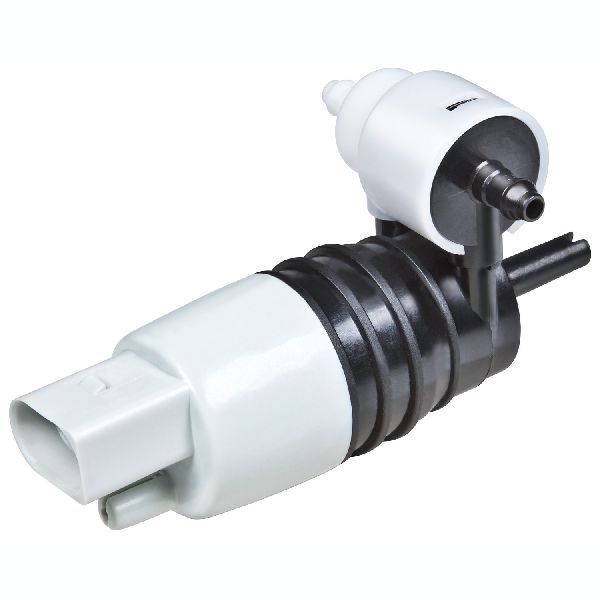
- The 2020-2021 Voyager uses a single, reversing pump for both front and rear washers.
- Symptoms include no sound, sound but no spray, or visible leaks.
- Before replacing the pump, always check for simple fixes like clogged nozzles or disconnected hoses.
- Replacement is DIY-friendly, accessible through the passenger-side wheel well, and takes under an hour.
Is Your Windshield Washer Pump Failing?
A bad windshield washer pump can be more than an annoyance; it's a safety issue. If you can't clear dirt, salt, or bugs from your glass, your visibility is compromised. For the 2020-2021 Chrysler Voyager, which shares its platform with the Chrysler Pacifica, the symptoms are usually straightforward. Here’s what to look for.
Key Failure Symptoms
- Silence is Golden, Except Here: You push the button to spray fluid, but you don't hear the familiar humming or buzzing sound from the front passenger side of the vehicle. This often points to a dead pump motor or an electrical issue.
- Pump Runs, But No Spray: You can hear the pump motor running, but little or no fluid comes out. This can mean the pump's internal impeller has failed, but it's more commonly caused by clogged nozzles, disconnected hoses under the hood, or an empty reservoir. Before replacing the pump, check that the hoses are connected and the nozzles are clear.
- Front Works, But Rear Doesn't (or Vice Versa): Since the Voyager uses a single pump that reverses direction for the front and rear, a failure to spray only one windshield can sometimes be an internal pump failure. However, it can also be an electrical signaling issue from the switch or a blockage in one specific line.
- Puddle Under the Vehicle: If you notice a puddle of washer fluid under the front passenger side, the pump's housing may have cracked or the grommet sealing it to the reservoir may have failed.
A Note on Recalls
While there are no specific recalls for the windshield washer pump on the 2020-2021 Chrysler Voyager, its predecessor platform had a recall (NHTSA 16V-813) for a similar pump on the 2016 Dodge Dart. That issue involved voltage spikes that could damage the Body Control Module (BCM). While this doesn't apply directly to the Voyager, it highlights the importance of using a quality part that meets electrical specifications to avoid unintended consequences.
Choosing Your New Aftermarket Washer Pump
When your pump fails, you have a choice between an OEM (Original Equipment Manufacturer) part from Mopar and a new aftermarket part. For a component like a washer pump, a quality aftermarket part offers a significant cost saving without a meaningful compromise in quality or longevity.
- OEM Mopar: The original part is a guaranteed fit, but comes at a premium price. The OEM part number for the dual-outlet pump is 68310928AA.
- Aftermarket (Trico and others): Brands like Trico specialize in visibility parts and produce reliable, direct-fit replacement pumps. These parts are engineered to match the original's performance and are often a simple plug-and-play installation. Given the simplicity of the part, a reputable aftermarket pump is the most cost-effective choice for most owners.
Pro Tip: When replacing the pump, it's a good idea to also replace the small rubber grommet that seals the pump to the reservoir. This part is inexpensive and ensures a leak-free repair. Many aftermarket pumps come with a new grommet included.
Cost of Replacing Your Chrysler Voyager Washer Pump
The cost to get your washers spraying again depends on whether you do it yourself or hire a shop.
| Part Type | Part Cost | Labor Cost (Shop) | Total Estimated Cost |
|---|---|---|---|
| New Aftermarket (Trico) | $25 - $58 | $90 - $135 | $115 - $193 |
| New OEM (Mopar) | $12 - $30 | $90 - $135 | $102 - $165 |
| DIY (with Aftermarket Part) | $25 - $58 | $0 | $25 - $58 |
Note: Prices are estimates based on market research and may vary by location and supplier. OEM pricing can be surprisingly low for this part, but aftermarket is widely available.
Frequently Asked Questions
How hard is it to replace the washer pump on a 2020-2021 Voyager?
It's a straightforward job for a DIYer with basic tools. The pump is located on the washer fluid reservoir, which is accessed by removing the front passenger side wheel and pulling back the plastic wheel well liner. The pump pulls straight out of the reservoir, and the electrical connector and hoses are easy to detach. The entire job typically takes less than an hour.
Do I need to drain the washer fluid before starting?
Yes. Before you pull the old pump out, it's best to drain the reservoir. You can either run the pump until it's empty (if it works at all) or be prepared with a bucket to catch the fluid when you remove the pump. Pulling the pump out of a full reservoir will result in all the fluid spilling out.
I hear the pump, but nothing sprays. Is the pump bad?
Not necessarily. This is a very common issue. First, check for the simple things: Is the reservoir out of fluid? Are the spray nozzles on the hood clogged with wax or debris? Are the fluid lines under the hood disconnected or cracked? You can use a small pin to clean the nozzles. If the lines and nozzles are clear, then the pump's internal parts may have failed, and it needs replacement.
Is the front and rear washer pump the same?
Yes, the Chrysler Voyager uses a single pump for both the front and rear windshields. It's a dual-outlet, reversing pump. It spins one way to send fluid to the front nozzles and the opposite way to send it to the rear nozzle.
Technical Specifications
OEM Part Numbers: 68310928AA
Dual-outlet, reversing 12V electric pump.
We Have This Part in Stock

The information in this article is provided for general reference and educational purposes only. Vehicle specifications, procedures, and part compatibility can vary by production date, trim level, and region. Always consult your vehicle's factory service manual and verify part numbers before purchasing or performing repairs. Safety-critical components such as airbags, seat belts, and braking systems should be installed by a qualified professional.
- Chrysler Voyager: