

Ford F53 Motorhome Chassis Starter Motor Guide (2015-2021)
Having trouble starting your RV? Your starter might be the problem; here's how to know for sure.
- A failing starter on an F53 often begins with a slow crank or intermittent starting before failing completely.
- Always check your battery and cable connections first, as these can cause symptoms similar to a bad starter.
- For RVs, a new aftermarket starter from a reputable brand like Motorcraft or MPA offers a good balance of reliability and cost.
- While there are no major recalls for the starter, related issues like bad relays or neutral safety switches can be the root cause of a no-start problem.
Is Your F53 Starter Failing? Symptoms to Watch For
Because the F53 is a motorhome chassis, a no-start situation can leave you stranded far from home. Pay attention to these warning signs. Problems often start small and get worse. A failing starter can sometimes be confused with a weak battery, so it's important to check your battery and cable connections first.
- Slow Engine Crank: When you turn the key, the engine turns over very slowly. This is often the first sign that the starter motor is wearing out and losing its power.
- Clicking Sound: You hear a single, loud click or a series of rapid clicks when trying to start the engine, but nothing else happens. The single click often means the starter's solenoid is engaging, but the motor itself isn't turning. Rapid clicking often points to a weak battery that doesn't have enough power for the starter.
- Grinding Noise: A harsh grinding sound during startup means the starter gear is likely failing to engage properly with the engine's flywheel, or the teeth are worn. Continuing to try and start it can cause more damage.
- Intermittent Starting: The RV starts fine one day but fails to start the next. This can be caused by worn internal components or bad electrical connections in the starter.
- No Sound at All: You turn the key and get complete silence. This could mean a complete starter failure, or a problem in the electrical circuit like a blown fuse or bad relay.
Pro Tip: The Hammer Tap Trick
If you're in a bind, you can sometimes get a failing starter to work one more time by tapping it firmly (not smashing it) with a hammer or wrench while a helper turns the key. This can temporarily realign worn internal brushes. This is not a permanent fix, but it might get you to a service station.
Choosing the Right Aftermarket Starter
When replacing the starter on your F53, you have several options. Since you're shopping for an aftermarket part, it's important to understand the differences in quality and what you're paying for.
Brand Quality Tiers
1. Motorcraft (OEM & Aftermarket): Motorcraft is Ford's own parts brand. They supply the original factory starters. Choosing a new Motorcraft starter is the closest you can get to the original part your F53 was built with. They are generally considered a top-quality, reliable choice, though sometimes more expensive. Be aware that Motorcraft offers both brand new parts and remanufactured ones; new is generally preferred for longevity if the budget allows.
2. Ford Performance (High-Torque): Ford Performance offers high-torque, mini-starters. These are smaller, lighter, and more powerful than stock starters. While often marketed for high-compression race engines, they can be a great upgrade for the F53's large V10, especially for providing better clearance and overcoming heat-related starting issues. They are a premium, high-quality option.
3. MPA (Motorcar Parts of America): MPA is a large aftermarket manufacturer that produces new and remanufactured starters. They are a common brand found in many auto parts stores. Their new starters are built to meet or exceed original specifications and are computer-tested to ensure reliability. They represent a solid, mid-tier option that balances cost and quality, often providing a good value for the price.
Starter Cost Comparison
| Part Type | Estimated Cost | Notes |
|---|---|---|
| New Aftermarket | $133.42 - $175.13 | Your price range. Good balance of value and reliability. |
| New OEM (Motorcraft) | $200 - $350+ | Highest quality and perfect fit, but most expensive. |
| Remanufactured | $70 - $200 | A budget-friendly option. Quality can vary by rebuilder. |
| Shop Labor | $150 - $300 | Based on 1-2 hours of work. Rates vary by location. |
Known Issues, Recalls, and TSBs
Searches for the 2015-2021 Ford F53 chassis did not reveal any specific recalls or Technical Service Bulletins (TSBs) directly related to the starter motor itself. However, owners on forums report issues that can mimic a bad starter, such as a faulty starter relay, corroded battery cables, or a bad neutral safety switch. A recall (24V-725) was issued for 2024 models for an instrument cluster issue that could affect the starter interlock system, but this does not apply to the 2015-2021 model years.
Frequently Asked Questions (FAQ)
Is it hard to replace the starter on an F53 motorhome?
For a DIYer with some experience, it's a moderately difficult job. Accessing the starter on the large F53 chassis can be the main challenge. It typically involves safely raising the vehicle, disconnecting the battery, removing electrical connections, and unbolting the old starter. It usually takes 1-2 hours.
Should I buy a new or remanufactured starter?
A new starter is generally the more reliable, longer-lasting option, as all components are fresh from the factory. A remanufactured starter is a used starter that has been rebuilt with new wear-and-tear components like brushes and bearings. While more budget-friendly, its quality depends heavily on the rebuilder. For a vehicle like an RV where reliability is key, a new aftermarket starter often provides the best balance of cost and peace of mind.
Could something else be the problem if my engine won't crank?
Yes. Always check the simple things first. Make sure your battery is fully charged and the terminals are clean and tight. A bad starter relay, a faulty ignition switch, or a neutral safety switch that isn't registering that the vehicle is in Park or Neutral can also prevent the engine from cranking.
What is a starter solenoid?
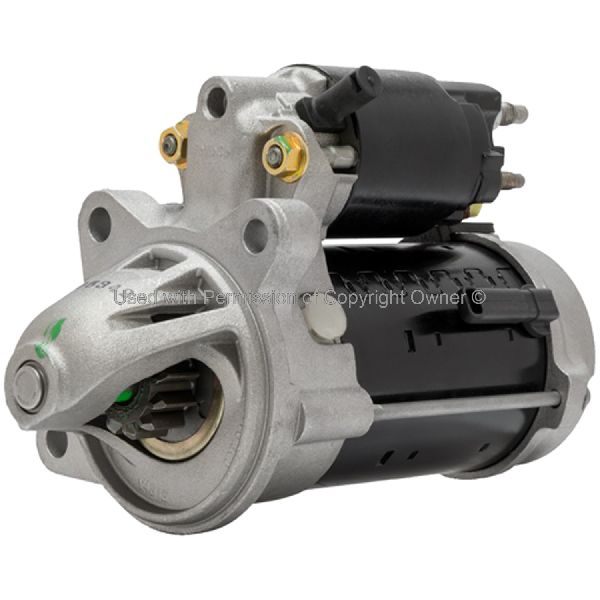
The solenoid is a small but critical part of the starter assembly. It acts as a powerful switch. When you turn the key, it receives a small electrical signal from the ignition and allows a much larger electrical current to flow from the battery to the starter motor. It also physically pushes the starter gear forward to engage with the engine's flywheel.
Technical Specifications
OEM Part Numbers: SA-1026
The Ford F53 chassis from 2015-2021 typically uses a 6.8L V10 engine, which requires a starter with sufficient torque to turn over the large displacement engine. Starters are typically 12-volt, gear-reduction units.
We Have This Part in Stock


The information in this article is provided for general reference and educational purposes only. Vehicle specifications, procedures, and part compatibility can vary by production date, trim level, and region. Always consult your vehicle's factory service manual and verify part numbers before purchasing or performing repairs. Safety-critical components such as airbags, seat belts, and braking systems should be installed by a qualified professional.
- Ford F53: