

A Guide to Replacing Disc Brake Rotors on Your 2015-2021 Mazda 6
Tired of shaky braking? This guide addresses the common rotor warping issue and helps you choose the right replacement.
- The 2015-2021 Mazda 6 is known for premature front rotor warping, causing vibration when braking.
- Due to issues with OEM parts, upgrading to a quality aftermarket brand like Powerstop, Centric, or Brembo is highly recommended by other owners.
- Always replace brake pads and rotors at the same time, in pairs, to ensure safety and performance.
- Properly cleaning the wheel hub and bedding in new brakes are critical steps to prevent the return of vibration issues.
Is Your Mazda 6 Shaking When You Brake?


If you own a 2015-2021 Mazda 6, you might have felt a vibration or pulsation through the steering wheel or brake pedal when stopping. This is a widely known issue with this generation, often caused by premature warping of the front brake rotors. Many owners report this problem happening with original factory (OEM) rotors, sometimes in as few as 15,000 miles. While often called 'warping,' the issue is typically caused by uneven deposits of brake pad material on the rotor's surface from heat, leading to a juddering sensation.
Known Issues: TSBs and a Recall
Mazda has issued Technical Service Bulletins (TSBs) related to braking on these models. TSB #04-002-20-3643b addresses a groaning noise from the front brakes at low speeds, with the fix being to replace the front rotors. Another TSB, #04-002/19, provides diagnostics for brake judder and noise, noting that dragging brakes can cause the excessive heat that leads to rotor issues. Additionally, a safety recall was issued for 2014-2015 models for a parking brake issue where a sticking rear caliper could cause brakes to drag, potentially overheating and damaging the rotors.
Choosing the Right Aftermarket Rotors

Because the original rotors are known to have issues, many Mazda 6 owners choose aftermarket parts for their first replacement. Aftermarket brands often provide better durability and heat dissipation at a competitive price. Here’s a breakdown of popular choices:
Tier 1: Performance-Focused Brands
These brands are for drivers who want a noticeable upgrade in braking feel and performance, or for those who are tired of dealing with warping issues.
- Powerstop: This is the most frequently recommended brand among Mazda 6 owners. Many report that Powerstop's drilled and slotted rotor kits permanently solved their chronic warping problems. They offer a great balance of performance and value.
- Brembo: A top-tier name in braking, Brembo offers OE-equivalent and high-performance rotors. They are known for excellent quality and stopping power but typically come at a higher price point than other aftermarket options.
- EBC Brakes: Known for performance applications, EBC offers different rotor types, including slotted options that can help reduce pad deposit buildup.
Tier 2: Quality OE-Style Replacements
These brands are trusted for providing reliable, direct-fit rotors that meet or exceed original factory quality. They are an excellent choice for daily driving.
- Centric / StopTech: Centric rotors are praised as a high-value, durable option that fits perfectly. They often feature protective e-coatings to prevent rust on the non-contact surfaces.
- Raybestos: A long-standing brand in the brake industry, Raybestos offers quality replacement rotors that are a dependable choice for resolving pulsation issues.
- Advics: As an OEM supplier to many Japanese automakers, Advics produces high-quality, high-carbon rotors that are designed for OE-level performance and quiet operation.
- Wagner Brakes: Another well-respected name, Wagner provides quality rotors designed to match OE fit and function, often with corrosion-resistant coatings.
Tier 3: Economy Brands
These rotors are the most budget-friendly but may not offer the same longevity or protection against warping as higher-tier options. Given the Mazda 6's sensitivity to rotor issues, it's often worth investing in at least a Tier 2 brand.
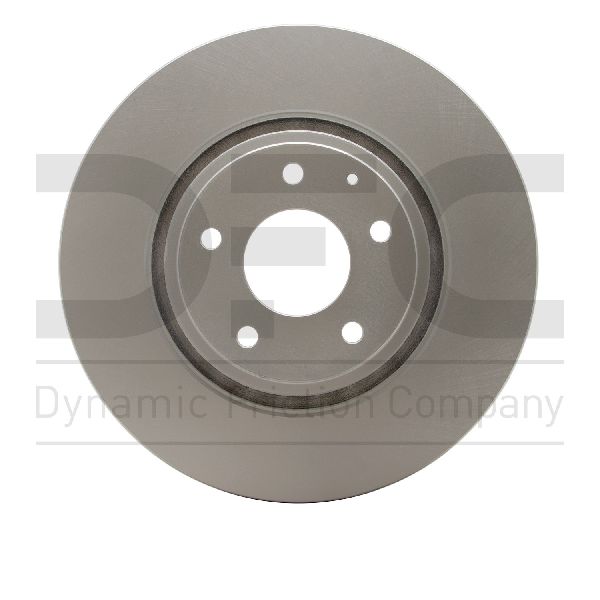
- Dynamic Friction: Offers coated and drilled/slotted options at a very competitive price point.
- Pronto: A budget-friendly choice for basic replacement needs.
Pro Tip: Always Replace Pads with Rotors
Never install old brake pads on new rotors. The worn, uneven surface of old pads can quickly damage new rotors and lead to the same vibration you were trying to fix. Replacing pads and rotors together ensures a fresh, flat mating surface for proper bed-in and smooth braking.
How Much Should a Rotor Replacement Cost?

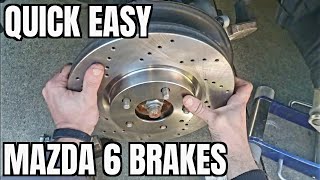
The cost will vary based on the brand you choose and whether you do the work yourself. A brake rotor replacement is a common DIY job that can save you a significant amount on labor. Videos are widely available showing the process for the Mazda 6.
| Part Type | Price Range (Per Pair) |
|---|---|
| New Aftermarket Rotors | $75 - $390 |
| New OEM Rotors | $250 - $400 |
| Shop Labor | $150 - $300 |
Frequently Asked Questions
Do I need special tools to replace my Mazda 6 rotors?
Standard mechanic's tools are usually sufficient: a jack and jack stands, a lug wrench, a socket set (14mm, 17mm, 21mm are common), a caliper piston tool or large C-clamp, and brake grease. Sometimes, a rotor may be stuck to the hub, requiring a few firm hits with a mallet to loosen.
Should I get blank, drilled, or slotted rotors?
For most daily driving, high-quality blank (smooth) rotors are perfectly fine. Drilled and slotted rotors can offer better heat and gas dissipation, which helps prevent brake fade and pad glazing during spirited driving. Given the Mazda 6's tendency to have heat-related rotor issues, a drilled and/or slotted rotor from a quality brand like Powerstop is a popular and effective upgrade.
What is "bedding in" new brakes and is it important?
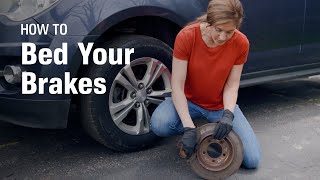
Bedding-in is the process of breaking in your new pads and rotors by performing a series of controlled stops. This transfers an even layer of friction material from the pads to the rotors. It is critical for preventing vibration and ensuring maximum braking performance. Most aftermarket brake manufacturers include specific bedding-in instructions with their products.
Can I just replace one rotor?
No, brake rotors and pads should always be replaced in pairs (both front wheels or both rear wheels) to ensure even braking performance and prevent the car from pulling to one side.
Helpful Videos
Technical Specifications
OEM Part Numbers: KD45-33-251
The vehicle uses DOT 3 brake fluid. Front caliper bracket bolts are torqued to approximately 79 ft-lbs, and caliper slide pin bolts to 25 ft-lbs. Lug nuts are 21mm.
We Have This Part in Stock
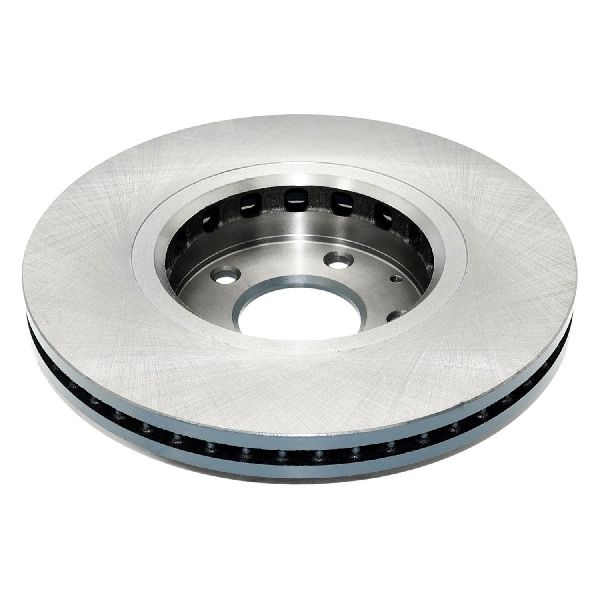
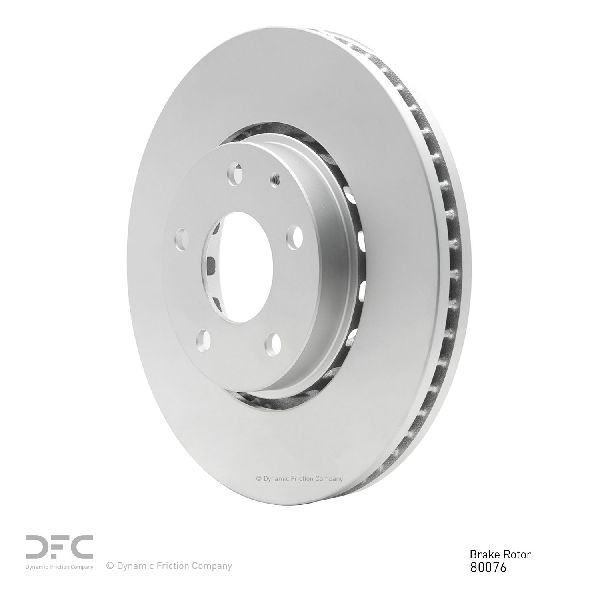
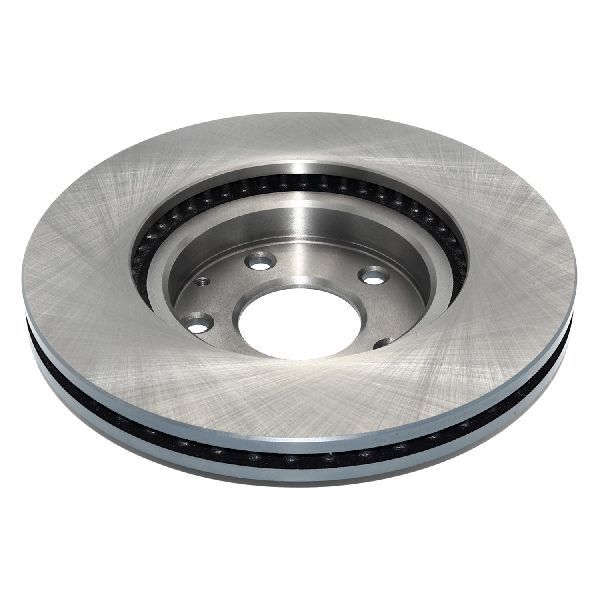
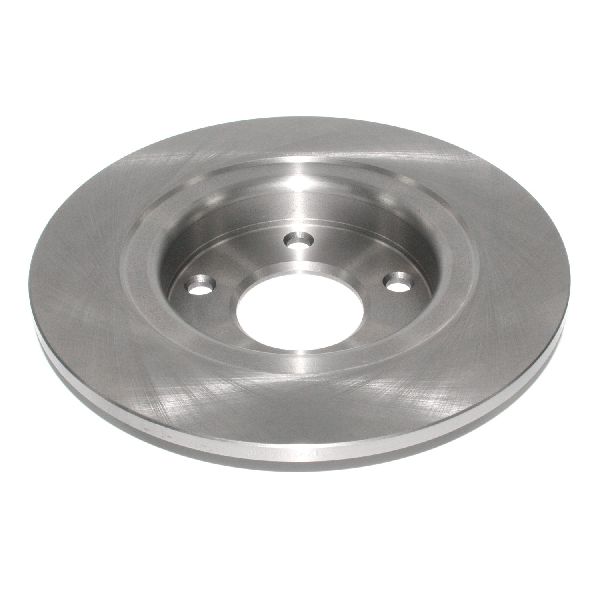

The information in this article is provided for general reference and educational purposes only. Vehicle specifications, procedures, and part compatibility can vary by production date, trim level, and region. Always consult your vehicle's factory service manual and verify part numbers before purchasing or performing repairs. Safety-critical components such as airbags, seat belts, and braking systems should be installed by a qualified professional.
- Mazda 6:
- 🎬 Helpful Videos
- 🛍️ Shop This Part
- Is Your Mazda 6 Shaking When You Brake?
- Known Issues: TSBs and a Recall
- Choosing the Right Aftermarket Rotors
- Tier 1: Performance-Focused Brands
- Tier 2: Quality OE-Style Replacements
- Tier 3: Economy Brands
- Pro Tip: Always Replace Pads with Rotors
- How Much Should a Rotor Replacement Cost?
- Frequently Asked Questions
- 🎟️ Get 5% Off