

A Guide to the Engine Valve Cover Gasket Set for the 2015-2021 Mazda 6
If you smell burning oil or see leaks, your Mazda 6 may need a new valve cover gasket.
- A burning oil smell is the most common symptom of a failing valve cover gasket on a Mazda 6.
- This is a common wear item, with failures often occurring after 100,000 miles.
- The repair is simple enough for a DIYer and relatively inexpensive to have done by a professional, typically costing under $210.
- When replacing, it is critical to apply RTV sealant to the corners where the timing cover meets the head to ensure a proper seal.
Is Your Mazda 6 Leaking Oil?
A common issue for Mazda 6 models as they age is a leaking valve cover gasket. This part is made of rubber and sits in a very hot environment. Over many years and miles, the rubber gets hard and shrinks, allowing oil to seep out. While not a catastrophic failure, it's a repair you shouldn't ignore.
Top Symptoms of a Failing Valve Cover Gasket
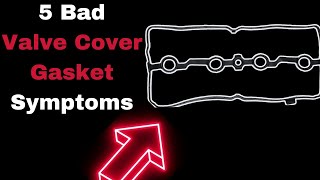
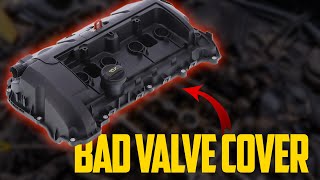
🎬 Watch: 5 telltale signs of a bad valve cover gasket.- Burning Oil Smell: This is often the first sign owners notice. Oil leaks from the valve cover and drips onto the hot exhaust manifold, creating a distinct burning smell.
- Visible Oil Leaks: You may see oil residue and grime buildup on the side of the engine, particularly around the valve cover. In some cases, you might see small drips on the ground.
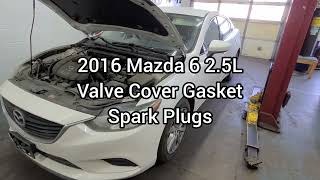
- Oil in Spark Plug Wells: When you or a mechanic pulls the ignition coils to change the spark plugs, finding oil in the wells is a clear sign the tube seals, which are part of the gasket set, have failed. This can lead to engine misfires.
- Low Engine Oil: A persistent leak will cause your engine oil level to drop over time, potentially triggering the low oil light on your dashboard.
Known Issues and Technical Service Bulletins (TSBs)
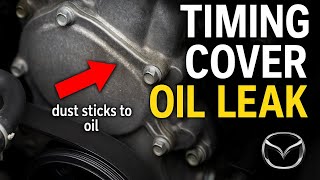
While there are no specific recalls for the valve cover gasket on the 2015-2021 Mazda 6, Mazda has issued TSBs for related oil leaks. TSB 01-006-23 (superseding 01-018/18) addresses oil seepage where the engine front cover meets the cylinder head, which can look like a valve cover leak. 🎬 See how to identify and fix common Mazda engine oil leaks. Forum discussions show that valve cover gasket leaks are not uncommon for this generation, often appearing between 100,000 and 140,000 miles. Another TSB for some 2021 models with the 2.5T engine addresses internal oil consumption from valve stem seals, which is a different issue but also results in low oil levels.
Choosing the Right Aftermarket Gasket
When it's time to replace the gasket, you have a choice between OEM (Original Equipment Manufacturer) from a Mazda dealer and aftermarket parts. For a simple part like a gasket, the quality difference can be significant.
- OEM Mazda Gasket: Many experienced mechanics and owners prefer to use the genuine Mazda gasket (Part No. PE01-10-235). They report that the fit, thickness, and material quality are often superior, leading to a more reliable, long-lasting seal.
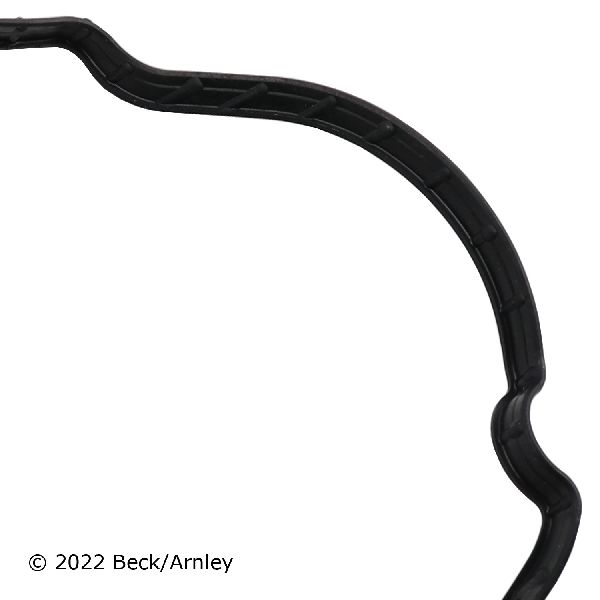
- Premium Aftermarket (e.g., Beck Arnley): High-quality aftermarket brands like Beck Arnley are designed to meet or exceed OEM specifications. They are a reliable alternative to the dealer part and can offer significant cost savings. These kits typically provide all the necessary components, including the main gasket and spark plug tube seals, for a complete job.
Pro Tip: Regardless of the brand you choose, the job requires a small amount of RTV silicone sealant at the corners where the timing cover meets the cylinder head. This is critical for preventing leaks at these joints. Also, some owners on forums suggest replacing the oil pressure sensor gasket at the same time, as it requires removing the valve cover anyway.
Cost to Replace a Mazda 6 Valve Cover Gasket
The cost for this repair is relatively low. The job is straightforward for a mechanic, and the parts are not expensive. Below are typical cost ranges.
| Part/Service | Estimated Cost |
|---|---|
| New Aftermarket Gasket Set | $27 - $33 |
| New OEM Gasket Set | $40 - $70 |
| Shop Labor | $100 - $150 |
| Total Professional Repair | $144 - $203 |
Frequently Asked Questions
Can I replace the valve cover gasket myself?
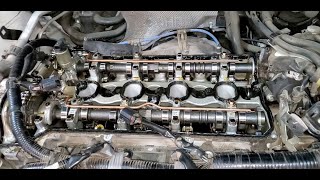
Yes, this is a very feasible DIY job for someone with basic tools and a bit of mechanical experience. The process involves removing the engine cover, ignition coils, and some hoses and brackets to access the 15 bolts holding the valve cover. The most important steps are carefully cleaning the mating surfaces on the cylinder head and applying RTV sealant in the correct spots. The job takes a professional about one hour, so a DIYer should plan for 1.5 to 2.5 hours.
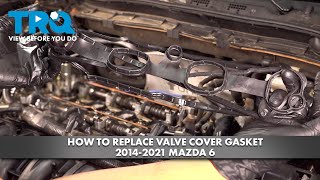
🎬 Follow this DIY walkthrough to replace the gasket yourself.Is it safe to drive with a leaking valve cover gasket?
You can drive with a minor leak, but you should get it fixed soon. If left unrepaired, the leaking oil can damage other rubber parts like belts and hoses. A significant leak can lower your oil level, risking engine damage, and oil dripping on the hot exhaust is a potential fire hazard.
Why did my valve cover gasket fail?
Valve cover gaskets fail due to age and heat. The rubber material is constantly exposed to high engine temperatures, which causes it to harden, become brittle, and lose its sealing ability over thousands of miles. This is a normal wear-and-tear item on most vehicles.
Should I use a stop-leak additive?
No. Mechanics strongly advise against using oil stop-leak products. These additives can swell and soften other seals in the engine, potentially causing more significant problems that are much more expensive to fix. The only correct repair is to replace the failed gasket.
Helpful Videos
Technical Specifications
OEM Part Numbers: PE01-10-235 PE7W-10-235
Molded rubber gasket set including main valve cover gasket and four spark plug tube seals.
We Have This Part in Stock

The information in this article is provided for general reference and educational purposes only. Vehicle specifications, procedures, and part compatibility can vary by production date, trim level, and region. Always consult your vehicle's factory service manual and verify part numbers before purchasing or performing repairs. Safety-critical components such as airbags, seat belts, and braking systems should be installed by a qualified professional.
- Mazda 6: