

A Guide to Spark Plugs for the 2015-2021 Nissan Rogue
Keep your Rogue's engine running smoothly by understanding when and how to replace your spark plugs.
- Symptoms of bad spark plugs include engine misfires, rough idling, poor acceleration, and decreased fuel economy.
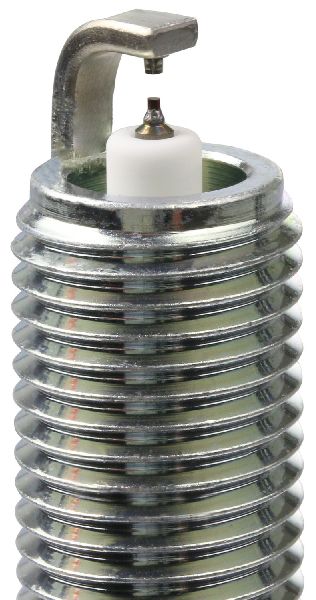
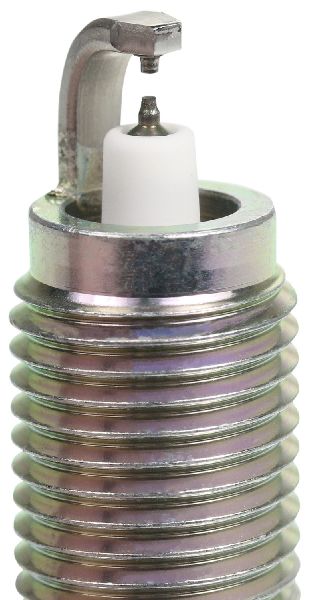
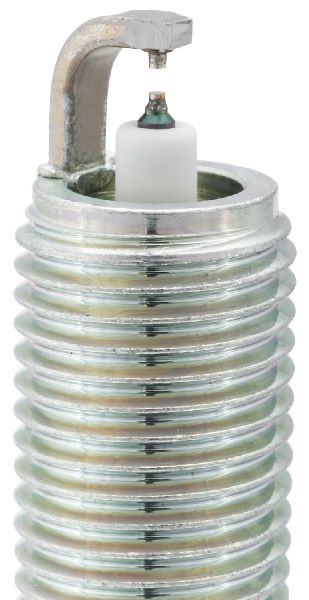
- For the 2015-2021 Rogue, high-quality Iridium spark plugs from brands like NGK or Denso are the recommended OEM equivalent.
- Replacement is generally recommended between 60,000 and 100,000 miles, but check your owner's manual for the specific interval.
- Replacing spark plugs is a feasible DIY task for this vehicle with the correct tools, primarily a 14mm spark plug socket.
Symptoms of Failing Spark Plugs

When your spark plugs start to wear out, your Rogue will give you several warning signs. Ignoring them can lead to more significant engine problems and reduced fuel efficiency. Common symptoms include:
- Engine Misfires: The engine may sputter or hesitate, especially during acceleration. This can feel like a stumble or loss of power. A flashing check engine light often accompanies severe misfires.
- Rough Idling: You might notice excessive shaking or vibration when the vehicle is stopped but the engine is running. This is because one or more cylinders are not firing correctly.
- Reduced Acceleration: The car may feel sluggish or slow to respond when you press the gas pedal. Worn plugs can't ignite the fuel mixture effectively, leading to a loss of power.
- Poor Fuel Economy: If you find yourself filling up the gas tank more often, failing spark plugs could be the cause. Inefficient combustion means you're using more fuel to do the same amount of work.
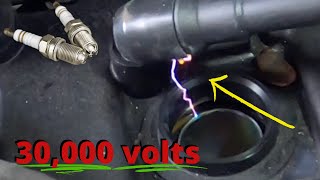
- Difficulty Starting: A weak spark can make it harder for the engine to start, especially in cold weather. You may have to crank the engine longer than usual.
Common Failure Symptoms & Codes
| Symptom | Description | Severity | Related Codes |
|---|---|---|---|
| Engine Misfire | The engine hesitates, stumbles, or loses power. You may hear a popping sound from the engine. A flashing check engine light is a serious indicator. | Moderate to Serious | P0300, P0301, P0302, P0303, P0304 | 🎬 Watch this guide to diagnosing engine misfires and P0300 codes.
| Rough Idle | The vehicle shakes or vibrates noticeably when stopped with the engine on. This is caused by an imbalanced engine due to misfires. | Minor to Moderate | P0300 |
| Poor Acceleration | The vehicle feels sluggish and underpowered when you try to accelerate. This results from incomplete combustion in the cylinders. | Moderate | - |
Choosing the Right Aftermarket Spark Plug

For the 2015-2021 Nissan Rogue, the original equipment manufacturer (OEM) plugs are typically made by NGK or Denso and are of the Iridium type. When choosing an aftermarket replacement, it's important to consider the material and brand reputation.
Pro Tip: Many mechanics and Rogue owners recommend sticking with NGK or Denso Iridium plugs for the best performance and longevity, as they are often the OEM supplier. Using the OEM-specified brand can help avoid compatibility and performance issues.
Brand Tiers
- Premium (NGK, Bosch Iridium): NGK is the most frequently recommended brand for Japanese vehicles like the Nissan Rogue. Their Laser Iridium and Iridium IX plugs are known for durability and consistent performance, often lasting up to 100,000 miles. Bosch Double Iridium plugs are also a high-quality option, known for advanced engineering, though some mechanics prefer NGK for Japanese engines.
- Mid-Range (Champion Double Platinum, Bosch Platinum): Champion and Bosch offer platinum plugs that provide a good balance of performance and price. Double platinum plugs are a durable choice, especially for engines with distributor-less ignition systems, and can last around 60,000 miles.
- Economy (Champion Copper): Copper spark plugs are the most affordable but have the shortest lifespan, typically needing replacement every 20,000-30,000 miles. While they offer good conductivity, they are not recommended for the 2015-2021 Rogue, which was designed for long-life iridium plugs. Using copper plugs will require much more frequent changes.
A Note on Counterfeits: Be cautious of counterfeit spark plugs, especially when buying online. Fake plugs can cause poor performance, engine damage, and fail quickly. Purchase from reputable auto parts suppliers to ensure you are getting genuine products.
Frequently Asked Questions (FAQ)

When should I replace the spark plugs on my 2015-2021 Nissan Rogue?
Nissan's recommended service interval can vary, but a general guideline is to replace iridium spark plugs around every 60,000 to 105,000 miles. However, some sources recommend inspection or replacement as early as 30,000 miles. Always check your owner's manual for the specific interval for your vehicle.
Is it difficult to replace the spark plugs myself?
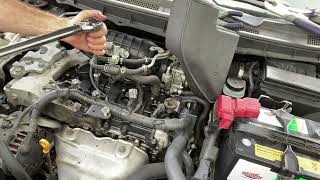
For the 2.5L engine in the 2015-2021 Rogue, replacing the spark plugs is a relatively straightforward job for a DIYer with the right tools. The ignition coils are easily accessible after removing the engine cover. You will need a 14mm spark plug socket, a socket wrench with an extension, and a torque wrench. It is crucial to not over-tighten the new plugs.
🎬 See this step-by-step DIY spark plug replacement walkthrough.What is the difference between OEM and aftermarket spark plugs for my Rogue?
OEM spark plugs are the parts your vehicle was built with, often NGK or Denso iridium plugs. High-quality aftermarket brands like NGK, Bosch, and Champion produce plugs that meet or exceed OEM specifications. The main difference is that aftermarket offers more choice in materials and price points. For this specific vehicle, sticking to a reputable aftermarket iridium plug (like NGK or Bosch) will provide performance and longevity comparable to OEM.
Are there any recalls or TSBs for my Rogue's spark plugs?
As of early 2026, there are no specific recalls or Technical Service Bulletins (TSBs) directly addressing spark plug failure for the 2015-2021 Nissan Rogue. However, some engine-related recalls for newer models (2021+) exist, but they are not directly tied to spark plug defects. It's always a good practice to check for the latest TSBs if you experience persistent issues like misfiring.
What happens if I find oil on my spark plugs?
Finding oil on the threads or tip of a spark plug when you remove it can indicate a more serious problem. This is often caused by a leaking valve cover gasket, which allows oil to seep into the spark plug tubes. If you see this, the valve cover gasket should be replaced to prevent the new plugs from becoming fouled with oil.
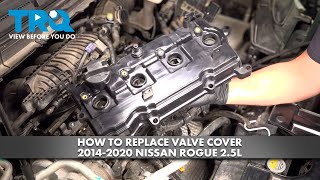
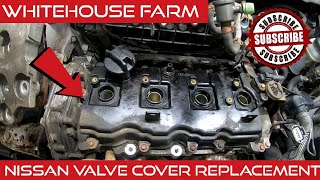
🎬 Learn how to replace a leaking valve cover gasket yourself.Helpful Videos
Technical Specifications
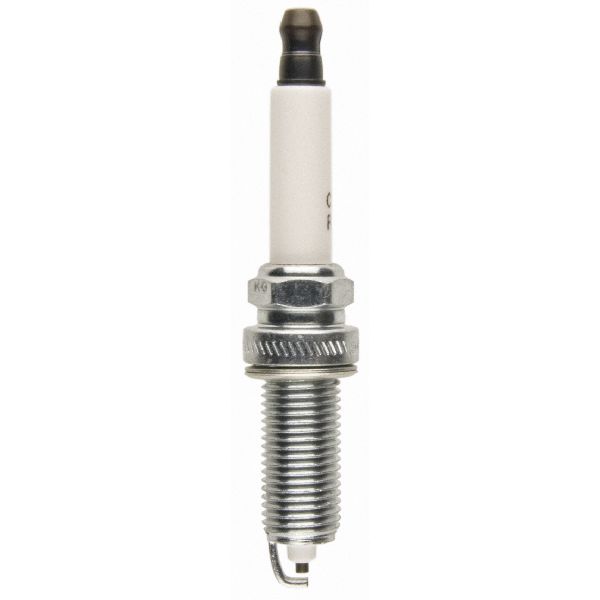
OEM Part Numbers: 22401-1VA1C DILKAR7D11H
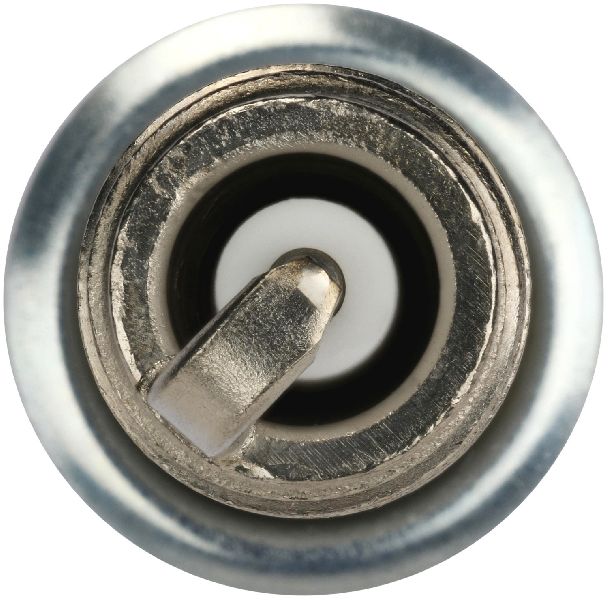
Most 2015-2021 Nissan Rogues use the 2.5L QR25DE or 2.0L MR20DD engine. The recommended spark plug is an Iridium type. A 14mm socket is typically required for replacement. The recommended gap is approximately 0.044 inches (1.1mm).
We Have This Part in Stock

The information in this article is provided for general reference and educational purposes only. Vehicle specifications, procedures, and part compatibility can vary by production date, trim level, and region. Always consult your vehicle's factory service manual and verify part numbers before purchasing or performing repairs. Safety-critical components such as airbags, seat belts, and braking systems should be installed by a qualified professional.
- Nissan Rogue: