

Chrysler Voyager and Pacifica Radiator: A Replacement Guide for 2015-2022 Models
Everything you need to know about replacing the radiator on your 2020-2022 Chrysler Voyager and its sibling, the Chrysler Pacifica.
- The radiator for the 2020-2022 Voyager is the same as the one for the 2017+ Chrysler Pacifica.
- Radiator replacement is complex, requiring the removal of the front bumper and headlights.
- Before replacing the radiator, verify the leak isn't from other common spots on the 3.6L engine, like the oil cooler housing or water pump.
- Always refill the system with the specified Mopar OAT coolant to prevent corrosion and future issues.
Is This The Right Guide For You?

This guide is for the 2020-2022 Chrysler Voyager. However, the Voyager is mechanically identical to the 2017-2022+ Chrysler Pacifica (non-hybrid). This means they share the same radiator and cooling system parts. If you own a Pacifica from these years, this information applies to your vehicle as well. The 2015-2016 model years belong to the older Chrysler Town & Country, which is a different vehicle platform and uses a different radiator.
Common Signs of a Failing Radiator

A bad radiator can cause serious engine problems. Look out for these symptoms:
- Engine Overheating: The most obvious sign. If your temperature gauge is in the red, pull over safely and turn off the engine immediately.
- Visible Coolant Leaks: You may see puddles of pink, orange, or green fluid under the front of your van. Radiators on these vans can develop leaks from the plastic side tanks or where the tanks connect to the aluminum center.
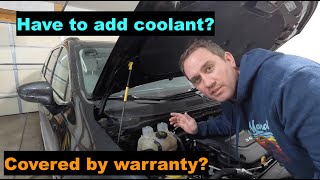
- Low Coolant Warning Light: A frequent need to top off your coolant means you have a leak somewhere in the system.
- Sweet Smell: The smell of hot coolant (ethylene glycol) is very distinct. You might notice it from the engine bay after driving.
- Steam from Engine Bay: If you see steam, it's likely coolant hitting hot engine parts and boiling off.
Is it the Radiator or Something Else?
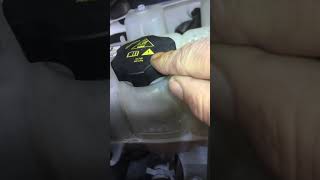
The 3.6L Pentastar engine is also known for coolant leaks from the oil filter cooler housing, which sits in the valley of the engine. This can create a coolant smell and fluid loss that can be mistaken for a radiator problem. 🎬 See how to identify a leaking oil filter housing. A mechanic can perform a cooling system pressure test to find the exact source of the leak.
🎬 Watch: How to perform a cooling system pressure test.Choosing a New Aftermarket Radiator

When your radiator fails, you have a choice between an OEM part from the dealer and an aftermarket part. For a component like a radiator, a quality aftermarket part can offer the same performance as OEM for a much lower price.
- OEM Quality: The original Mopar radiator is a guaranteed fit but comes at a premium price, often costing over $300.
- Aftermarket Quality: Aftermarket brands produce radiators that are designed to be a direct, drop-in fit. Top brands use similar materials, like plastic tanks and aluminum cores, and are rigorously tested. For this vehicle, aftermarket is a very reliable and cost-effective option.
Aftermarket Brand Tiers
Here’s a look at the available brands for your Voyager:
- Denso: Denso is a top-tier brand, often making the original parts for many car manufacturers. Choosing Denso is the closest you can get to OEM quality, and it is a trusted, reliable choice.
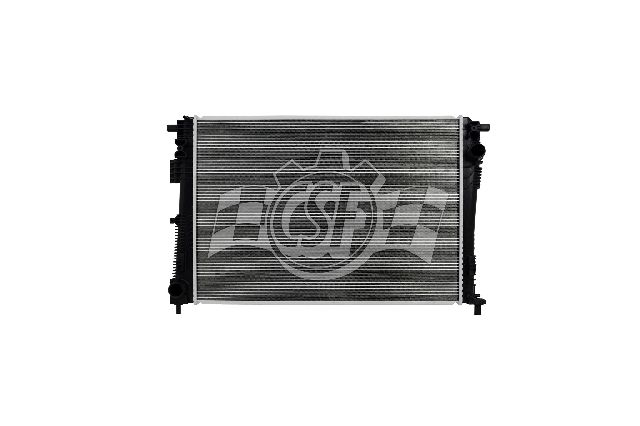
- CSF Radiator: CSF is a well-respected brand that specializes in cooling systems. They are known for making quality, OEM-style replacement radiators that fit well and perform reliably. They are a solid choice for a dependable repair.
- Global Parts: This brand typically falls into the budget-friendly category. It will get the job done at a lower cost, making it a good option if you are trying to save money on the repair.
Pro Tip: Replace the Cap and Hoses
While you're replacing the radiator, it's a good idea to also replace the radiator cap and inspect the upper and lower radiator hoses. These parts are inexpensive and can prevent future cooling system failures.
Cost of Replacing a Chrysler Voyager Radiator
| Part Type | Estimated Cost |
|---|---|
| New Aftermarket Radiator | $188 - $261 |
| New OEM (Mopar) Radiator | $300 - $480 |
| Shop Labor | $400 - $800 |
| Total Estimated Cost (Aftermarket Part + Labor) | $588 - $1061 |
Frequently Asked Questions (FAQ)

Are there any recalls on the Chrysler Voyager radiator?
No. As of early 2026, there are no specific recalls issued by the NHTSA for the radiator on the 2020-2022 Chrysler Voyager or the related Pacifica.
How difficult is it to replace the radiator myself?
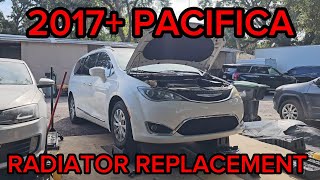
This is a challenging job for a DIY mechanic. The process requires removing the front bumper cover, headlights, and several other components to access the radiator. It is feasible if you are experienced, but a beginner should likely leave this to a professional. The job can take 3-5 hours.
🎬 Watch this step-by-step radiator replacement walkthrough.What kind of coolant should I use in my Chrysler Voyager?
It is critical to use the correct coolant specified by the manufacturer. For this vehicle, you should use Mopar Antifreeze/Coolant 10 Year/150,000 Mile Formula OAT (Organic Additive Technology). Using the wrong type of coolant can lead to corrosion and damage to the cooling system.
Can I use a stop-leak product for a small leak?
It is not recommended. While stop-leak products might offer a temporary fix, they can clog the narrow passages in your radiator and heater core, leading to bigger problems down the road. The best solution is to replace the leaking part.
Helpful Videos


Technical Specifications
OEM Part Numbers: 68595954AA 68595954AB 68292240AA
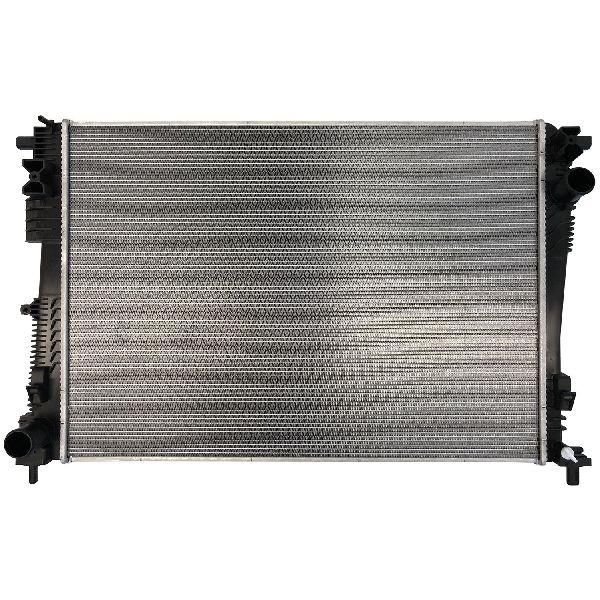
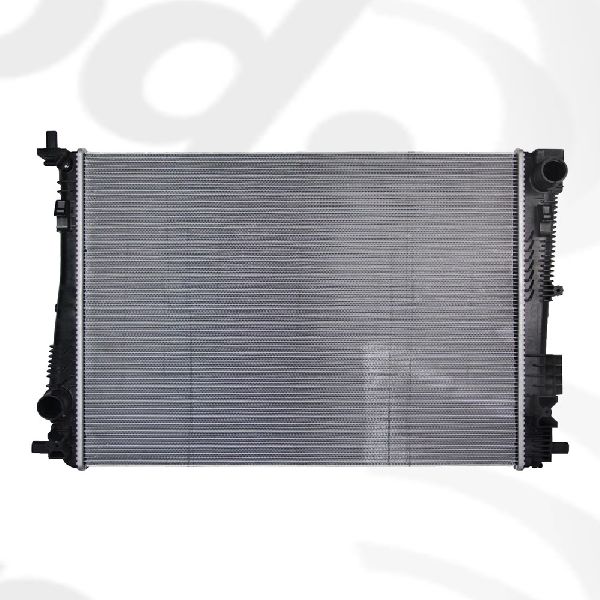
The radiator for the Chrysler Voyager is a crossflow type, typically constructed with plastic side tanks and an aluminum core. It includes an internal transmission fluid cooler.
We Have This Part in Stock

The information in this article is provided for general reference and educational purposes only. Vehicle specifications, procedures, and part compatibility can vary by production date, trim level, and region. Always consult your vehicle's factory service manual and verify part numbers before purchasing or performing repairs. Safety-critical components such as airbags, seat belts, and braking systems should be installed by a qualified professional.
- Chrysler Voyager:
- 🎬 Helpful Videos
- 🛍️ Shop This Part
- Is This The Right Guide For You?
- Common Signs of a Failing Radiator
- Is it the Radiator or Something Else?
- Choosing a New Aftermarket Radiator
- Aftermarket Brand Tiers
- Pro Tip: Replace the Cap and Hoses
- Cost of Replacing a Chrysler Voyager Radiator
- Frequently Asked Questions (FAQ)
- 🎟️ Get 5% Off