

Engine Coolant Thermostat Guide for the 2015-2022 Honda CR-V
Diagnose and choose the right replacement thermostat to fix overheating or slow warm-up issues in your CR-V.
- A slow-to-warm engine with poor heat and a P0128 code is the most common failure scenario for the 2015-2022 CR-V thermostat.
- For best results and to avoid repeat repairs, choose an OEM (Honda/Nippon) or an OEM-equivalent brand like Aisin.
- If your engine is overheating, stop driving immediately. If it's running too cool, get it repaired soon to avoid poor performance and long-term wear.
- Replacing the thermostat is a good time to also replace the engine coolant with Honda Type 2 (blue) fluid.
Is your Honda CR-V's Thermostat Failing?

A faulty thermostat is a common issue that can cause noticeable problems in your 2015-2022 Honda CR-V. Most thermostats are designed to fail in the open position, which prevents catastrophic engine overheating but creates its own set of symptoms. Recognizing the signs early can save you from poor performance and potential engine trouble down the road.
Common Symptoms of a Bad Thermostat
- Engine is Slow to Warm Up: This is the most common sign. If your CR-V takes more than 5-10 minutes of driving for the temperature gauge to reach the middle, the thermostat is likely stuck open.
- Poor Cabin Heater Performance: Especially noticeable in winter, you may get lukewarm or cool air from your vents even when the heat is on full blast. This happens because the engine coolant never gets hot enough.
- Temperature Gauge Drops While Driving: You might see the temperature gauge rise toward normal during city driving, only to fall again when you're cruising on the highway or idling at a stoplight.
- Check Engine Light with Code P0128: This code specifically means the engine's coolant temperature is below its normal regulating temperature, which almost always points to a thermostat that is stuck open.
- Engine Overheating: While less common, a thermostat can fail in the closed position. This is a critical situation where coolant cannot reach the radiator, causing the engine to overheat quickly. If you see the temperature gauge spike into the red, pull over and shut off the engine immediately to prevent severe damage.
A Note for 2017-2022 CR-V 1.5L Turbo Owners
Many owners of the 1.5L turbo engine report that the vehicle is naturally slow to warm up and produce strong cabin heat in very cold weather. While a failing thermostat will make this problem much worse, some of this behavior can be a normal characteristic of the vehicle's efficient design. If you experience these symptoms along with a P0128 code, the thermostat is the likely culprit.
Choosing the Right Aftermarket Thermostat

For a critical part like a thermostat, quality matters. Using a low-quality part can lead to incorrect engine temperatures or premature failure, forcing you to do the job all over again. Here’s a breakdown of available brands.
Tier 1: OEM & OEM-Equivalent
These are your best bet for reliability and correct function. For a Honda, this is the safest choice.
- OEM (Honda): The original part is typically made by Nippon Thermostat. It's guaranteed to fit and perform exactly as intended. While it's the most expensive option, it provides the most peace of mind.
- Aisin: Aisin is a massive, respected Japanese company that manufactures original parts for many automakers, including Honda. Their aftermarket parts are widely considered to be of OEM quality and are a trusted alternative.
Tier 2: Reputable Aftermarket
These brands are well-known in the aftermarket and offer a good balance of quality and price.
- Gates: Gates is a major player in the aftermarket, especially for cooling system components. Their thermostats are generally reliable and are often designed to match OE specifications.
- Calorstat by Vernet: A major OEM supplier for European vehicles, Calorstat also produces high-quality aftermarket thermostats that are a dependable option if available for your CR-V.
Specialty Tier: Performance
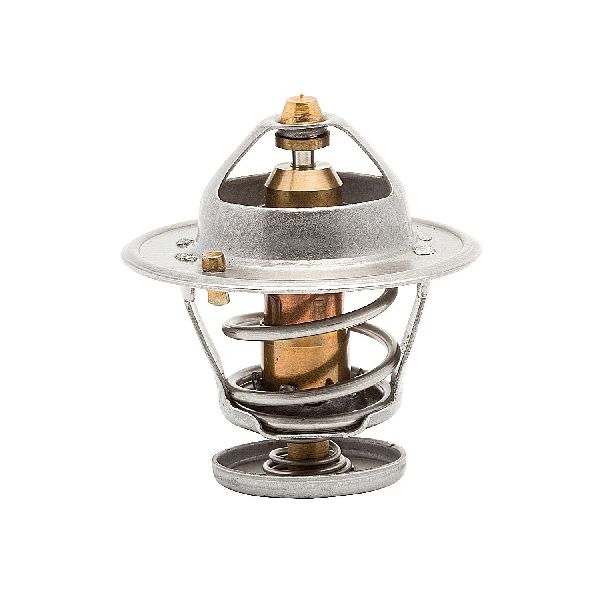
- Mishimoto: This brand focuses on high-performance cooling parts. Their thermostats may be designed to open at a lower temperature than the factory unit. This is not recommended for a stock, daily-driven CR-V, as it can negatively affect fuel economy, emissions, and engine efficiency by preventing the engine from reaching its proper operating temperature.
Cost of Replacing a Honda CR-V Thermostat

The cost can vary depending on whether you buy just the thermostat or the complete housing assembly, and whether you do the work yourself.
| Part / Service | Estimated Cost |
|---|---|
| New Aftermarket Thermostat | $15 - $88 |
| New OEM Thermostat Assembly | $250 - $300 |
| Shop Labor | $135 - $200 |
| Total Professional Replacement | $430 - $495 |
Frequently Asked Questions
Can I drive my CR-V with a bad thermostat?
If it's stuck open (engine running cool), you can drive it to get it repaired, but do so as soon as possible. Long-term driving can harm fuel economy and engine longevity. If it's stuck closed (engine overheating), you must stop driving immediately and have the vehicle towed to prevent catastrophic engine damage.
Is replacing the thermostat a DIY job?
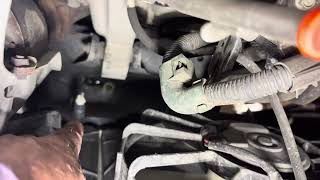
For someone with moderate mechanical experience, it is a feasible DIY project. It requires draining the coolant, removing the air intake box for access, and working in a somewhat tight space. The most difficult part can be reaching the lower bolt on the thermostat housing. You must also properly bleed the cooling system of air after the replacement.
Do I need to replace the coolant at the same time?
Yes. You have to drain a significant amount of coolant to change the thermostat, so it's the perfect time to do a coolant flush. Always refill with Honda Type 2 (blue) coolant to ensure compatibility and protect your cooling system.
My temperature gauge is fluctuating. Is it the thermostat or the sensor?
While a faulty coolant temperature sensor is possible, it's much less common. A fluctuating gauge, especially one that drops at highway speeds or idle, combined with poor heat, strongly points to a thermostat stuck open. The P0128 code is the most definitive clue that the thermostat is the problem.
Helpful Videos
Technical Specifications
OEM Part Numbers: 19301-RAF-003
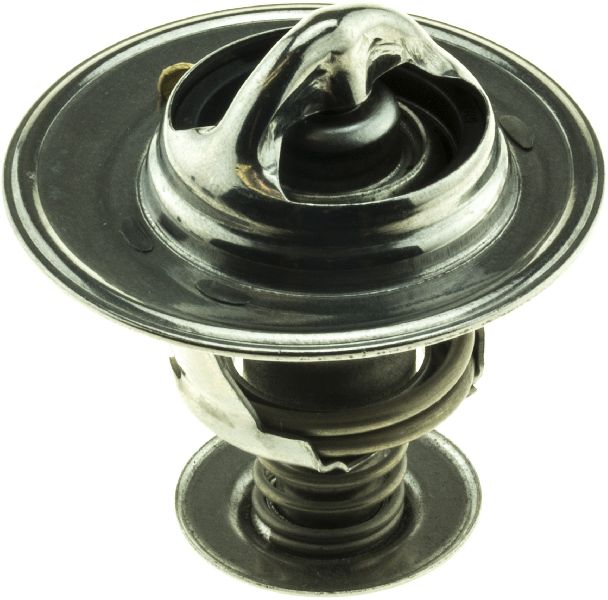
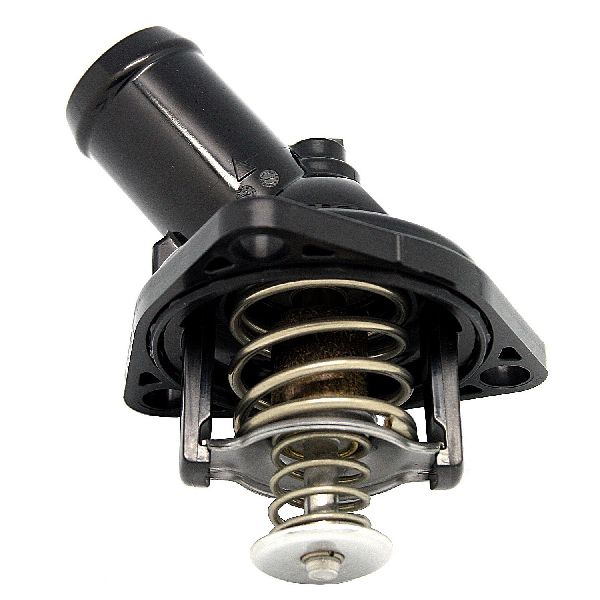
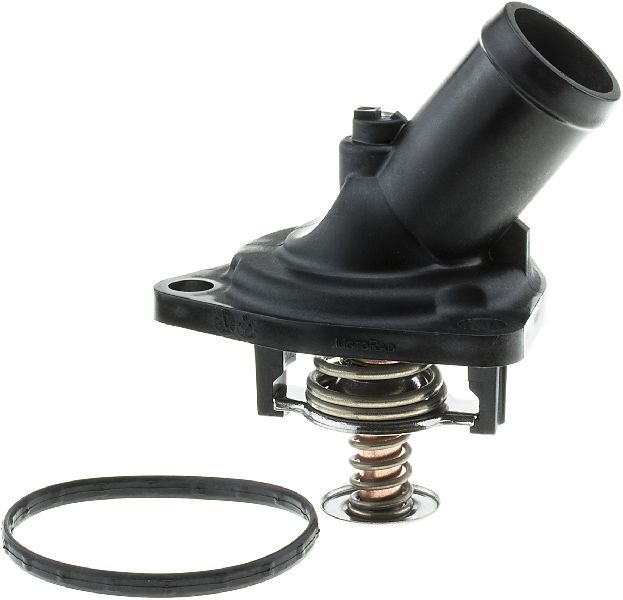
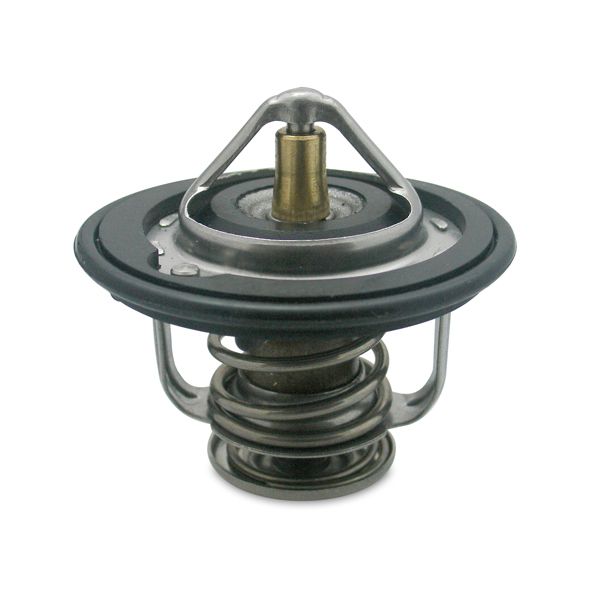
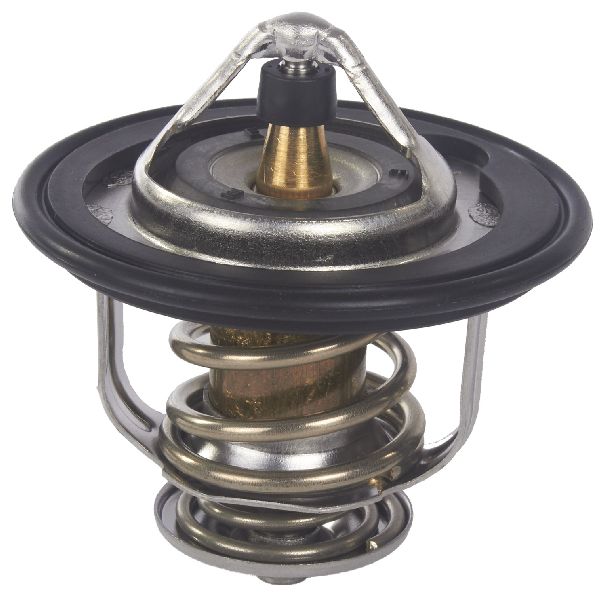
The thermostat for the Honda CR-V is typically sold with a new gasket or as a complete assembly with the housing. The jiggle valve, a small pin that allows air to bleed out, must be installed in the upward position to prevent air pockets in the cooling system.
We Have This Part in Stock

The information in this article is provided for general reference and educational purposes only. Vehicle specifications, procedures, and part compatibility can vary by production date, trim level, and region. Always consult your vehicle's factory service manual and verify part numbers before purchasing or performing repairs. Safety-critical components such as airbags, seat belts, and braking systems should be installed by a qualified professional.
- Honda CR-V:
- 🎬 Helpful Videos
- 🛍️ Shop This Part
- Is your Honda CR-V's Thermostat Failing?
- Common Symptoms of a Bad Thermostat
- A Note for 2017-2022 CR-V 1.5L Turbo Owners
- Choosing the Right Aftermarket Thermostat
- Tier 1: OEM & OEM-Equivalent
- Tier 2: Reputable Aftermarket
- Specialty Tier: Performance
- Cost of Replacing a Honda CR-V Thermostat
- Frequently Asked Questions
- 🎟️ Get 5% Off