

Honda Pilot Oxygen Sensor Guide: 2015-2022 Models
Solve check engine lights and poor MPG by understanding your Pilot's oxygen sensors.
- Your Pilot has four O2 sensors; identify whether you need an upstream (air/fuel ratio) or downstream sensor before buying.
- For best results and to avoid compatibility issues, choose OEM supplier brands like Denso or NGK (NTK).
- A check engine light for an O2 sensor can sometimes be caused by a failing fuel injector, a known issue on some Pilots.
- Replacing an O2 sensor is a manageable DIY job if you have the special slotted socket for it.
Understanding Oxygen Sensor Failure in Your Pilot

When an oxygen sensor in your 2015-2022 Honda Pilot starts to fail, it can't send accurate information to the engine computer. This can cause a variety of problems, from annoying to serious. The most common sign is the check engine light coming on. You might also notice your gas mileage getting worse, the engine idling roughly, or even stalling. Ignoring a bad oxygen sensor for too long can lead to damage to your expensive catalytic converters.
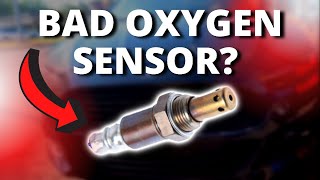
🎬 See a detailed breakdown of common bad oxygen sensor symptoms.Known Issues, Recalls, and Service Bulletins

While there are no specific recalls for oxygen sensors on the 2015-2022 Honda Pilot, some related issues are worth noting. Some model years have experienced problems with fuel injectors, which can lead to error codes (like P0420/P0430) that are often mistaken for a bad catalytic converter or O2 sensor. There was also a Technical Service Bulletin (TSB) for some 2016 Pilots regarding fuel injectors that could cause O2 sensor-related codes. 🎬 Watch this guide on diagnosing service bulletin codes and fuel injectors. Additionally, NHTSA has investigated issues with the auto start-stop system on 2016-2020 models, which could cause the engine not to restart. A separate recall for certain years concerned a fuel pump issue that could cause stalling or a check engine light. It's important to correctly diagnose the problem, as a faulty fuel injector or other issue could be the root cause, not the sensor itself.
Choosing the Right Aftermarket Oxygen Sensor

When replacing an oxygen sensor, you have a choice between OEM (Original Equipment Manufacturer) and aftermarket parts. For a critical component like an O2 sensor on a Honda, quality matters. Forum discussions with experienced Honda owners consistently recommend sticking with the brands that make the original parts for Honda to avoid performance issues.
Brand Quality Tiers for Honda Pilot
| Tier | Brands | Notes |
|---|---|---|
| Tier 1: OEM Supplier | Denso, NGK (NTK) | Denso and NGK (which sells sensors under the NTK brand) are the original equipment suppliers for Honda. Choosing these brands ensures a direct-fit, high-quality part that will work correctly with your Pilot's computer system. Many mechanics and owners will only use these two brands. |
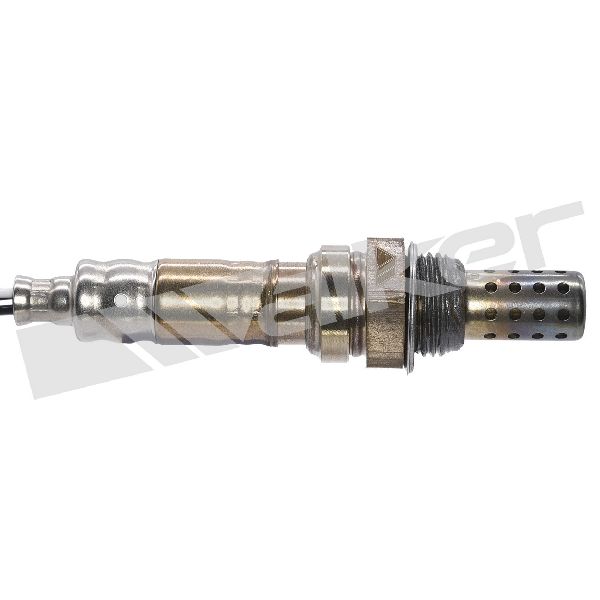
| Tier 2: Quality Aftermarket | Bosch, Delphi, Walker Products | Bosch is a major sensor manufacturer, but their reputation among Honda owners is mixed; some report issues, while others find them acceptable. Delphi and Walker are established aftermarket brands. These can be a good value, but may not have the same guaranteed compatibility as Denso or NTK. |
| Tier 3: Budget | DriveWire, other store brands/unbranded | These are the most affordable options. However, many experienced owners warn against using very cheap or unbranded sensors, as they can fail quickly or provide incorrect readings, leading to more problems. Using these is a gamble. |
Pro Tip: When buying a Denso or NGK/NTK sensor online, be cautious of counterfeits, especially on sites like Amazon or eBay. Purchase from reputable auto parts retailers. A genuine sensor will come in a branded box, not just a plastic bag.
Frequently Asked Questions

How many oxygen sensors does my 2015-2022 Honda Pilot have?
Your Honda Pilot has four oxygen sensors. There are two upstream sensors (also called air/fuel ratio sensors) located on the exhaust manifolds before the catalytic converters, and two downstream sensors located after the catalytic converters.
What's the difference between an upstream and downstream sensor?
Upstream sensors (Sensor 1) are the most critical. They constantly measure the exhaust gases leaving the engine and provide fast feedback to the computer to adjust the fuel mixture. Downstream sensors (Sensor 2) are located after the catalytic converter and primarily monitor the converter's efficiency. If you have a Sensor 1 code, it's more urgent to fix.
Can I clean my oxygen sensor instead of replacing it?
No, cleaning an oxygen sensor is not recommended. The sensing element is delicate and can be damaged by cleaning attempts. Contaminants that cause the sensor to fail are often internal. Replacement is the only reliable solution.
What tools do I need to replace an oxygen sensor?
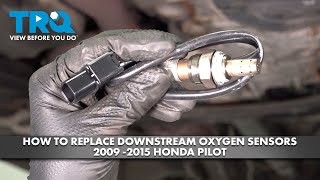
You will need a special oxygen sensor socket. This socket has a slit down the side to accommodate the sensor's wire. You will also need a ratchet and possibly an extension. Applying anti-seize compound to the threads of the new sensor before installation is also crucial to allow for easier removal in the future.
Helpful Videos
![Bad O2 Sensor Symptoms Downstream & Upstream [Oxygen Sensor Failure and Causes] How to fix & Replace](https://img.youtube.com/vi/b-xxdBlikSA/mqdefault.jpg)
Technical Specifications
OEM Part Numbers: 36531-5G0-A11 36542-5G0-A01 36532-5J6-A01 36541-5G0-A11 36532-5J2-A51
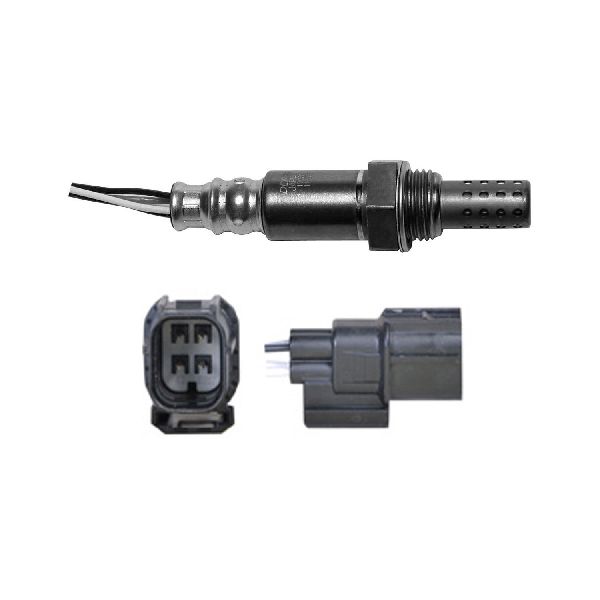
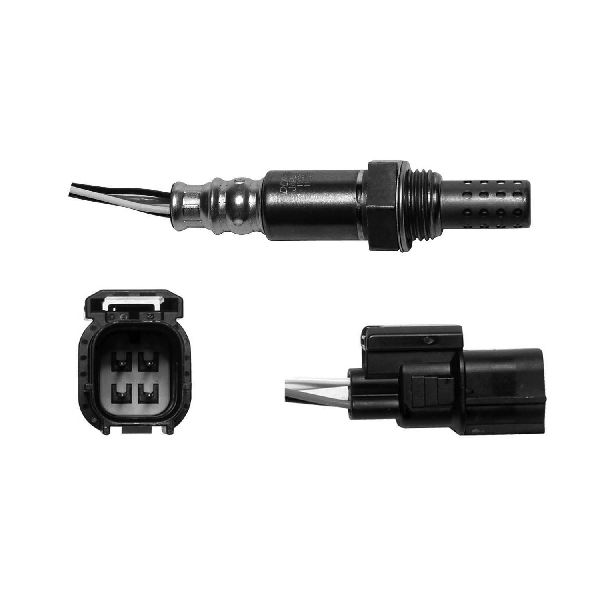
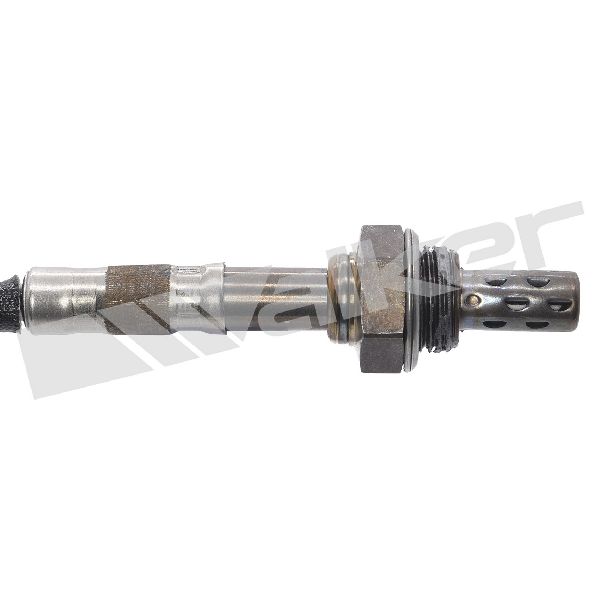
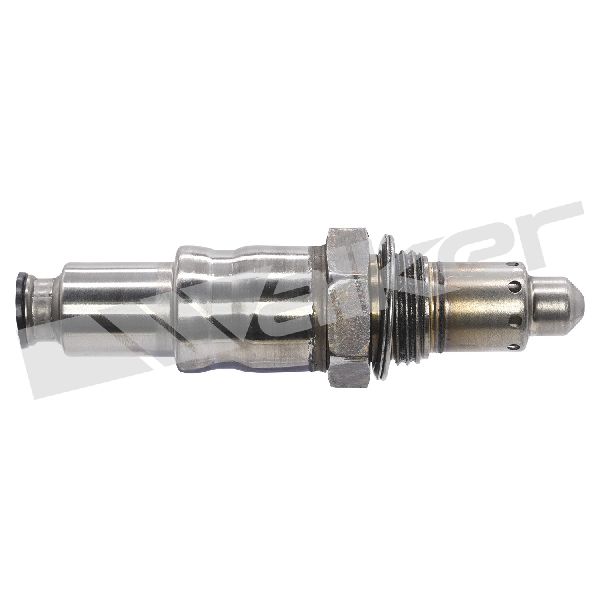
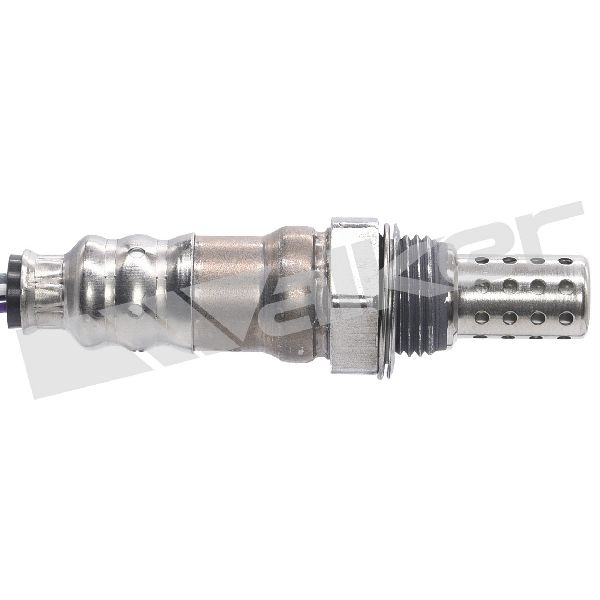
The 2015-2022 Honda Pilot uses four heated oxygen sensors. The upstream sensors are wideband air-fuel ratio sensors, while the downstream sensors are traditional switching-type sensors. All sensors use a screw-in M18 thread size.
We Have This Part in Stock

The information in this article is provided for general reference and educational purposes only. Vehicle specifications, procedures, and part compatibility can vary by production date, trim level, and region. Always consult your vehicle's factory service manual and verify part numbers before purchasing or performing repairs. Safety-critical components such as airbags, seat belts, and braking systems should be installed by a qualified professional.
- Honda Pilot: