

Ignition Coil Guide for 2015-2022 Land Rover Range Rover
Fix engine misfires and restore the smooth, powerful performance of your V6 or V8 Range Rover.
- A flashing check engine light indicates a severe misfire; stop driving immediately to prevent expensive catalytic converter damage.
- To diagnose a bad coil, use an OBD-II scanner to identify the misfiring cylinder and then swap the coil with one from another cylinder to see if the fault code follows the coil.
- For best reliability on your Range Rover, choose OEM-quality aftermarket brands like Delphi or NGK.
- Always replace the spark plug in the same cylinder when installing a new ignition coil to prevent premature failure of the new part.
Signs of a Failing Ignition Coil
A bad ignition coil in your Range Rover will cause noticeable engine problems. Because each coil is responsible for firing a specific cylinder, the symptoms often feel like a disruption in the engine's rhythm and power. Here are the most common signs of failure:
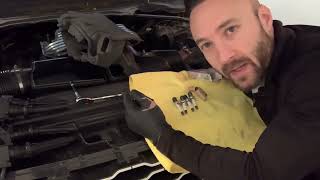
- Check Engine Light: This is often the first warning. Your vehicle's computer will detect a cylinder misfire and store a diagnostic trouble code (DTC). Codes like P0300 (random misfire) or P0301 through P0308 (specific cylinder misfire) are common. 🎬 Watch this video to understand what P0300 codes really mean.
- Rough Idle and Stalling: One or more cylinders not firing correctly will make the engine run unevenly, causing vibrations you can feel in the cabin, especially at idle. In some cases, the engine may stall completely.
- Poor Acceleration and Power Loss: With less power being produced by the engine, your Range Rover will feel sluggish and slow to accelerate.
- Reduced Fuel Economy: When a cylinder misfires, unburnt fuel can pass through the engine. The engine's computer may try to compensate, leading to increased fuel consumption.
- Gasoline Smell: A failing coil can lead to incomplete combustion, allowing raw fuel to enter the exhaust system, which you might notice as a fuel smell.
Warning: Do Not Ignore a Flashing Check Engine Light
If your check engine light is flashing, it indicates a severe misfire that is sending unburnt fuel into the exhaust. This can quickly overheat and destroy your catalytic converters, a very expensive repair. Pull over and have the vehicle towed to prevent further damage.
Choosing the Right Aftermarket Ignition Coil
When replacing an ignition coil, you have several options. While OEM parts are available, high-quality aftermarket coils can offer similar performance and reliability, often at a better price. For a sensitive engine like the one in your Range Rover, it's important to choose a reputable brand.
Brand Quality Tiers
- Tier 1: OEM-Quality Brands (Delphi, NGK): These companies are often the original equipment manufacturers for Land Rover and other major automakers. Choosing a coil from Delphi or NGK is the safest bet for ensuring compatibility, performance, and longevity that meets or exceeds factory standards.
- Tier 2: Reputable Aftermarket (Standard Ignition, Walker Products): Brands like Standard Motor Products (Standard Ignition) and Walker Products have a long history of producing reliable aftermarket engine management components. They offer a good balance of quality and value for daily driving and are a solid choice if an OEM-quality brand is not in the budget.
- Tier 3: Value-Oriented Brands (Eurospare, Spectra): These brands can be a budget-friendly option. However, owner and forum experiences suggest quality can be inconsistent. While some users have success, others report premature failures. These may be best for a temporary fix but might not offer the long-term reliability of higher-tiered brands.
Pro Tip: Replace Spark Plugs and Coils Together
It is highly recommended to replace the spark plug on the corresponding cylinder when you replace an ignition coil. A worn or fouled spark plug can put extra strain on a new coil, leading to premature failure. If your vehicle has over 60,000 miles, consider replacing all spark plugs and ignition coils at the same time for balanced performance and to avoid future labor costs.
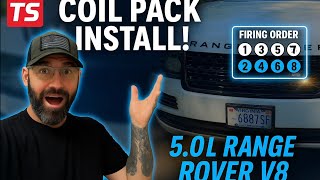
🎬 See this step-by-step guide for replacing your coils and plugs.Frequently Asked Questions (FAQ)
Should I replace all ignition coils at once?
While you only need to replace the failed coil, it's often a good preventative measure to replace them all, especially if the vehicle has high mileage. Ignition coils are subjected to the same conditions, so if one has failed, others may soon follow. Replacing them all at once can save you from future breakdowns and repeated labor costs.
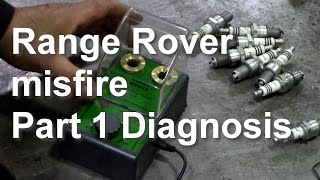
How do I find out which coil is bad? 🎬 Watch this diagnostic walkthrough to identify which cylinder is misfiring.
The easiest way is to use an OBD-II scanner. It will give you a code like "P0304," which means cylinder 4 is misfiring. You can then swap the coil from cylinder 4 with a coil from a known good cylinder (e.g., cylinder 1). Clear the codes and run the engine. If the code changes to "P0301," you've confirmed the coil is faulty. If the code remains "P0304," the problem lies elsewhere (spark plug, fuel injector, etc.).
Is it okay to mix and match ignition coil brands?
It is generally not recommended to mix different brands of ignition coils. Different brands may have slight variations in internal resistance and voltage output, which could cause subtle performance imbalances in the engine. For best results, use the same brand for all coils.
Are there any recalls for Range Rover ignition coils?
As of now, there are no widespread recalls specifically for ignition coils on the 2015-2022 Land Rover Range Rover. However, Land Rover has issued Technical Service Bulletins (TSBs) related to rough running and misfire codes, which can be caused by ignition coil issues. Always check with a dealer or the NHTSA website for the most current information.
Helpful Videos



Technical Specifications
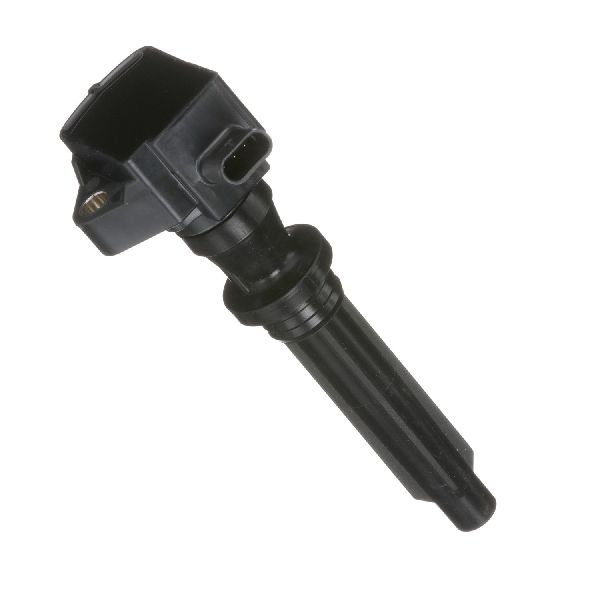
OEM Part Numbers: LR035548 AJ813731 LR010687 AJ811378
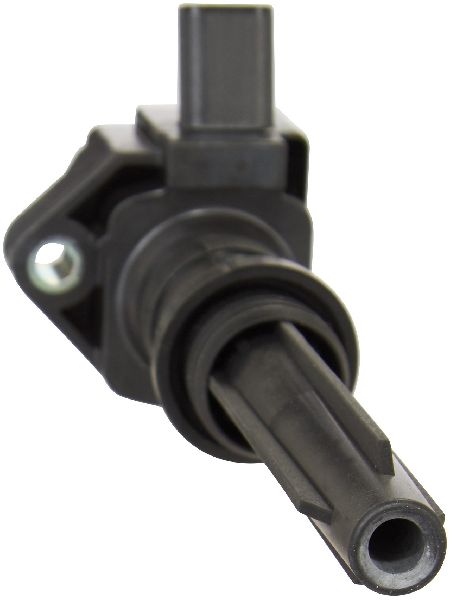
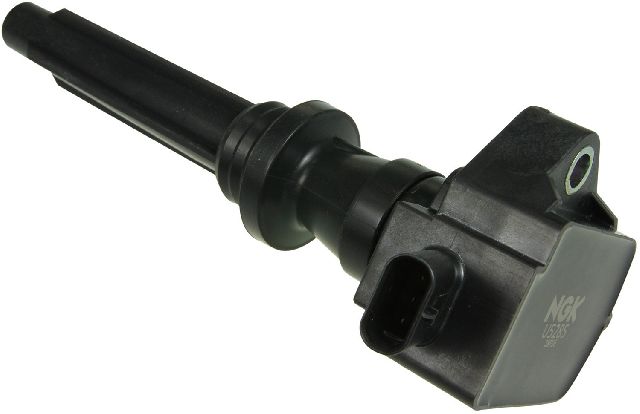
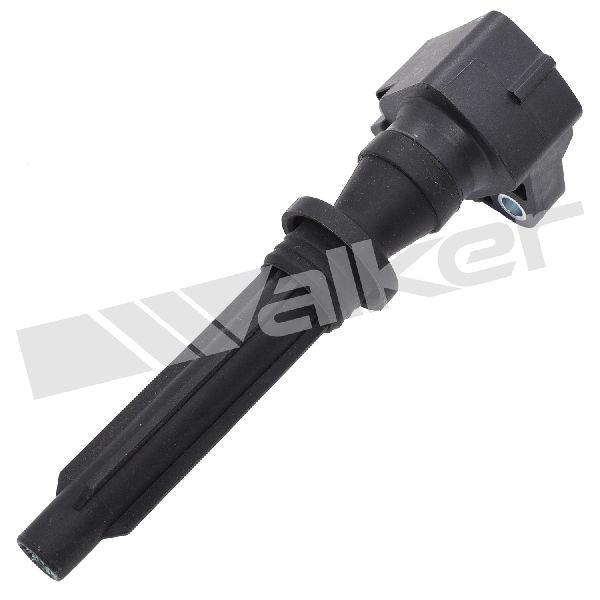
Coil-on-plug (COP) design, one required per cylinder. Compatible with both 3.0L Supercharged V6 and 5.0L Supercharged V8 engines found in the 2015-2022 Range Rover.
We Have This Part in Stock


The information in this article is provided for general reference and educational purposes only. Vehicle specifications, procedures, and part compatibility can vary by production date, trim level, and region. Always consult your vehicle's factory service manual and verify part numbers before purchasing or performing repairs. Safety-critical components such as airbags, seat belts, and braking systems should be installed by a qualified professional.
- Land Rover Range Rover: