

A Guide to Oxygen Sensors for the 2015-2022 Range Rover Sport
Address your check engine light and restore performance by choosing the correct oxygen sensor for your Land Rover.
- Bosch is the original equipment supplier, making their aftermarket parts a top choice for quality and fit.
- Your Range Rover Sport has multiple O2 sensors; confirm the exact failed sensor's location with a code scanner before buying.
- For 2014-2016 models, check for service bulletins regarding software updates, as this may be part of the solution for recurring O2 sensor codes.
- Ignoring a bad O2 sensor can lead to costly damage to your catalytic converters.
Symptoms of a Failing Oxygen Sensor


When an oxygen sensor starts to fail, your Range Rover Sport will give you clear signs. Ignoring them can lead to more expensive repairs down the road, including damage to the catalytic converters.
- Check Engine Light: This is the most common and immediate sign. A diagnostic scan is needed to confirm the code is related to an O2 sensor.
- Poor Fuel Economy: A bad sensor can cause the engine to run rich, using more fuel than necessary. You'll notice you're filling up more often.
- Rough Idle and Misfires: An incorrect air-fuel mixture can cause the engine to idle poorly, hesitate, or misfire during acceleration.
- Rotten Egg Smell: A strong sulfur smell from the exhaust is a serious symptom. It indicates that unburned fuel is overheating in the catalytic converter, a condition that can quickly destroy it.
- Failed Emissions Test: A failing O2 sensor will lead to higher emissions, causing your vehicle to fail a smog check.
Known Issue: Technical Service Bulletins (TSBs)
For early models in this generation (specifically 2014-2016), Land Rover issued technical service bulletins (like N346 and Q514) related to oxygen sensors. The issue involves the Malfunction Indicator Lamp (MIL) illuminating with O2 sensor codes, sometimes caused by 'thermal shock' when water contacts the hot sensor. The fix often involves replacing the specific sensor and/or performing a software update to the Powertrain Control Module (PCM). Before replacing any parts, it's wise to have a dealer or qualified shop check if your vehicle's software is up to date, as this alone can sometimes resolve the issue.
Choosing the Right Aftermarket Oxygen Sensor

You don't have to buy the expensive part from the Land Rover dealer. Many aftermarket brands offer excellent quality, and one of them is the actual Original Equipment Manufacturer (OEM).
- Best (OEM Supplier): Bosch or Denso. Bosch is widely reported to be the original equipment supplier for Land Rover oxygen sensors. This means a Bosch sensor from an auto parts store is often the exact same part you'd get from the dealer, just in a different box and at a lower price. Denso is another top-tier OEM supplier known for its quality and reliability. Choosing one of these brands is the safest bet for a direct, plug-and-play replacement with guaranteed performance.
- Excellent Aftermarket: NGK (NTK). NGK, which markets its sensors under the NTK brand, is a world leader in sensor technology. Many professional mechanics and enthusiasts trust NTK sensors for their durability and accurate readings, sometimes even preferring them over other aftermarket options.
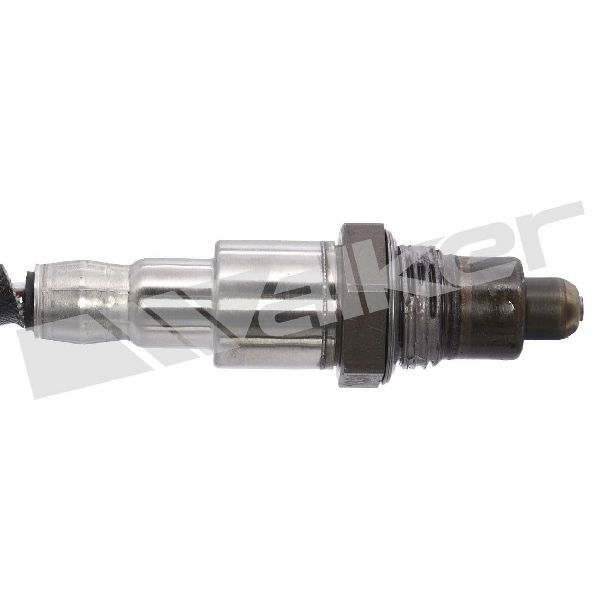
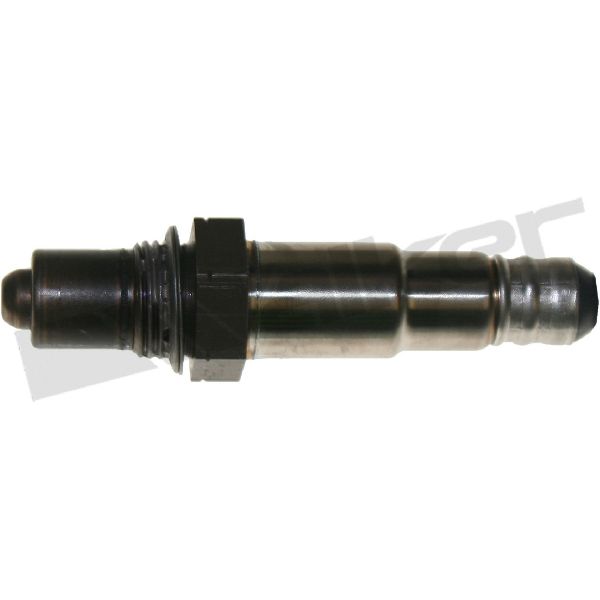
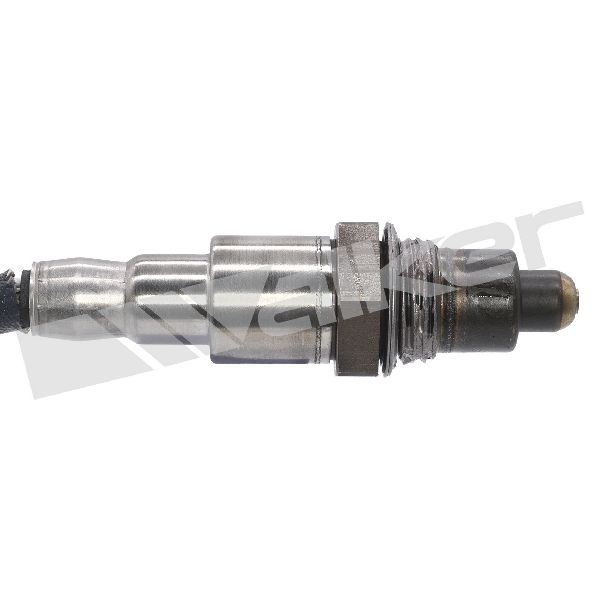
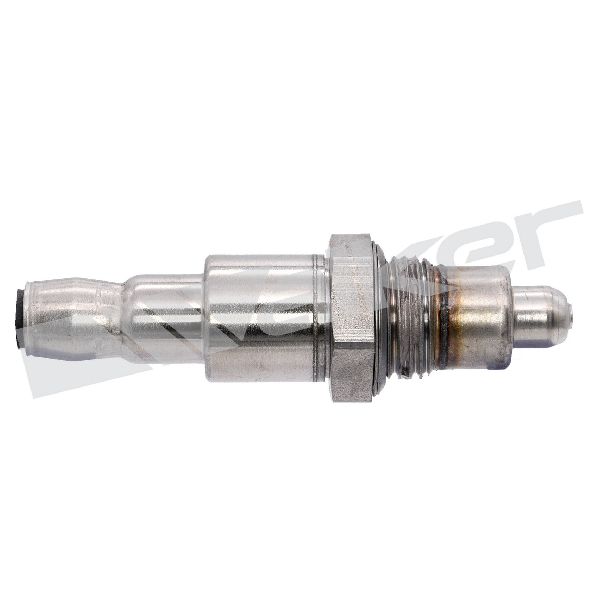
- Reputable Value: Walker Products. Walker is a well-known aftermarket exhaust and emissions parts manufacturer. While they may not be the OEM supplier, they offer a reliable and cost-effective alternative that meets or exceeds standard specifications.
Upstream vs. Downstream Sensors
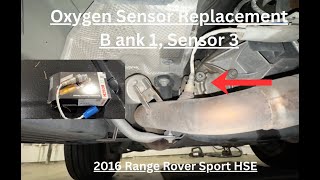
Your Range Rover Sport has multiple oxygen sensors. Upstream sensors (also called pre-catalyst or air/fuel ratio sensors) are located before the catalytic converter and are most critical for engine tuning. Downstream sensors (post-catalyst) are located after the converter and primarily monitor its efficiency. 🎬 See a step-by-step walkthrough for replacing a downstream oxygen sensor. They are not interchangeable. Always confirm the location of the failed sensor via the diagnostic trouble code before ordering a replacement.
Cost of Replacing an Oxygen Sensor on a 2015-2022 Range Rover Sport
| Part/Service | Estimated Cost |
|---|---|
| New Aftermarket Oxygen Sensor (Single) | $79 - $247 |
| New OEM Oxygen Sensor (Single) | $250 - $400+ |
| Shop Labor (per sensor) | $70 - $150 |
| Total Estimated Cost (Aftermarket Part + Labor) | $150 - $400 |
Cost estimates are approximate and can vary based on your location, the specific sensor that needs replacement, and local labor rates.
Frequently Asked Questions

How many oxygen sensors does my Range Rover Sport have?
The V6 and V8 supercharged engines used in the 2015-2022 Range Rover Sport can have up to six oxygen sensors in total. There are typically two upstream sensors, two mid-stream sensors, and two downstream sensors—one for each engine bank. It is essential to use a code scanner to identify which specific sensor has failed.
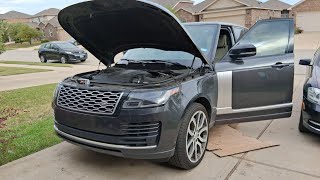
🎬 Watch a professional mechanic replace an O2 sensor on a newer model.Should I replace all the oxygen sensors at once?
It is not required, but it is often recommended. Oxygen sensors age and degrade over time. If one has failed, others are likely nearing the end of their service life. Replacing upstream sensors in pairs (both Bank 1 and Bank 2) is a good practice to ensure balanced engine performance.
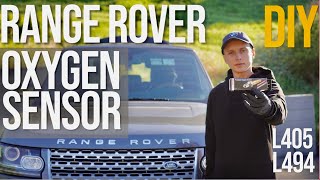
Can I replace an oxygen sensor myself? 🎬 Watch this comprehensive DIY guide for replacing sensors on your Sport.
Yes, this is a DIY-feasible job for someone with mechanical experience. However, access can be very difficult, especially for the upstream sensors which are tucked high up in the engine bay. You will need a special tool called an oxygen sensor socket (22mm) to work around the sensor's wire. For sensors that are seized in the exhaust, you may also need a torch and penetrating oil.
What's the difference between a universal sensor and a direct-fit sensor?
A direct-fit sensor (like those from Bosch, Denso, and NGK) comes with the correct length wire and factory-style electrical connector for a simple plug-and-play installation. A universal sensor requires you to cut the old connector off and splice it onto the new sensor's wires. For a high-end vehicle like a Range Rover Sport, always choose a direct-fit sensor to avoid potential wiring issues.
Helpful Videos
Technical Specifications
OEM Part Numbers: LR035750 LR098285 LR035746 LR140079 LR035747 LR035750 LR098290
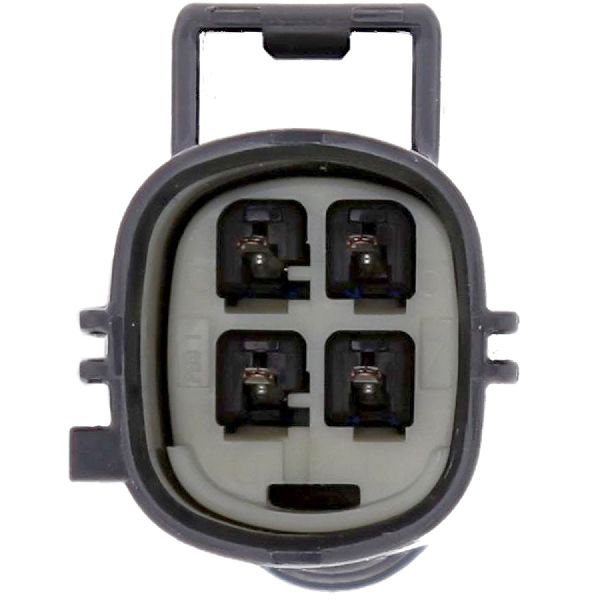
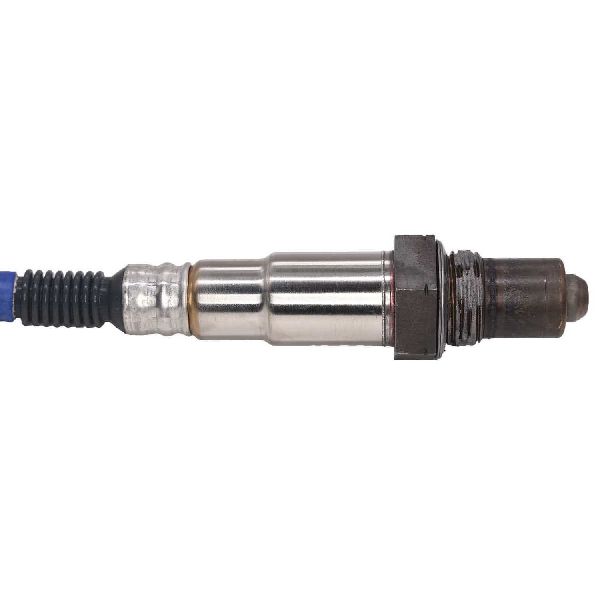
The 2015-2022 Range Rover Sport uses heated, 4-wire, direct-fit oxygen sensors. The specific sensor needed (upstream, mid-stream, or downstream) depends on the diagnostic trouble code and engine type (V6 or V8). Always purchase based on the specific position required.
We Have This Part in Stock

The information in this article is provided for general reference and educational purposes only. Vehicle specifications, procedures, and part compatibility can vary by production date, trim level, and region. Always consult your vehicle's factory service manual and verify part numbers before purchasing or performing repairs. Safety-critical components such as airbags, seat belts, and braking systems should be installed by a qualified professional.
- Land Rover Range Rover Sport:
- 🎬 Helpful Videos
- 🛍️ Shop This Part
- Symptoms of a Failing Oxygen Sensor
- Known Issue: Technical Service Bulletins (TSBs)
- Choosing the Right Aftermarket Oxygen Sensor
- Upstream vs. Downstream Sensors
- Cost of Replacing an Oxygen Sensor on a 2015-2022 Range Rover Sport
- Frequently Asked Questions
- 🎟️ Get 5% Off