

A Comprehensive Guide to Spark Plugs for the 2015-2022 Nissan Altima
Keep your Altima's engine running smoothly by understanding when and how to replace your spark plugs.
- The 2015-2022 Altima uses long-life Iridium spark plugs, with a replacement interval of about 100,000 miles.
- NGK and Denso are often the Original Equipment Manufacturer (OEM) brands, making them a top-tier aftermarket choice.
- A flashing check engine light indicates a severe misfire that requires immediate attention to prevent catalytic converter damage.
- For the 2.5L 4-cylinder engine, replacement is an easy DIY job; the 3.5L V6 is much more difficult and costly due to intake manifold removal.
Symptoms of Failing Spark Plugs

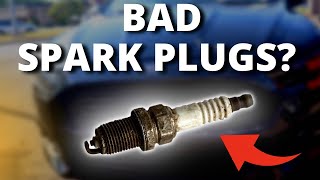
When your Altima's spark plugs start to wear out, your car will give you several warning signs. One of the first things you might notice is a decrease in fuel economy or a feeling that the car is sluggish and slow to accelerate. 🎬 Watch this video to see common symptoms of bad spark plugs. Other common symptoms include:
- Rough Idling: Your engine may shake or vibrate noticeably when the car is stopped. This is often caused by an engine misfire at idle.
- Engine Misfires: You might feel a hesitation or stumbling during acceleration. In severe cases, the check engine light will flash, indicating a misfire that could damage other components like the catalytic converter.
- Trouble Starting: Worn plugs can have difficulty creating a strong enough spark to start the engine, especially in cold weather.
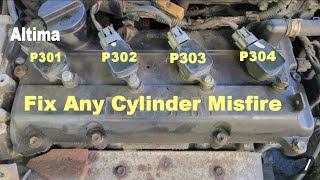
- Check Engine Light: A steady or flashing check engine light is a common indicator. The system will often store diagnostic trouble codes like P0300 (Random/Multiple Misfire) or P0301-P0304 (indicating a misfire in a specific cylinder).
Don't Ignore a Flashing Check Engine Light
A flashing check engine light signals a severe engine misfire. Unburned fuel can enter the exhaust system and overheat the catalytic converter, leading to a very expensive repair. If you see a flashing light, you should reduce your speed and have the vehicle serviced as soon as possible.
Choosing the Right Aftermarket Spark Plugs

Your 2015-2022 Altima came from the factory with long-lasting Iridium-type spark plugs. When choosing replacements, it's best to stick with this technology for optimal performance and longevity. Aftermarket brands offer several quality tiers that are excellent alternatives to more expensive OEM parts.
Brand Quality Tiers
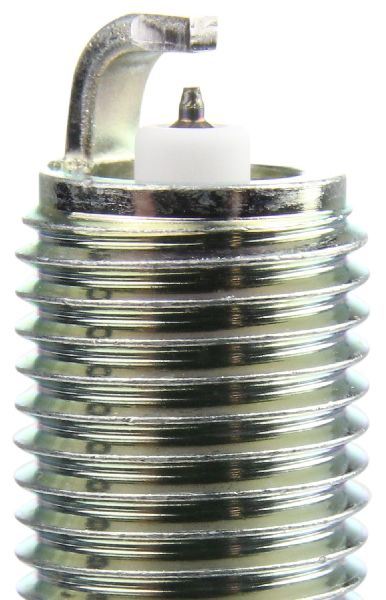
- Top Tier (OEM Equivalent): NGK and Denso are the original equipment manufacturers for many Nissan vehicles. Choosing NGK Laser Iridium or Denso Iridium Long-Life plugs is essentially the same as buying the genuine Nissan part. These offer the best fit, performance, and durability, often lasting up to 100,000 miles.
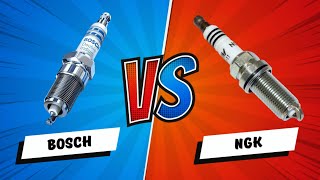
- Quality Alternative: Bosch is a well-respected German brand that produces high-quality Double Iridium spark plugs. While often associated with European cars, their plugs are an excellent choice for the Altima, providing strong performance and a long service life comparable to NGK and Denso. 🎬 Compare NGK and Bosch spark plugs to find the best fit.
- Standard/Economy: Brands like Champion and Autolite offer reliable platinum and iridium plugs at a more budget-friendly price point. While they may not have the same extended lifespan as top-tier options, they are a solid choice for regular maintenance.
Check the Gap
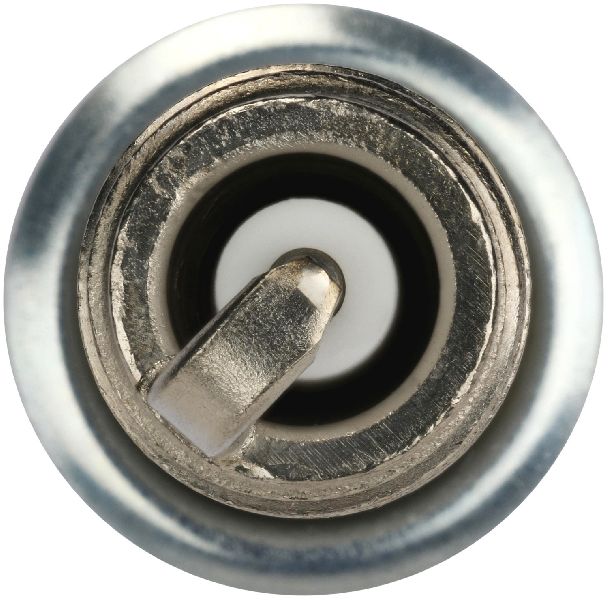
While many modern iridium plugs come pre-gapped, it's always a good practice to verify the spark plug gap with a feeler gauge before installation. An incorrect gap can lead to misfires and poor performance. The correct specification can be found in your owner's manual or a vehicle repair guide.
Cost to Replace 2015-2022 Nissan Altima Spark Plugs
| Part Type | Cost Range (Per Plug) | Notes |
|---|---|---|
| New Aftermarket (Iridium) | $8.00 - $29.64 | Price varies by brand (Champion, Bosch, NGK). |
| New OEM (Nissan-Branded) | $20.00 - $36.00 | Typically a re-branded NGK or Denso plug. |
| Shop Labor | $99 - $145 (4-Cylinder) | Labor for the V6 engine will be significantly higher due to the need to remove the intake manifold. |
Frequently Asked Questions (FAQ)

How often should I replace the spark plugs on my Altima?
For the 2015-2022 Altima with factory Iridium plugs, the recommended replacement interval is typically around every 100,000 to 105,000 miles. However, always check your owner's manual for the specific schedule for your vehicle.
Should I replace all spark plugs at the same time?
Yes. Spark plugs wear at a similar rate. Replacing them as a complete set ensures balanced engine performance and prevents you from having to do the same job again in the near future.
Is it hard to replace the spark plugs myself?
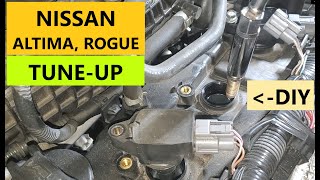
For the 4-cylinder (2.5L) engine, the job is straightforward and can be done with basic tools. 🎬 Follow this DIY guide to replace spark plugs on your Altima. The ignition coils and plugs are easily accessible on top of the engine. For the V6 (3.5L) engine, the rear three spark plugs are located under the intake manifold, making the job much more difficult and time-consuming. This is often best left to a professional mechanic.
Do I need to use anti-seize on the new spark plug threads?
Most modern spark plug manufacturers, including NGK, recommend against using anti-seize. The plugs have a special trivalent or nickel plating that prevents seizing and provides accurate torque readings. Applying anti-seize can cause you to over-torque the plugs, potentially damaging the threads in the cylinder head.
Are there any recalls for Altima spark plugs?
No, there are no specific recalls from Nissan or the NHTSA for spark plugs on the 2015-2022 Altima, as they are considered a normal wear-and-tear maintenance item.
Helpful Videos
Technical Specifications
OEM Part Numbers: 22401-3TA1B 22401-5YT1B 22401-EW61C 22401-JA01B
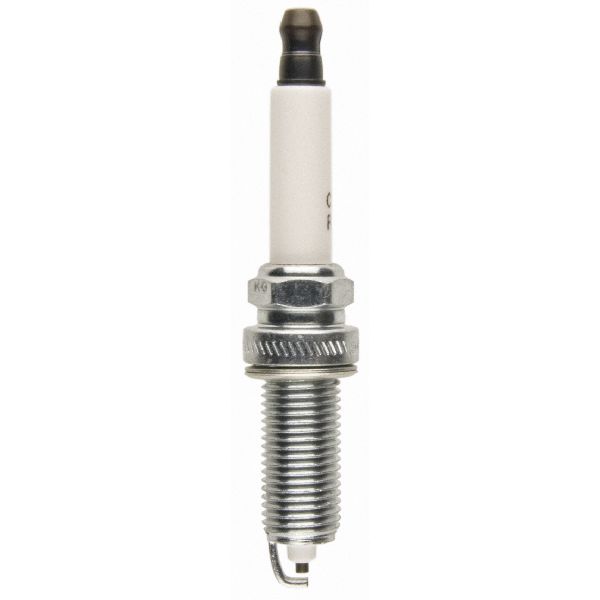
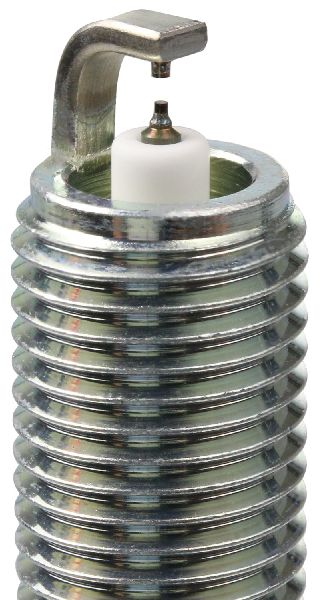
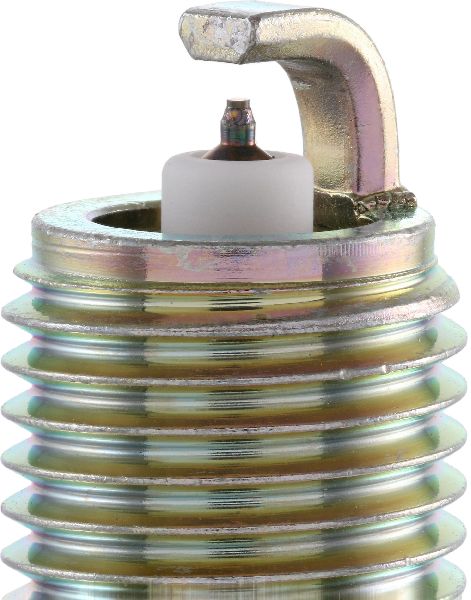
The OEM specification for both the 2.5L (QR25DE) and 3.5L (VQ35DE) engines is an Iridium-type spark plug. The 2.5L engine requires four plugs, while the 3.5L V6 requires six.
We Have This Part in Stock

The information in this article is provided for general reference and educational purposes only. Vehicle specifications, procedures, and part compatibility can vary by production date, trim level, and region. Always consult your vehicle's factory service manual and verify part numbers before purchasing or performing repairs. Safety-critical components such as airbags, seat belts, and braking systems should be installed by a qualified professional.
- Nissan Altima: